REVIEW · ZAGREB
Zagreb History Walking Tour
Book on Viator →Operated by Happy walk · Bookable on Viator
Zagreb has a way of surprising you in two hours. This walking tour stitches together Ban Jelačić Square, the funicular, and the key sights of the Old Town with an English-speaking, licensed guide who keeps the pace friendly. I especially like how you start at the city’s main meetup point, then get an easy lift up with the included railway, not a steep slog. One heads-up: it runs best in good weather, and the route is mostly on foot.
Pacing-wise, you’re looking at about 2 to 2.5 hours, with short stops built in for photos and explanation. The group is capped at 6 travelers, so it doesn’t feel like you’re being swept along by a loud bus of strangers. Also, you won’t do museum time here, so if you’re hoping for galleries, plan those separately.
In This Review
- Key highlights you’ll feel right away
- Zagreb in Two Hours: What This Walk Covers (and What It Doesn’t)
- Ban Jelačić Square First: Where You Get Your Bearings Fast
- The Funicular That Does the Climbing for You
- Gornji Grad Upper Town Stroll and the Stories You’ll Remember
- Petrini Pyli: The Old Town Entrance You’ll Notice Immediately
- Tkalciceva Street and Dolac Market: Two Zagreb Icons, One Timing Problem
- Cathedral of Zagreb: The Symbol and the Turbulent Backstory
- Price, Group Size, and Booking Timing: Is It Good Value?
- Tips to Make This Walk Feel Effortless (Not Like a Sprint)
- Should You Book This Zagreb History Walking Tour?
- FAQ
- What is the duration of the Zagreb History Walking Tour?
- How much does the tour cost?
- Does the tour include the funicular ticket?
- Where does the tour start and end?
- Are museums included in the tour?
- Is Dolac Market open during the tour?
- How big is the group?
Key highlights you’ll feel right away
- A funicular ticket is included, and it’s one of the shortest in Europe (quick, convenient, and scenic)
- Ban Jelačić Square has two easy photo meeting spots: under the clock and under the horse’s tail
- Gornji Grad (Upper Town) is where the guide turns street corners into stories
- Petrini Pyli gives you a real sense of where the Old Town entrance used to be
- Dolac Market is timing-sensitive and is closed in the afternoon
- Small group size (max 6) means questions don’t get lost in the crowd
Zagreb in Two Hours: What This Walk Covers (and What It Doesn’t)
This is a tight history-focused loop through Zagreb’s most central areas. You’ll bounce between the Lower Town energy and the Upper Town’s older streets, with the funicular acting like the tour’s built-in shortcut. The stops are intentionally close, and the schedule is designed around short, high-value moments: a square, a ride, a stroll, a gate/entrance, a famous street, a market, and the cathedral.
What this tour does not include is museum visits. So think of it as orientation plus context. If you want to see inside museums and galleries, you’ll need a separate plan. The good news is that your walking route ends right back at Ban Jelačić Square area, where it’s easy to keep exploring on your own.
This format is ideal when you have limited time (first-time Zagreb visit, a day with another plan later, or you just don’t want to spend half your day inside). It also works well for families—one of the standout bits from the experience feedback was that the guide was willing and able to explain things clearly for kids.
Other walking tours we've reviewed in Zagreb


Ban Jelačić Square First: Where You Get Your Bearings Fast
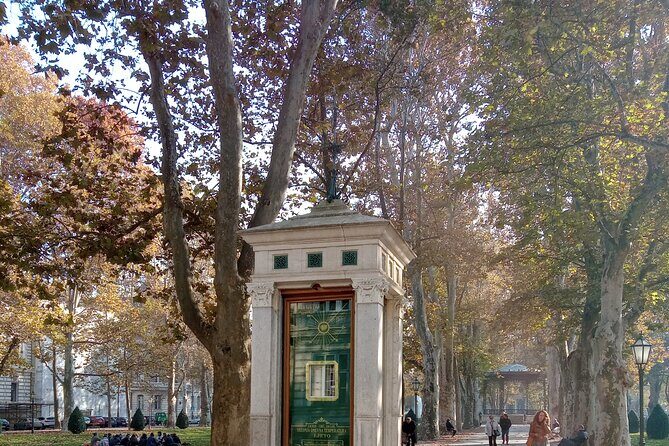
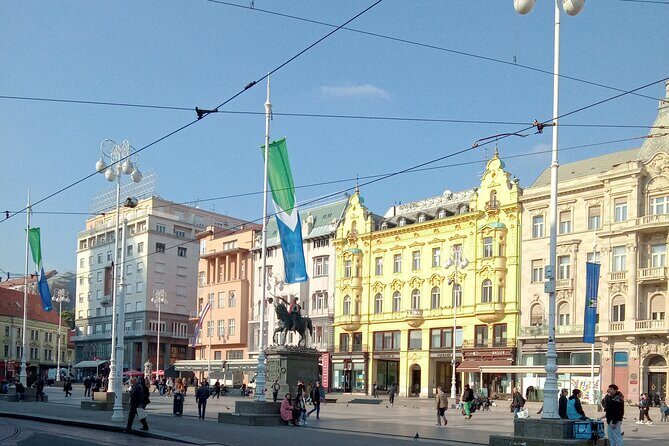
You start at Ban Jelačić Square, Zagreb’s classic social hub. If you’re the type who likes not-wandering-in-circles, this is a smart first stop. The tour points out two specific “anchor” locations people use as meeting references: under the clock on the west side of the square, and under the horse’s tail.
Why that matters: squares are huge, and Zagreb is full of little street turns once you start moving. If you learn these two reference points early, you’ll navigate the rest of the Old Town with less guesswork later. Plus, Ban Jelačić Square is the place where you can instantly feel how the city organizes daily life—people gather, talk, and move outward from here.
Time on this stop is short, about 15 minutes. That’s enough to set your mental map without dragging. If you want an extra photo moment, arrive a few minutes early rather than hoping the tour schedule will slow down.
The Funicular That Does the Climbing for You
Next up is the funicular railway. This is included, and the ride takes about 10 minutes. The tour notes that it’s among the shortest in Europe, which is exactly why I like it for history walks: it’s a practical link between areas, not a time sink.
Here’s what you’ll get from this stop beyond transportation. The funicular creates a quick change in viewpoint. One moment you’re in the Lower Town rhythm, then you’re rising toward the Upper Town streets. That shift makes the later walking sections feel like a natural progression, not just more steps.
A small timing tip: since the ride is short, it’s a good moment to reset—use it to put your phone away before you start snapping photos again in the Upper Town, and you’ll move with more calm once you’re up there.
Gornji Grad Upper Town Stroll and the Stories You’ll Remember
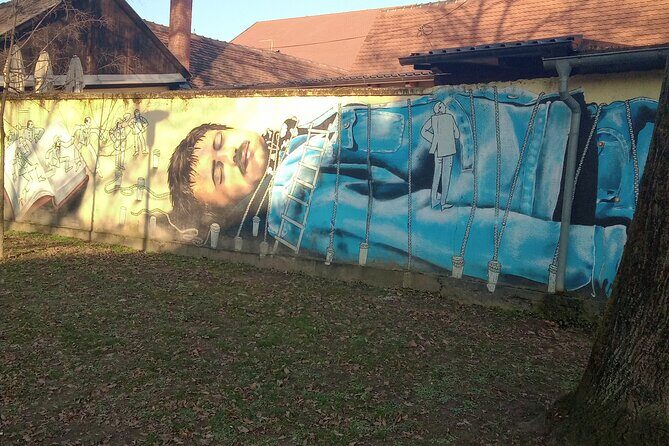
After the funicular, you head into Gornji Grad, the Upper Town. This section runs about 40 minutes, which is a generous chunk of walking for a tour that stays this compact.
The value here isn’t just that you see older streets. It’s that the guide connects what you’re looking at to what Zagreb went through—politics, city life, and the way places gained meaning over time. You’ll get “why this corner matters” kind of commentary rather than a list of dates.
Practical expectation: you’ll be walking on streets that can feel uneven. Wear shoes you’re comfortable with for steady strolling, not fashion flats that make every step feel like a negotiation. And if you tend to take photos as you walk, keep your pace steady; the guide’s stories are part of the experience, not background noise.
If you’re traveling solo or with kids, this is also where the small-group setup shines. When people ask a question, it’s more likely to get answered fully rather than rushed.
Petrini Pyli: The Old Town Entrance You’ll Notice Immediately
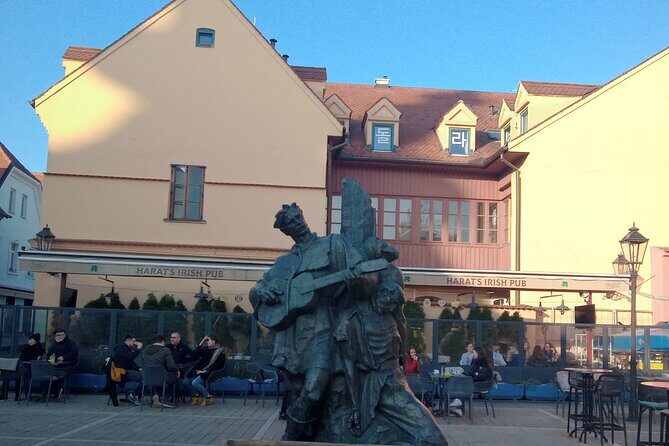
One stop that feels very “this is why you needed a guide” is Petrini Pyli. This is described as the only remaining entrance to the Old Town, and that single detail gives the stop power. You’re not just passing by another landmark. You’re seeing a surviving trace of how the Old Town boundary used to work.
What to do here: slow down for a minute and look at how the entrance sits in its surroundings. Even if you’re not a history buff, a physical marker like this helps you understand the city’s layout. It turns the idea of Zagreb’s Old Town from an abstract concept into something you can point at.
Time is about 15 minutes, so you’ll get enough to register the importance, not so long that you feel stuck in one spot.
Other historical tours in Zagreb


Tkalciceva Street and Dolac Market: Two Zagreb Icons, One Timing Problem
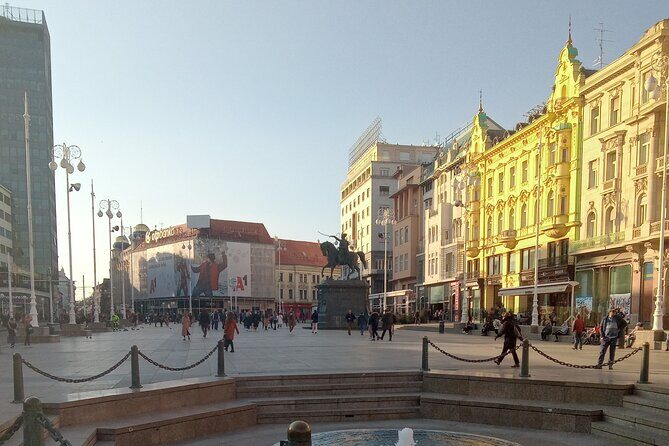
Then you move to two of Zagreb’s best-known everyday scenes: Tkalčićeva Street and Dolac Market.
Tkalčićeva Street is presented as the city’s most famous and visited street. It’s where the tour shares history tied to the street itself—how it became known, and why it remains a magnet for people. This stop is short, around 10 minutes, but it works as a reset from the Old Town focus. You’re back in the “how Zagreb lives now” category.
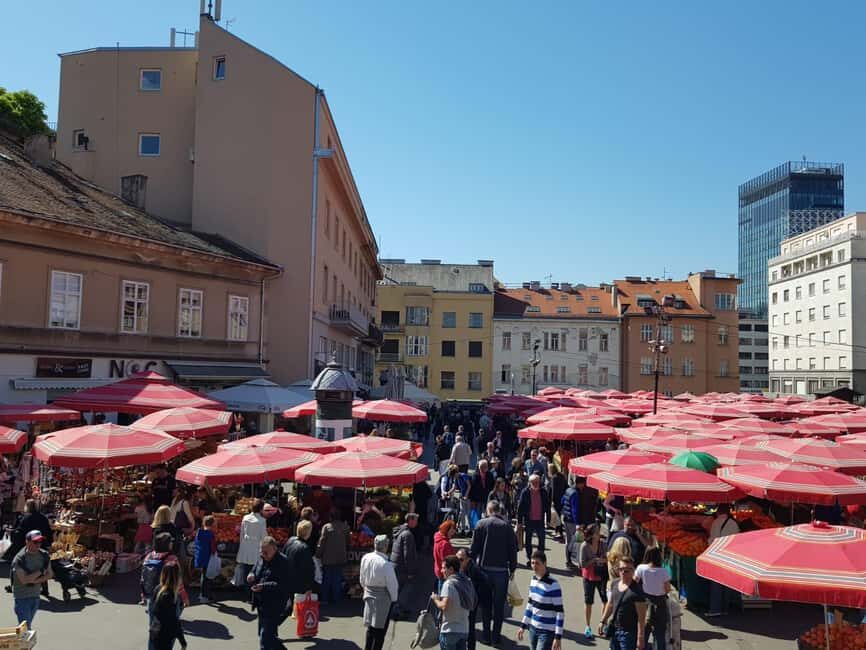
Dolac Market is the next stop, about 10 minutes. It’s described as Zagreb’s most famous symbol for market life, with the hustle-and-bustle vibe. Here’s the key practical point: Dolac is closed in the afternoon. So if your tour runs later in the day, you might not get the full market atmosphere you’re hoping for.
What I’d do: if you can choose timing, aim for the earlier part of the day to catch Dolac in action. If your dates force an afternoon slot, treat this stop as a market-location orientation rather than a guaranteed peak shopping scene.
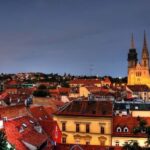
Cathedral of Zagreb: The Symbol and the Turbulent Backstory
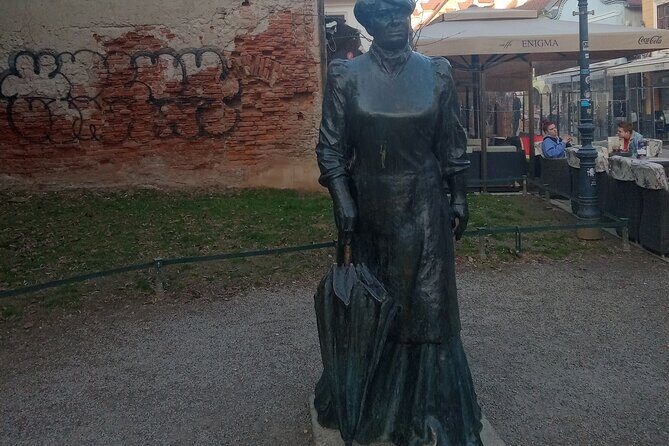
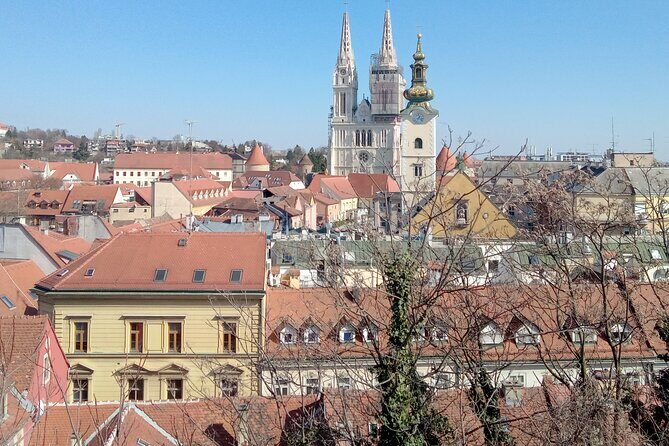
The tour ends with the Cathedral of Zagreb area, about 10 minutes. This is described as the city’s most famous symbol, and the guide shares facts tied to its turbulent history.
Even with a short stop, you can learn a lot because a cathedral is the kind of landmark where the story matters as much as the architecture. The guide’s role here is crucial: without context, you might just see a major church. With context, you start noticing how the building reflects changing times.
What to watch for on this final segment: pause, take in the whole view, and then listen closely. The tour format means you won’t have time to get lost searching for every detail on your own. Think of this stop as a closing chapter—short, memorable, and built to help you recognize what you see later when you’re back outside the tour.
Price, Group Size, and Booking Timing: Is It Good Value?
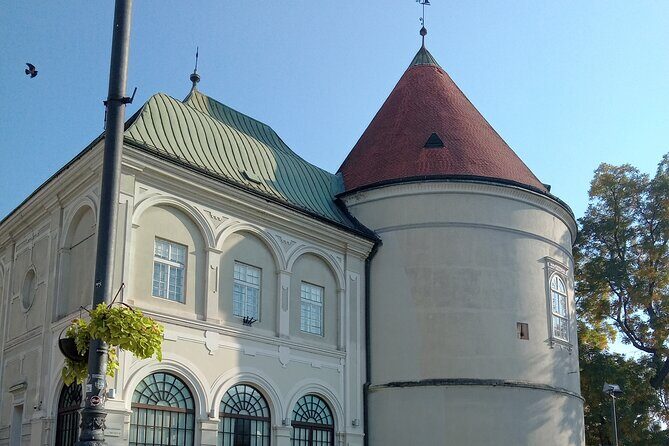
At $42.06 per person, this tour is positioned as a value play for central Zagreb. The biggest reason: the funicular ticket is included. Add in a licensed local guide and you’ve basically paid for (1) knowledgeable storytelling and (2) a smooth piece of transportation that saves you time and effort.
The duration also helps the math. With about 2 to 2.5 hours, you’re not committing a huge chunk of a day. This is the kind of tour that pairs well with a longer self-guided explore afterward, because you’ll understand what you’re looking at as you wander.
Group size is capped at 6 travelers, which is another value factor. Small groups tend to feel more relaxed, and they’re easier for guides to manage when they’re explaining details. It also showed up in the experience feedback: in quieter periods, the tour can even shrink down to a private experience, which makes the Q&A and pacing even better.
One more small detail: the tour is typically booked around 51 days in advance on average. That’s not a panic number, but it’s a hint. If you’re traveling in peak season or on a busy day, booking ahead helps you avoid last-minute schedule headaches.
Tips to Make This Walk Feel Effortless (Not Like a Sprint)
Here’s how I’d set yourself up for success with this exact format:
- Wear comfortable walking shoes. The tour is short-stop, but it’s still a walk-through-city effort.
- Bring a light layer. The tour depends on good weather, and Zagreb can shift from sunny to cool fast.
- Ask questions at squares and entrances. Those are where the guide’s explanations click fastest.
- If you care about Dolac Market, plan for morning timing. The tour notes it’s closed in the afternoon.
- Use the ending point. You finish at Ban Jelačić Square, so you can grab a drink or continue exploring without needing extra transit planning.
If you’re traveling with kids, the experience feedback includes a clear win here: the guide was willing to explain things in a way that worked for children. That’s the kind of tour you want when you don’t want to constantly translate everything yourself.
Should You Book This Zagreb History Walking Tour?
I’d book this if you want a compact first look at Zagreb that mixes city orientation with real context. The standout ingredients are the route design (square to funicular to Upper Town), the included funicular ticket, and the guide-led storytelling that makes specific places—like Petrini Pyli—feel meaningful instead of random.
You might skip it or adjust your expectations if you’re only interested in museum interiors or you’re visiting specifically for long attraction time at major buildings. This tour is about streets, symbols, and how the city’s pieces connect.
Best fit: first-time visitors, history-curious travelers with limited time, and families who want a guided walk that doesn’t talk down. If you’re the kind of traveler who likes getting oriented and then going off-script, this tour is a solid starting move.
FAQ
What is the duration of the Zagreb History Walking Tour?
It lasts about 2 hours to 2 hours 30 minutes.
How much does the tour cost?
The price is $42.06 per person.
Does the tour include the funicular ticket?
Yes. The funicular ticket is included, along with admission to the Funicular Railway.
Where does the tour start and end?
It starts at City of Zagreb, 10000 Lower Town, Zagreb, Croatia. It ends at Ban Josip Jelačić Square (Trg bana Josipa Jelačića).
Are museums included in the tour?
No. Visits to museums and galleries are not part of the tour program.
Is Dolac Market open during the tour?
Dolac Market is closed in the afternoon, so timing matters.
How big is the group?
The tour has a maximum of 6 travelers.