REVIEW · ZAGREB
Sites & Bites Private Food and History Tour of Zagreb
Book on Viator →Bookable on Viator
Zagreb tastes better with stories. This private Sites and Bites tour strings together big landmarks and small foodie detours, so you’re not just looking at squares—you’re learning why the city eats the way it does. I love that you get tastings plus drinks all day, and that the history lands right where you’re standing, from Lotrščak Tower to St. Mark’s Church. One consideration: it’s a 5–6 hour day with lots of walking between stops, so wear comfy shoes.
You’ll start in the Lower Town, work through classic Old Town corners, then end in the Upper Town area after a quick funicular ride. The payoff is a packed mix: olive oil and truffle talk, cheese tastings, market time at Dolac, plus a proper lunch with Croatian favorites. If you’re the type who hates standing around during tastings, this might feel like too much food-on-the-go.
In This Review
- Key highlights to know before you go
- How this Zagreb tour feels in real life
- Zrinjevac to Main Square: a smart start, before you get lost
- Ban Jelačić Square: coffee culture and the taste of Croatia
- Cathedral of Zagreb: architectural clues you’ll notice afterward
- Dolac Market: the stop that makes the food story real
- Opatovina and beer talk near Petrica Kerempuh
- Tkalčićeva Street: where you’ll get restaurant ideas
- Bloody Bridge and the story behind the name
- Gric Tunnel: WWII history, with a real-world catch
- The world’s shortest funicular to the Upper Town
- Lotrščak Tower and Strossmayer Promenade: views with payoff
- St. Mark’s Church and the finishing flavors of Zagreb
- What’s included (and what it means for your day)
- Price and value: is $203.70 a fair deal?
- Who should book this Zagreb Sites and Bites tour
- Should you book it?
- FAQ
- How long is the Zagreb Sites & Bites private tour?
- What meals and drinks are included?
- Is the funicular ride included?
- Is this a private tour?
- Do I need to pay entry fees for the stops?
- What is the cancellation window?
Key highlights to know before you go
- Food stops that come with real context (olive oil, truffles, cheese, coffee culture)
- Landmarks in the right order (Lotrščak Tower, St. Mark’s Church, Bloody Bridge)
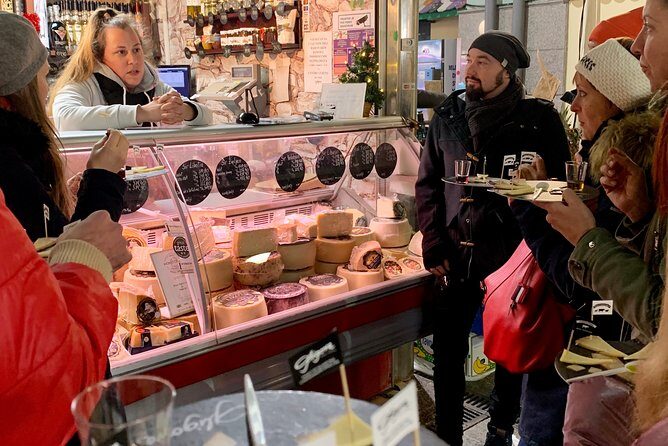
- Dolac Market time for farmers, oils, and cheese paired with wine
- Funicular included to reach the Upper Town
- WW2-era Gric Tunnel visit when it’s open
- 3-course lunch included with strukli plus either sarma or filled bell pepper
How this Zagreb tour feels in real life
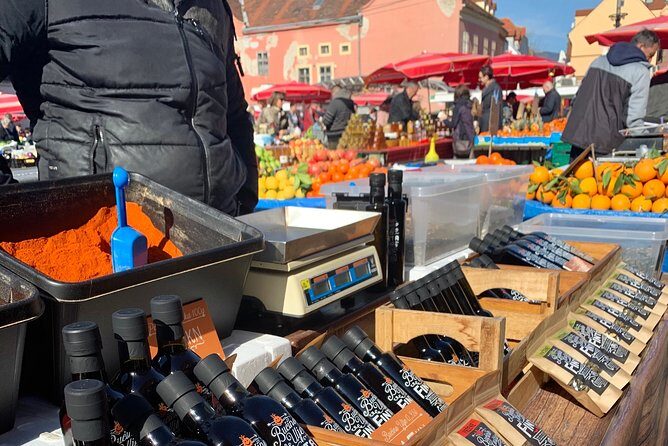
This is the kind of tour that makes Zagreb click. You move through the city with a local-licensed guide, and every few blocks the day switches gears: one minute you’re learning a piece of city history, the next minute you’re sampling something from the region. It’s not just eating for fun; it’s eating so the culture makes sense.
The best part for practical travelers is that the food load is built in. Tastings and drinks are scheduled throughout the route, and then you finish with a 3-course lunch so you’re not hunting down meals on your own. Even better: all fees and taxes are included in the price, so you’re not dealing with surprise add-ons at each stop.
Other Zagreb food tours we have reviewed
Zrinjevac to Main Square: a smart start, before you get lost
You begin at Zrinjevac 2 near a meteorological station, and your guide sets the scene fast. Expect a historical overview tied to what you’ll see next—how Zagreb grew, why certain areas became important, and how food traditions connect to daily life and trade.
From there, you continue toward the Main Square area. This is a good first leg because it orients you. You’ll spot key city rhythms early, and you’ll understand the layout better before you move into tighter Old Town streets.
Ban Jelačić Square: coffee culture and the taste of Croatia
Next up is Ban Josip Jelacic Square, the core stage for plenty of Zagreb life. This stop isn’t just scenic; it’s where the guide connects the city’s social habits to food and drink. One example from the tour theme: you’ll learn about Croatian coffee drinking culture, which is exactly the kind of detail that makes your later café stop feel less random.
Then the day shifts into a tasting moment where you can sample Croatian olive oil and learn about truffles. I like this because it’s “high signal” food education: you’re not memorizing trivia, you’re learning what makes local ingredients distinct—and you’re tasting along the way.
Cathedral of Zagreb: architectural clues you’ll notice afterward
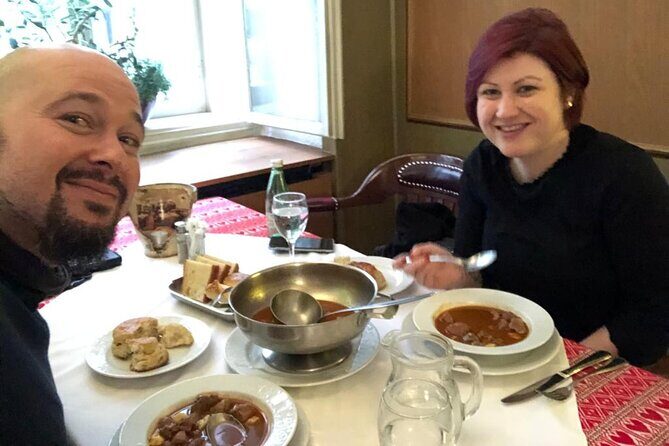
At the Cathedral of Zagreb, you get a short window to marvel at a sacral building shaped by multiple architectural styles. The time here is tight (about 20 minutes), so don’t expect a slow museum pace. Instead, think of it like a guided “spot the clues” stop.
This is a useful checkpoint because you’ll later move through areas where government, church, and everyday life overlap. When you understand how these spaces connect, Zagreb feels less like a list of sights and more like a living city.
Dolac Market: the stop that makes the food story real
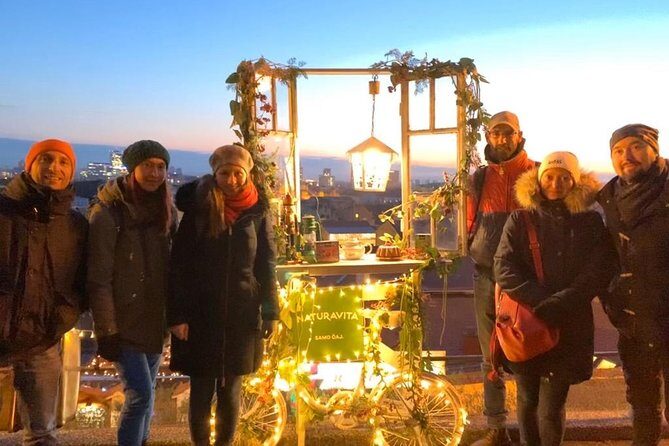
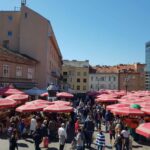
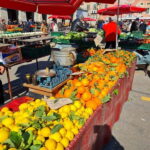
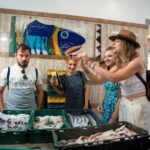
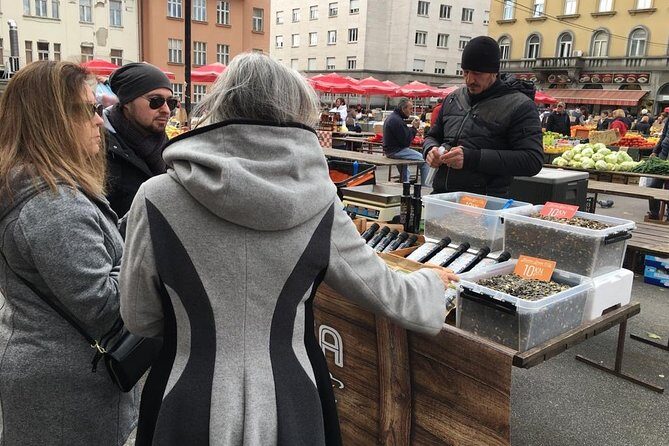
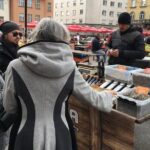
Dolac is where the tour turns from tasting to understanding. You’ll visit Dolac Market, spend time getting to know the farmers, and try pumpkin seed oil right in the open market setting. If you’ve only encountered pumpkin seed oil as a product on a shelf, this is the moment you learn how it fits into local eating.
The cheese sampling here is also a highlight. You’ll try one of the best cheeses in the world (that’s how the tour frames it) and pair it with wine. This part matters because it teaches you how Croatians build flavor: oils and cheeses aren’t “separate snacks,” they’re part of a bigger eating rhythm.
You’ll also explore the covered market and learn Croatian market traditions. My advice: don’t rush photos at this stop. Look first, then taste. Dolac is the kind of place where one missing detail makes the whole story feel less complete.
Other food & drink experiences in Zagreb
Opatovina and beer talk near Petrica Kerempuh
A quick stop at the Statue of Petrica Kerempuh helps you zoom out and see Zagreb as more than monuments. The theme here is Opatovina, a lively hangout area, with the guide sharing the city’s beer scene. It’s a short visit (about 10 minutes), but it adds texture. You’ll leave with a better sense of what locals do after the workday.
Tkalčićeva Street: where you’ll get restaurant ideas
Then you hit Tkalčićeva Street, one of the most lively streets in the central area. This is brief (around 10 minutes), but the value is practical: you’ll pick up tips on good local restaurants from the guide.
I like this stop because it turns the tour into planning help. After a day of tastings, you’ll actually know what to look for when deciding where to eat next—rather than picking a place solely based on menu photos.
Bloody Bridge and the story behind the name
At Krvavi Most (Bloody Bridge) you stop for a short moment to learn how it got its name. The tour doesn’t treat this as a scare story; it’s more like a city nickname turned into a clue about local history.
This stop is only about 25 minutes, but it gives Zagreb a human side. You walk away noticing how the city labels its places—sometimes with dark humor, sometimes with memory.
Gric Tunnel: WWII history, with a real-world catch
Next is Tunel Gric, a legacy site from World War II. You’ll take a stroll through the tunnel area (around 15 minutes). The key consideration: it may be closed occasionally due to events.
If the tunnel is open, it adds a grounded “why this place matters” chapter to the day. If it’s closed, you still keep moving through the rest of the Old Town and Upper Town sights, so it doesn’t sink the tour.
The world’s shortest funicular to the Upper Town
You’ll ride the funicular railway, described as the world’s shortest, to reach the historical Upper Town. It’s a short ride (about 10 minutes), but it changes the feel of the day. Suddenly the views and architecture make more sense because you’re higher up—Zagreb starts reading like a layered city instead of one flat core.
The ride is included, which is nice because you don’t have to decide whether it’s worth paying extra for. This is one of those small “value multipliers” that makes a tour price feel fair.
Lotrščak Tower and Strossmayer Promenade: views with payoff
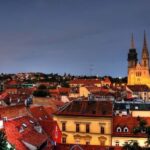
At Lotrščak Tower, you get a guided look at the medieval watchtower and time to stroll the Strossmayer promenade. The views are framed to stretch down toward the south bank of the Sava river, and you’ll get the kind of photo moments that usually require hopping between viewpoints on your own.
Then you move toward one of the best-known photo stops in Zagreb’s center area—close enough that you’ll see the city’s rooftops and the vibe of the area right away.
St. Mark’s Church and the finishing flavors of Zagreb
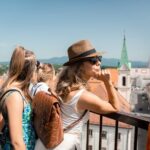
Your final anchor is St. Mark’s Church. You’ll get time to see the rooftops and take photos at picturesque spots, while learning why the church area is connected with Zagreb’s Parliament and government. The guide also points out museums in the area, including the Museum of Broken Relationships.
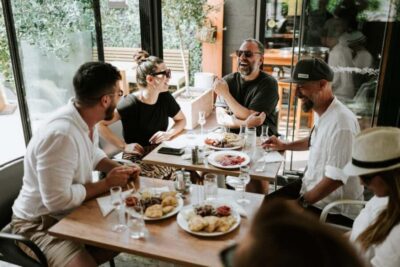
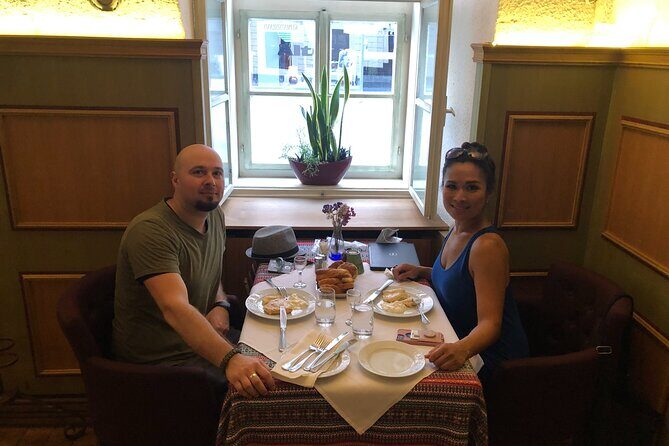
Then the tour ends with a traditional meal: a 3-course lunch in a restaurant setting, where you’ll eat classics like strukli plus slavonian stew, and either seasonal filled bell pepper or sarma. You’ll also have rakija and gemišt during the meal, plus coffee and/or tea is included.
This is a smart finish because it’s not just “more food.” It’s Croatian comfort food served after the history has already given it meaning.
What’s included (and what it means for your day)
From a practical standpoint, the tour includes coffee and/or tea, alcoholic beverages, lunch, snacks, and all fees and taxes. That’s important because food tours can quietly add costs—sometimes tastings are “suggested,” sometimes lunch is extra. Here, the structure is built so you don’t need to patch the day with your own meal plans.
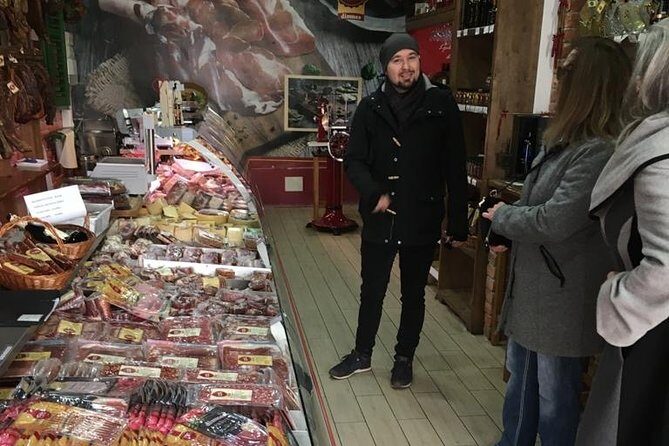
Also, tastings aren’t limited to one category. You’ll see a mix across the route: cured meats, breads, olives, oils (including pumpkin seed oil), cheeses (including Pag cheese themes), olive oil and truffle knowledge, and wine. This is why people tend to walk away feeling like they learned a way of eating, not just what to order once.
Price and value: is $203.70 a fair deal?
At $203.70 per person for a 5–6 hour private tour, you’re paying for three things at once: guiding, access to food vendors and tastings, and a real meal. The value isn’t the walking route—it’s that the day is structured so you get repeated tastings plus a full lunch without managing individual stops yourself.
If you’re traveling with someone and you’d rather not spend energy comparing venues, this private format can be a strong bargain. You also avoid the common “food tour trap” where the tastings are tiny and lunch is on you. Here, you finish with a sit-down lunch that includes multiple Croatian staples.
Who should book this Zagreb Sites and Bites tour
This works best if you want Zagreb to feel personal and edible. You’ll enjoy it if you like:
- Food-and-history pairings, not one or the other
- Learning about local ingredients (olive oil, truffles, pumpkin seed oil, cheese)
- A guided route that hits major landmarks without you doing planning math
It might be less ideal if you need a slow-paced itinerary or you’re sensitive to standing during multiple short stops. Also, if the Gric Tunnel is closed on the day you book, you won’t get that specific WWII moment—but the rest of the route still holds together well.
Should you book it?
I’d book this tour if your priority is a high-quality intro to Zagreb through food. The route is dense in the best way: you get the Lower Town and Upper Town rhythm, key landmarks like Lotrščak Tower and St. Mark’s Church, and a lunch that’s clearly meant to be memorable.
If you’re already comfortable with Croatian food and just want photos, you might feel it’s too structured. But if you want Zagreb to come with flavor, context, and less guesswork, this is the kind of day that pays you back later—at dinner, at cafés, and when you start spotting ingredients on menus.
FAQ
How long is the Zagreb Sites & Bites private tour?
The tour lasts about 5 to 6 hours, starting at 9:00 am.
What meals and drinks are included?
You get tastings, coffee and/or tea, alcoholic beverages, snacks, and a 3-course lunch that includes dishes like strukli and either seasonal filled bell pepper or sarma.
Is the funicular ride included?
Yes. The funicular railway ride to the historical Upper Town is included in the tour.
Is this a private tour?
Yes. It’s private, meaning only your group participates.
Do I need to pay entry fees for the stops?
The tour lists admission tickets as free for the stops on the route, and it includes the funicular ticket. All fees and taxes are covered in the tour price.
What is the cancellation window?
You can cancel for a full refund up to 24 hours before the experience starts. If you cancel less than 24 hours before, the amount paid is not refunded.