REVIEW · ZAGREB
From Zagreb: Yugoslavia Memorial Sites Tour
Book on GetYourGuide →Operated by Swanky Travel · Bookable on GetYourGuide
Croatia has a second story, written in concrete. This tour focuses on spomeniks, memorial structures tied to Yugoslavia’s changing politics, built from the 1950s through the 1990s. If you’re drawn to history that’s a bit off the main tourist map, you’ll like the mix of art, memory, and rural travel along the way.
I especially like that the day is built around three distinct stops, each with its own theme and tone: a revolution monument, a major Holocaust-era concentration camp memorial, and a Partisan-linked site in a forest. You also get a private local guide in English, and the guide’s name that comes up often is Patrik, who keeps the context clear so the monuments make sense instead of feeling random. The one drawback to plan for: lunch isn’t included, so you’ll want to bring snacks and water or plan food after the final stop.
In This Review
- Key things I’d plan around
- Why spomeniks are the point of this tour
- Zagreb pickup and rural timing: what the day feels like
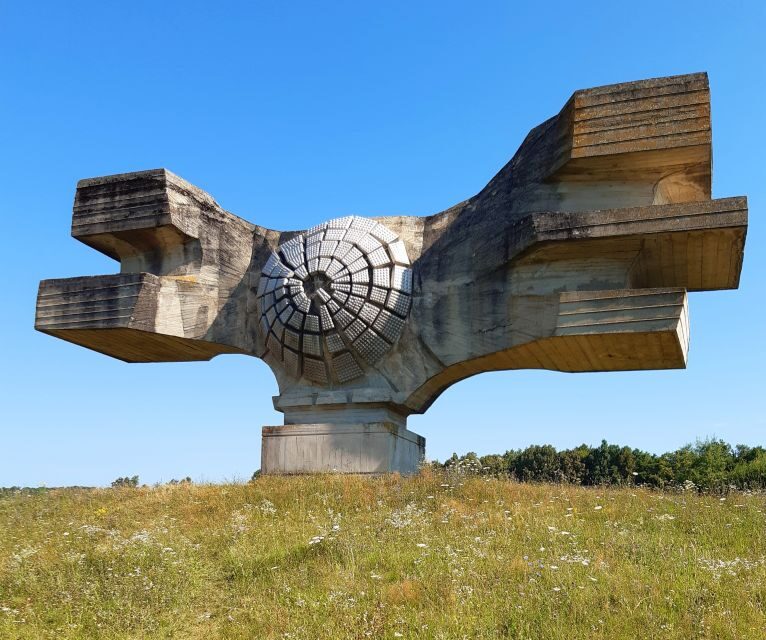
- Podgarić: the Revolution of the People of Moslavina monument
- Jasenovac: Stone Flower Monument and the memorial museum
- Sisak in the Brezovica forest: Monument of the Detachment
- The guide makes the monuments readable (and not random)
- Price and value for a group of up to 2
- What to bring: the small rules that prevent big headaches
- Who this tour is for (and who should skip it)
- Should you book this Yugoslavia Memorial Sites Tour from Zagreb?
- FAQ
- How long is the tour from Zagreb?
- Where does the tour start and end?
- Is lunch included?
- What languages are available?
- Is the tour suitable for wheelchair users?
- What should I bring, and are there any footwear rules?
Key things I’d plan around
- Spomeniks from 1950–1990s: you’re seeing a whole era of memorial design, not just one monument
- Three stops with very different purposes: revolution, wartime tragedy, and Partisan memory
- Private, English-speaking guide: history stays understandable, not vague
- Jasenovac includes the museum visit: the camp site is paired with indoor context
- Rain or shine, with closed shoes required: bring layers and wear proper footwear
Why spomeniks are the point of this tour
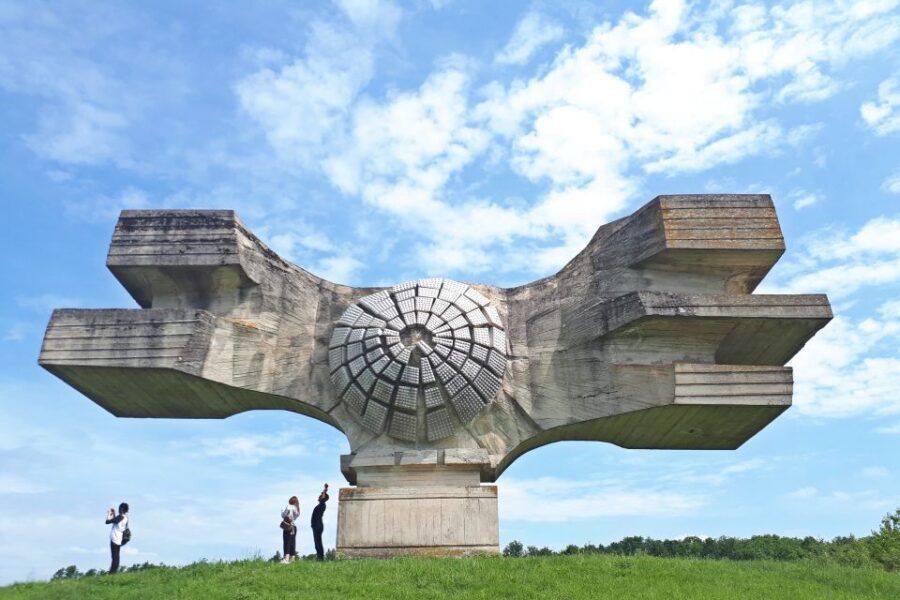
Spomeniks are more than statues. They’re political memory turned into public architecture—often bold, sometimes austere, and always tied to who Yugoslavia wanted to remember itself as. Seeing them as a set helps you connect the dots across decades, because the designs reflect shifting ideals, not just one moment in time.
This is exactly why I like the structure of this experience: it doesn’t treat the monuments like standalone photo ops. Instead, you move through places that show how different chapters of Yugoslav history left physical marks on Croatia, including remembrance sites that later generations had to live with. And because you visit only three locations, you get time to look closely rather than rushing.
If you want an easy beach-style day, this is not that. This is a serious day—especially once you reach Jasenovac—so it works best when you’re ready to slow down and pay attention.
Other Communism and Yugoslavia history tours in Zagreb


Zagreb pickup and rural timing: what the day feels like
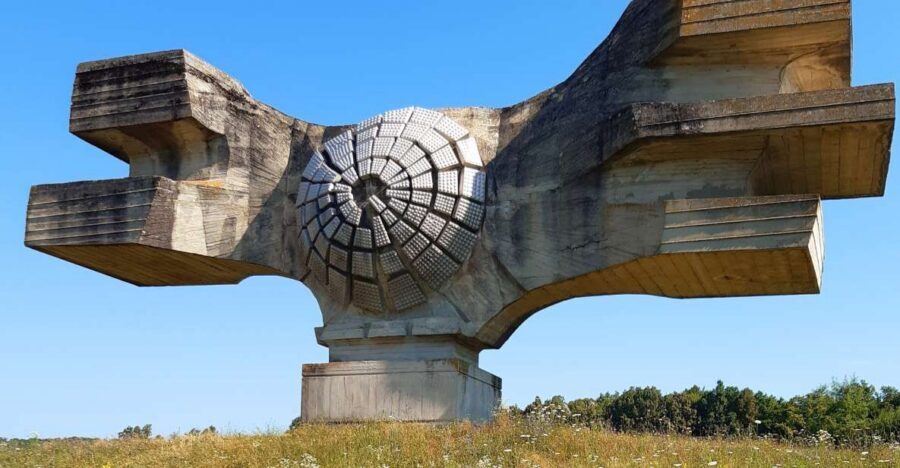
The schedule is built around an early start. You’re picked up from your accommodation in Zagreb around 08:00, then you’ll roll out into the countryside and small towns for roughly the rest of the morning and early afternoon, with a return drop-off around 15:00. The full duration listed is 10 hours, which lines up well with travel time plus time at each site.
You’ll also travel in a private group, meaning you’re not sharing a cramped van with strangers who have zero interest in history. That matters because spomeniks can be confusing on your own; having time with an English guide helps you understand the symbolism and the timeline.
Two practical notes from what’s specified: the tour runs rain or shine, and you’ll need passport or ID with you. Closed shoes matter too—open-toed shoes aren’t allowed—so bring something sturdy enough for site paths and any wet ground.
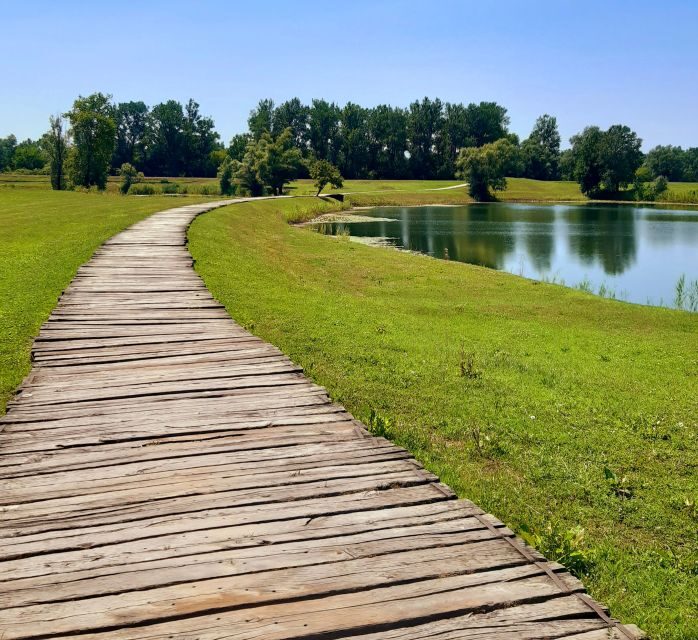
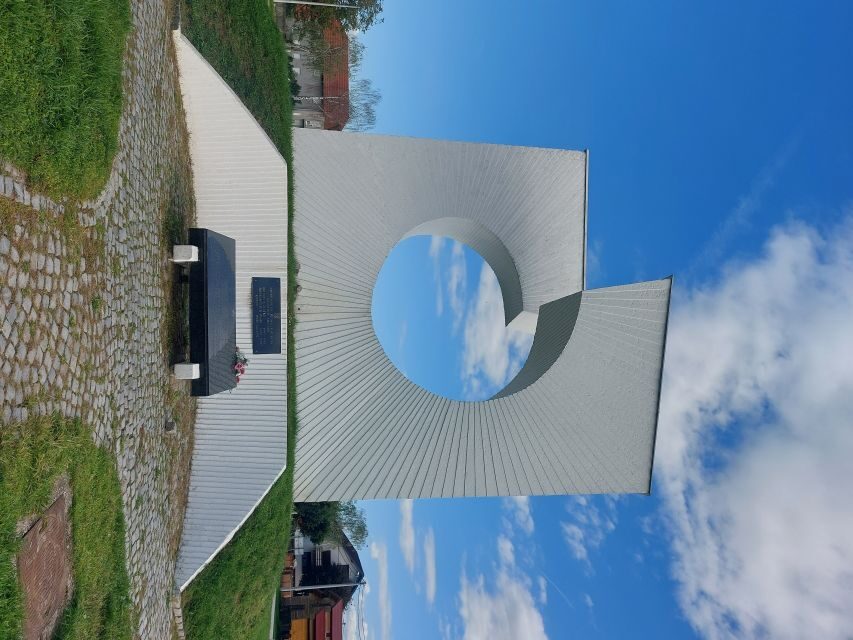
Podgarić: the Revolution of the People of Moslavina monument
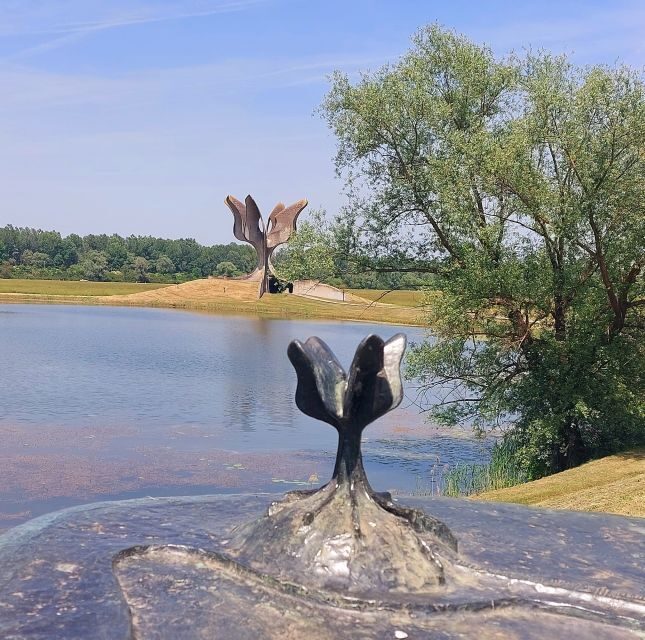
Your first stop is Podgarić, where you’ll visit the Monument to the Revolution of the People of Moslavina. This opening leg is smart because it sets the ideological tone for the rest of the day. Before you confront the heavier parts of Yugoslav history, you first see how post-war memory was meant to inspire, organize, and legitimize a new reality.
What to pay attention to here is the way the monument communicates purpose. Revolution monuments often use scale, materials, and placement to suggest permanence—like the message should outlast the politics that created it. Your guide’s explanations (again, Patrik’s name comes up a lot) help you read those choices instead of treating the structure like abstract sculpture.
The timing also helps: you reach Podgarić in the morning, when the light is usually better for looking at form and detail. If you’re the type who likes art as much as history, this first stop hits a nice balance.
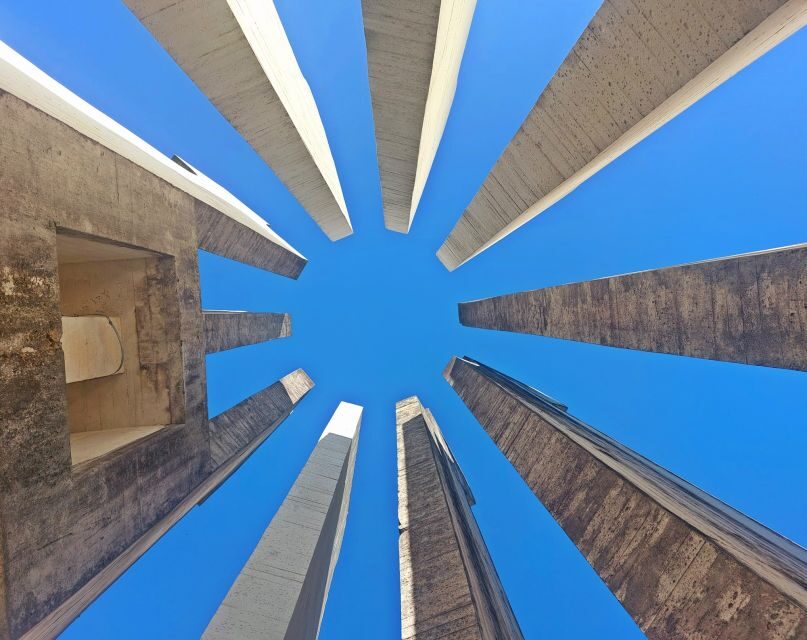
Jasenovac: Stone Flower Monument and the memorial museum
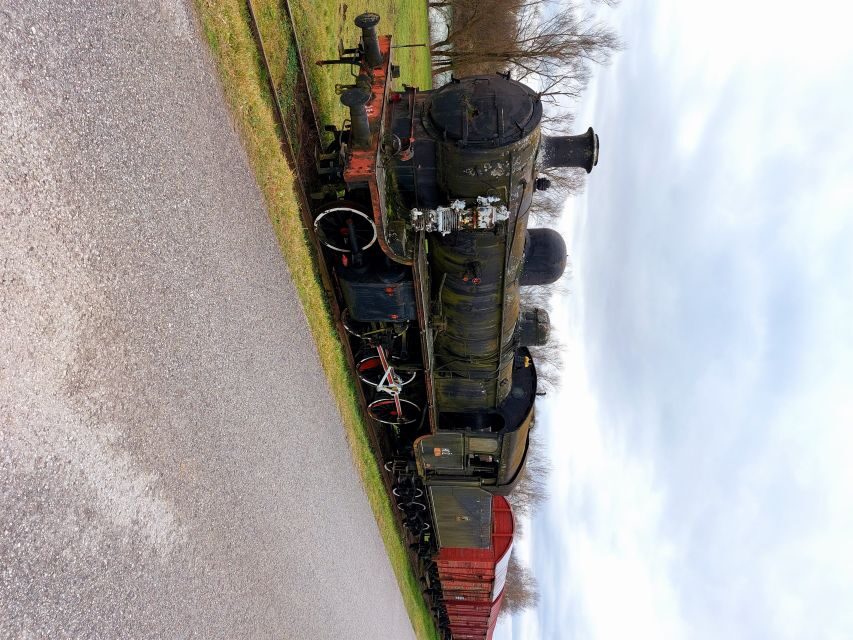
Jasenovac is the emotional center of the tour. You’ll head here around 10:30, and the stop includes the Stone Flower Monument plus the Museum of Jasenovac concentration camp. This is not a quick look-around; the museum visit is part of the experience, which matters because memorial sites alone can feel incomplete without context.
I like that the tour pairs the outdoor monument with the museum. Outdoor memorials can show you what remembrance looks like in physical form. The museum helps connect it to names, dates, and the reality of what happened—so the memorial doesn’t float off into vague sadness.
A review highlight I found especially useful: Jasenovac is described as a sad and beautiful memorial to the victims of fascism. That phrase is important, because it reflects the tension you’ll likely feel there: the design and presentation can be striking, but the content is fundamentally about suffering and loss. Go in with the right mindset. You don’t need to treat it like entertainment; treat it like an act of attention.
Practical tip for this stop: wear comfortable closed shoes, because concentration camp memorial grounds can involve walking on uneven paths. Also, bring your questions. If you’re trying to understand how Yugoslav history was remembered, argued, and preserved through different eras, this is where your guide’s explanations become most useful.
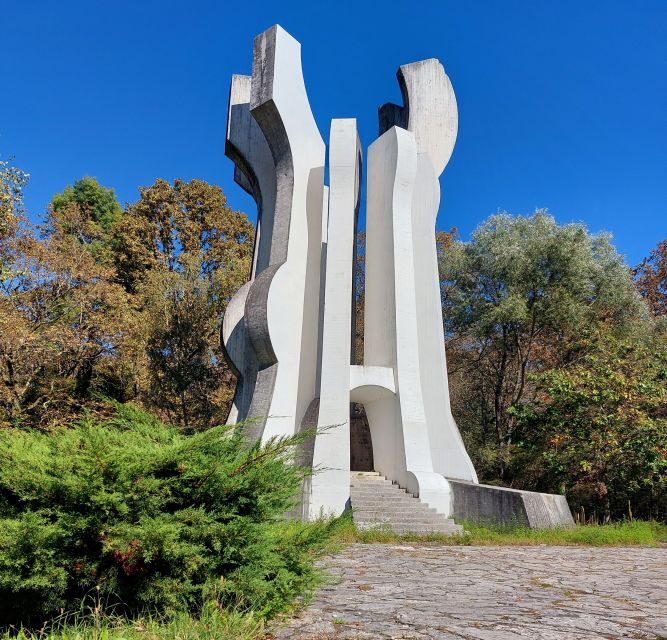
Sisak in the Brezovica forest: Monument of the Detachment
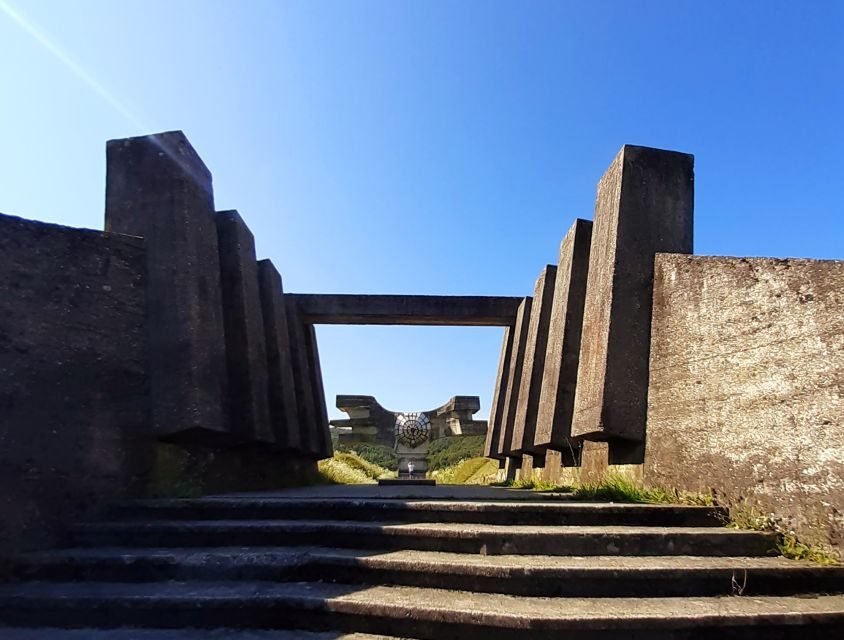
After Jasenovac, you’ll continue to Sisak, stopping around 12:30. The focus here is the Monument of the Detachment, located in the Brezovica forest. This change of setting is more than scenery—it shifts the mood from mass tragedy to Partisan-era memory, and it changes how you experience the monument itself.
In a forest, a monument can feel more intimate and more enclosed. You’re not only viewing a structure; you’re moving through the environment that shaped how people lived, hid, and resisted during wartime. One review specifically called out the spirit of Partisans in the surrounding forests, and that’s the kind of atmosphere you should expect to feel here.
This is also a good stop if you like nature-photography but want it tied to meaning. The monument’s location helps you understand why memory wasn’t always placed in city centers. Sometimes remembrance was literally placed where the story happened—where people moved and survived.
The main consideration: because this stop is in a forest, ground conditions can change quickly. Rain can make paths slick, so your footwear decision from the start of the day pays off now.


The guide makes the monuments readable (and not random)
The best part of this tour, based on the high ratings, is the way the guide connects monuments to their historical background. Patrik is named as a guide who provides the full regional history you need to understand what you’re looking at. That’s a big deal with spomeniks, because without context, many of these structures can look like modern art sculptures detached from events.
What you’re paying for here isn’t just transportation to three sites. You’re paying for interpretation: why these monuments exist, who they were meant to represent, and how the story shifts depending on the decade. With a private guide, you can also ask follow-up questions if something feels unclear—like what a symbol might be pointing to, or why a style choice matters.
If you care about “what happened” and not only “what it looks like,” a guide-driven day like this is a strong fit.
Price and value for a group of up to 2
The price is listed as $402 per group, up to two people. For a couple, that can feel fair because the cost is structured around a small private unit rather than per-person mass tourism pricing. You also get a lot for the money: pickup and drop-off in Zagreb, organization of the day, a private English-speaking local guide, the Jasenovac memorial museum visit, and flashlights for exploration.
Lunch isn’t included, so your real cost can rise slightly if you prefer not to do snacks. But the rest of the essentials are covered, which reduces hassle. You’re not spending your energy figuring out transport between far-flung memorials or trying to guess what’s worth your limited time.
If you’re traveling solo, the private-group pricing can feel steeper. If you’re two people who enjoy history and you’re okay with a serious, structured day, the value tends to make more sense.
What to bring: the small rules that prevent big headaches
Here’s what you should plan for before you go:
- Bring a passport or ID card
- Wear closed shoes (open-toed shoes aren’t allowed)
- Expect the tour to run rain or shine
Flashlights are included for exploration, which is a thoughtful touch if you’ll be walking in dimmer areas or moving through spaces where a phone light isn’t ideal. Even with provided flashlights, it’s smart to pack practical layers: a rain layer, a warm layer, and comfortable socks you don’t mind getting a little damp.
And because this is a memorial-focused day, I’d also plan emotionally. If you’re sensitive to difficult history, you’ll still be able to handle it—but it helps to know it’s part education, part remembrance.
Who this tour is for (and who should skip it)
This experience is a great match if you want Croatia beyond coastlines and old town squares. You’ll enjoy it most if you like:
- history with a specific geographic story
- art-like monuments with political meaning
- rural travel and off-the-road stops
It’s also a strong pick for people who want a guided day where the context is explained in English, because the monuments are easier to understand that way.
It may not be the best fit if mobility is limited. The tour is not suitable for wheelchair users, so plan an alternative route if that affects you.
Should you book this Yugoslavia Memorial Sites Tour from Zagreb?
I think you should book this tour if you’re the type who wants your vacation to teach you something real, not just entertain you for a few hours. The combination of three spomeniks, an included museum stop at Jasenovac, and an English guide like Patrik who ties the history together is exactly the formula that turns monuments from confusing objects into meaningful places.
You might skip it if you want a light day, or if you’re not ready for the emotional weight of a concentration camp memorial. Also, plan around the fact that lunch isn’t included, because you don’t want your day to end up partly spent hunting for food at an inconvenient time.
If you’re traveling with someone you can share the private-group price with, this is especially compelling.
FAQ
How long is the tour from Zagreb?
The tour lasts 10 hours, with a schedule that includes stops at Podgarić, Jasenovac, and Sisak and ends with a drop-off around 15:00.
Where does the tour start and end?
You’re picked up from your accommodation in Zagreb and then dropped off at an arranged location after the final stop in Sisak.
Is lunch included?
No. Lunch isn’t included, so you’ll need to plan your own meal.
What languages are available?
The live tour guide speaks English.
Is the tour suitable for wheelchair users?
No. The tour is not suitable for wheelchair users.
What should I bring, and are there any footwear rules?
Bring your passport or ID card. Open-toed shoes aren’t allowed. Also, the tour runs rain or shine, so wear appropriate weather-ready clothing.