REVIEW · ZAGREB
Communism & Croatian Homeland War Tour
Book on Viator →Operated by Free Spirit Tours Zagreb · Bookable on Viator
Zagreb’s history hits different when it’s underground. This Communism & Croatian Homeland War tour pairs city landmarks with WWII shelter tunnels and multimedia lessons that explain how modern Croatia got to 1990s independence.
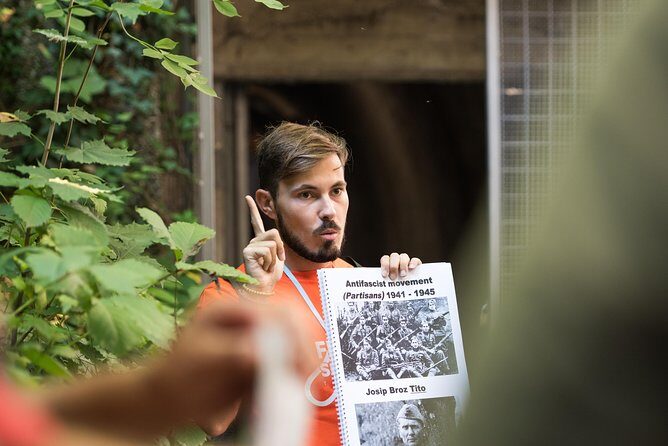
What I like most is how the tour stays practical and story-driven: you get a guided walk with real context, then you step into Tunel Gric and the basements used as air-raid shelters. I also love the way the guide uses maps, visuals, and a media presentation so names and timelines don’t blur together.
One drawback to know up front: this is not a light “see the sights” stroll. It moves through political and wartime material fast, so if you prefer a gentler history touch, you may want to set expectations for heavier themes.
In This Review
- Key things I’d mark on your mental map
- Zagreb’s history told through monuments, tunnels, and war maps
- Meeting at Ban Josip Jelačić: timing and walking rhythm
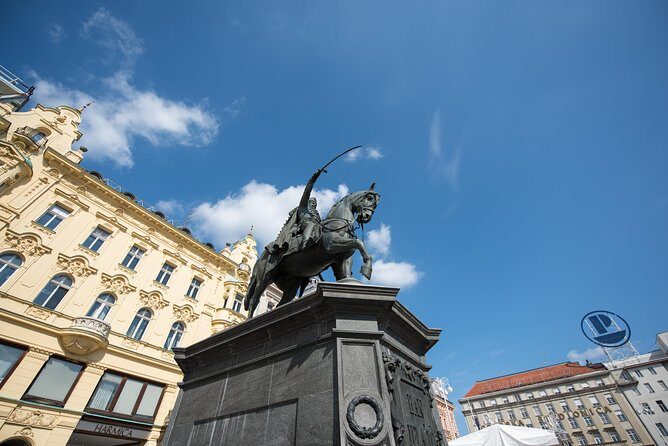
- Stop 1: Ban Josip Jelačić Monument and the tour’s “big picture” start
- Stop 2: Tunel Gric WWII underground tunnels and communist-era context
- Stop 3: Kaptol basements and the multimedia exhibition on Yugoslavia’s fall
- The Croatian Homeland War presentation and why the finale sticks
- Price and value: $47.16 for a guided story-heavy 2 hours
- Who this tour suits best (and who should rethink it)
- Practical tips for a smoother, more comfortable visit
- Should you book the Communism & Croatian Homeland War Tour?
- FAQ
- How long is the Communism & Croatian Homeland War Tour in Zagreb?
- What time does the tour start?
- Where does the tour meet?
- Does the tour include Tunel Gric and Kaptol?
- Is the ticket admission included for the tunnels and basements?
- What’s included beyond the walking stops?
- What language is the tour offered in?
- How big is the group?
- What’s the cancellation like?
- Is it suitable for kids?
Key things I’d mark on your mental map
- Small group feel (max 20 people) for easier questions and clearer explanations
- Two underground stops that connect Zagreb’s wartime reality to later political shifts
- English-speaking guide with a set flow through monument, tunnels, and multimedia rooms
- Multimedia presentation on the Croatian Homeland War plus a short video-style finale
- Free admission for the tunnel/basement visit times listed for the tour
Zagreb’s history told through monuments, tunnels, and war maps
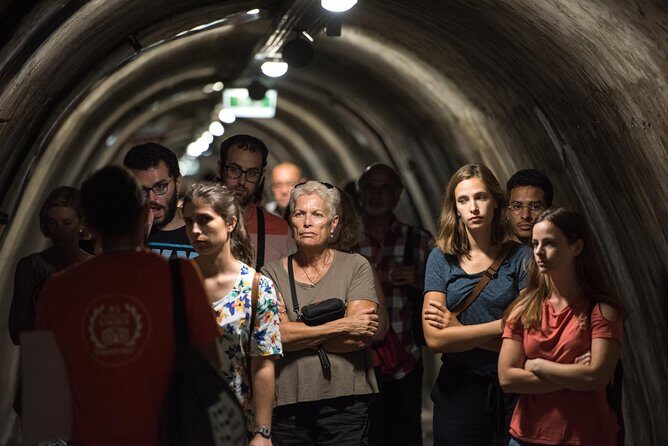
This tour works because it doesn’t treat history like a textbook. You start in a major public square, then you move under the city, where bombing shelters and tunnels make the past feel physical. It’s the kind of experience where you leave with a clearer sense of how 20th-century events shaped daily life, not just big political headlines.
You’ll also get a guided framework for modern Croatian history that spans multiple eras. The stops are built around major turning points: World War II air raids, the communist period in Croatia, and the fallout of Yugoslavia leading into the Croatian Homeland War in the early 1990s.
The format is also smart for comprehension. Instead of one long lecture, you get story at monuments, then story underground at Tunel Gric, then story again at Kaptol through a multimedia setup. It’s easy to see why people call this a “modern Balkan history” walk.
Other Communism and Yugoslavia history tours in Zagreb


Meeting at Ban Josip Jelačić: timing and walking rhythm
Logistics are refreshingly straightforward. The tour meets at the Ban Josip Jelačić Monument (Trg bana Josipa Jelačića 15, Zagreb) and ends back at the same meeting point. You’re also near public transportation, which matters in a city where you don’t want to waste time hunting for the start.
Timing is the key detail. The schedule runs Monday to Saturday at 3:00pm, and Sundays at 11:00am. The overall duration is listed as about 2 hours, and you should mentally budget a bit of extra time for the full flow of stops and the media portion.
Group size is capped at 20 travelers, and that helps the guide keep the pace clear without getting stuck waiting for a bigger crowd. You’re also getting a mobile ticket approach, and the tour is offered in English.
A final practical note: children must be accompanied by an adult, so plan accordingly if you’re bringing younger travelers.
Stop 1: Ban Josip Jelačić Monument and the tour’s “big picture” start
The first stop is the meeting point itself at the Ban Josip Jelačić Monument. This is where the guide sets the stage for what you’ll see next—how Zagreb’s story fits into the larger regional history. Even if the monument looks like just another city landmark, it’s useful as an anchor point for the later details.
You’ll typically spend about 30 minutes here, and since the ticket for this stop is listed as free, you’re not missing value while the guide builds context. This early grounding helps when you later hit Tunel Gric and the Kaptol basement spaces, where it’s easy to get lost without a timeline.
If you’re the kind of traveler who likes to understand why places matter before you look at them, you’ll appreciate this start. It’s also where you can ask quick questions that make the next stops click.
Stop 2: Tunel Gric WWII underground tunnels and communist-era context
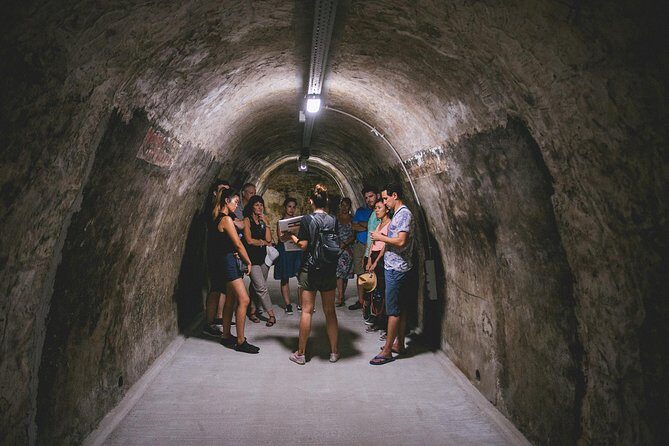
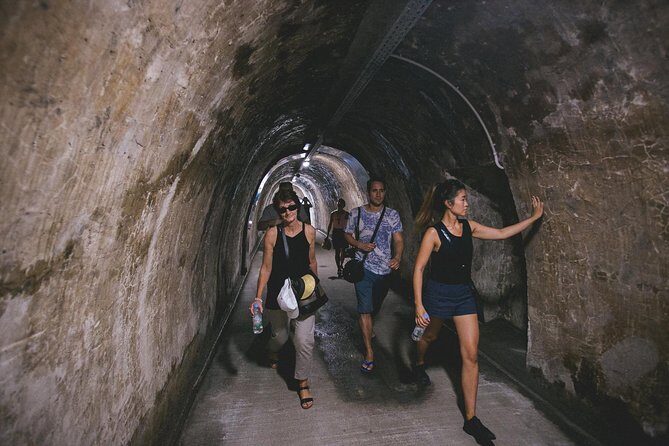
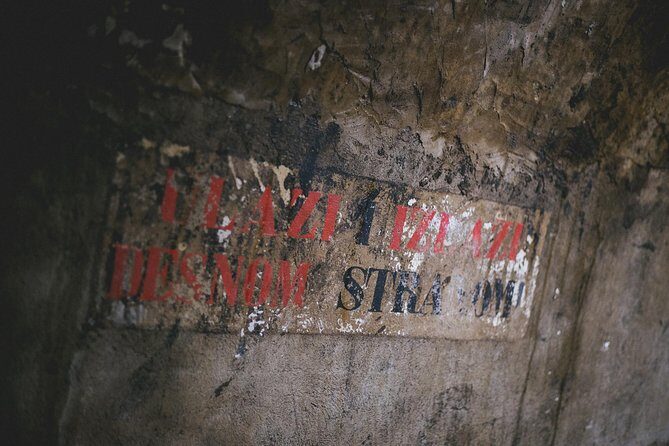
Tunel Gric is the tour’s most dramatic stop. You go underground into World War II-era tunnels, including a basement area used as a shelter during air raids on Zagreb. That shift from street level to subterranean space changes your sense of the story instantly.
This stop is also where the tour connects wartime experience to the later political era. You’ll hear about life during the communist period in Zagreb, which gives the tour its “Communism” side without ignoring the war reality that came before it.
Timing-wise, this is about 1 hour. The admission is listed as free for the tour’s visit window, which is a big value boost: you’re paying for guided context, not a separate entry fee.
One important consideration: tunnel access isn’t included during public events in the tunnels and during the Christmas Market. If your trip overlaps with those periods, you might need to accept that the underground component could run differently, even though the tour keeps its overall structure.
Stop 3: Kaptol basements and the multimedia exhibition on Yugoslavia’s fall
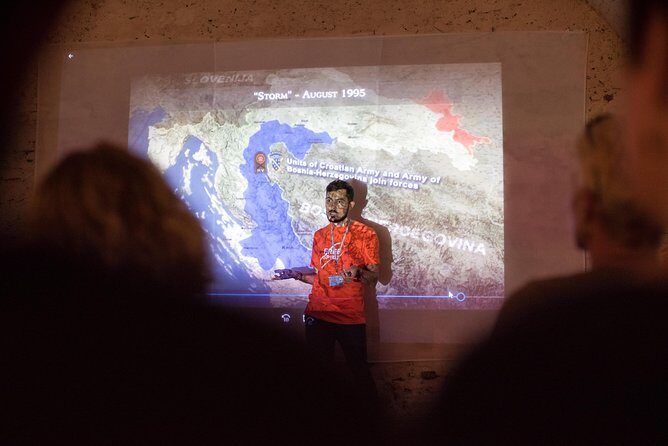
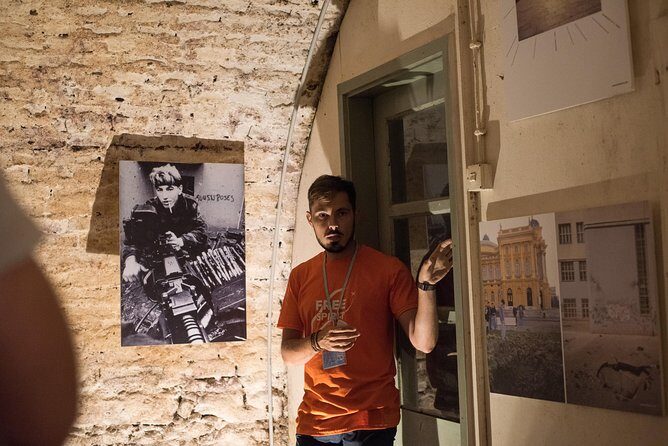
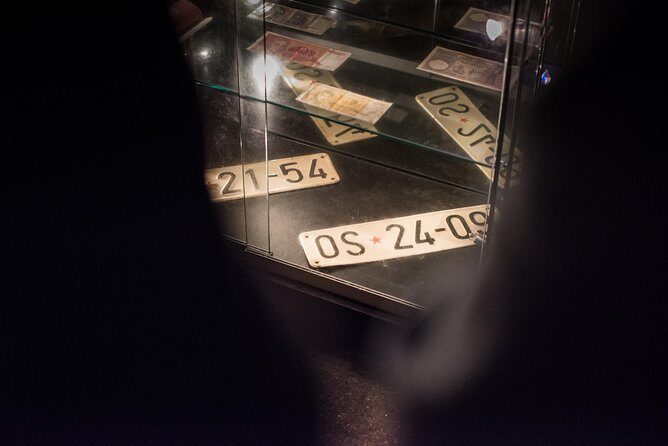
After Tunel Gric, the tour moves to Kaptol, where you’ll spend about 1 hour. Here you visit a basement used as a bombing shelter and learn more about the fall of Yugoslavia through a multimedia exhibition.
This stop is valuable because it bridges the gap between earlier wartime survival and the later breakdown of larger political structures. Instead of staying stuck in one era, you get a thread that runs from bomb shelters and occupation into the late-20th-century collapse that set the stage for the Croatian Homeland War.
Again, admission is listed as free for this tour’s included visit time. And because the format is multimedia, the guide can connect names, places, and political change without forcing you to rely only on verbal explanation.
If you learn best when history comes with visuals and structure, this part of the tour should work well for you.



The Croatian Homeland War presentation and why the finale sticks
Beyond the physical stops, the tour includes a multimedia presentation about the Croatian Homeland War. That matters because this era (1990–1995) can feel abstract if you only hear it as dates. The media format helps turn it into a story you can follow.
The tour also ends with a short video-style finale focused on Croatia’s war of independence in the 1990s. It’s sobering material, but it’s also part of why people rate this tour so highly. You finish with a clearer picture of what the conflict changed for ordinary people.
From a “learning” standpoint, this structure is effective: you’ve seen survival under bombing, then you’ve heard about political change, and then you land in the conflict itself. It’s like the guide is building a ladder from everyday life upward into the bigger events.
It’s also a good sign that the tone is generally presented as educational and anchored in material, not just emotional storytelling. Some guides on this tour are known for using maps, visuals, and even family anecdotes as context—without turning it into pure opinion.
Price and value: $47.16 for a guided story-heavy 2 hours
At $47.16 per person, this isn’t a “cheap-and-fast” tour. But it also isn’t priced like an all-day museum day. For the time, you’re getting several distinct components in one loop:
- A guided walk through major city context
- Tunel Gric underground tunnel time
- A Kaptol basement bombing-shelter visit with multimedia support
- A Croatian Homeland War multimedia presentation
Because the tour lists tunnel/basement admissions as free for the included visit times, you’re mostly paying for interpretation—someone to help connect what you’re seeing to the broader Croatian and Balkan story. For many travelers, that’s the real value of a history tour: not the locations themselves, but the clarity you get while standing in them.
It’s also a small-group experience (max 20), which usually helps the guide keep things moving and answer questions without rushing you. If you’re the type who likes to ask follow-ups, that matters.
Who this tour suits best (and who should rethink it)
This is a strong match for you if you want more than quick sightseeing in Zagreb. You’ll enjoy this tour most if you’re curious about how Croatia’s 20th-century story connects across WWII, communism-era life, and the early 1990s war.
It can also work for a lot of ages, since guides often pace the tour and use visuals to keep explanations clear. Some guides (like Ivana and Luka) are praised for being organized and engaging, and Darko is noted for bringing humor while still treating the topics seriously.
That said, it’s not for you if you want a purely upbeat city stroll. Expect heavy themes—bombings, war, political upheaval—and a learning format that moves quickly through complicated history. If that sounds draining, you might prefer a lighter “Zagreb basics” walk first, then come back later with a museum visit.
Practical tips for a smoother, more comfortable visit
A few practical pointers will help you get the most out of the tour:
- Wear comfortable walking shoes. You’re moving through multiple stops on foot.
- Bring water and plan for weather changes; some explanations happen while you’re waiting outdoors between locations.
- Since you’ll go into underground spaces, it’s smart to be ready for cooler air and tighter areas.
- If you’re sensitive to intense subject matter, tell yourself that the WWII and 1990s segments will be emotional.
One more useful detail: the tour is in English, and the provider uses a certified local guide with 500+ tours experience. That kind of repetition usually means better pacing and fewer awkward pauses.
Should you book the Communism & Croatian Homeland War Tour?
If you want Zagreb with context—and you don’t mind history that gets serious—this is an easy yes. For the price, you’re getting more than a walking tour: you’re getting underground shelter experiences plus multimedia explanations that tie WWII, communism-era life, and the Homeland War together in one coherent run.
I’d skip it only if you’re looking for a relaxed, casual city highlight loop. The tour is designed for people who want names, timelines, and meaning, not just photos.
If your travel window lines up with the tunnel’s included visit times (and not a public event or Christmas Market), book it early. This kind of small-group, story-heavy tour tends to fill in advance.
FAQ
How long is the Communism & Croatian Homeland War Tour in Zagreb?
The tour is listed at about 2 hours (approx.), and the full experience can feel closer to a longer, guided pacing once you factor in the multimedia and the walking time.
What time does the tour start?
Monday to Saturday it starts at 3:00pm. On Sundays it starts at 11:00am.
Where does the tour meet?
You meet at the Ban Josip Jelačić Statue, Trg bana Josipa Jelačića 15, 10000 Zagreb, Croatia.
Does the tour include Tunel Gric and Kaptol?
Yes. It includes a visit to Tunel Gric (WWII underground tunnels and shelter basement) and then Kaptol (a bombing shelter basement with a multimedia exhibition).
Is the ticket admission included for the tunnels and basements?
Admission tickets for the listed stops are marked as free, and the underground tunnels/basement visits are included as part of the tour (with one timing note during public events).
What’s included beyond the walking stops?
You get guidance by a certified local guide, a multimedia presentation about the Croatian Homeland War, plus the WWII underground tunnel/basement visits (not included during public events in the tunnels and the Christmas Market).
What language is the tour offered in?
The tour is offered in English.
How big is the group?
The tour has a maximum of 20 travelers.
What’s the cancellation like?
Free cancellation is available up to 24 hours in advance for a full refund, based on local time.
Is it suitable for kids?
Children must be accompanied by an adult, and most travelers can participate.