REVIEW · ZAGREB
Zagreb: Small Group Walking Tour City Center and WW2 Tunnels
Book on GetYourGuide →Operated by Petros · Bookable on GetYourGuide
Underground history beats any museum. This 2.5-hour small-group walk strings together Zagreb’s main squares, Dolac Market, Gradec viewpoints, and the Grič WWII tunnel.
I love how the guide connects what you see to how Zagreb actually became Zagreb. I also love the pace: you hit the big classics (Cathedral, St Mark’s, Stone Gate) without feeling like you’re sprinting from postcard to postcard.
One thing to consider: the WWII tunnel can close if there’s an event inside, so you might lose that specific stop on some days.
In This Review
- Key highlights at a glance
- Before You Go: What This 2.5-Hour Walk Really Covers
- Starting at Zrinjevac: The Best Zagreb “Welcome” Point
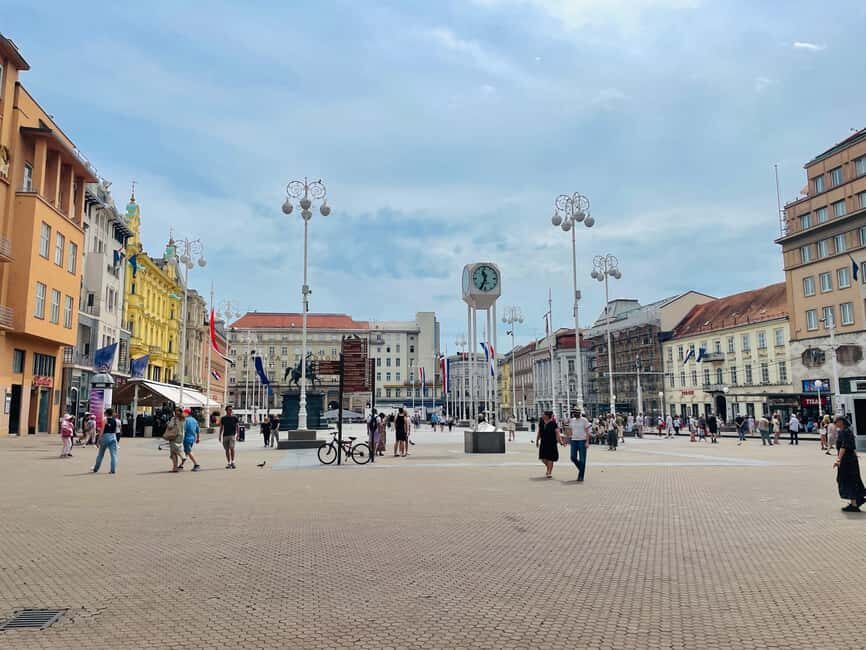
- Ban Jelačić Square to the Cathedral: How Zagreb Found Its Name
- Dolac Market and Tkalčićeva Street: Everyday Life, Not Just Architecture
- Grič WWII Tunnel: The Moment You Feel Under Zagreb
- Climbing Into Gradec: Strossmayer Promenade and Rooftop Views
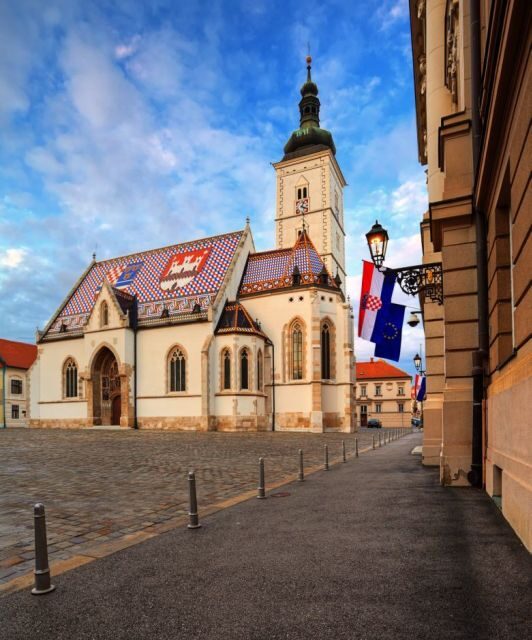
- St Mark’s Church, the Museum of Broken Relationships, and the “Postcard Roof”
- Stone Gate and the 14th-Century Pharmacy: Tangible Old Town History
- Witchcraft, Hidden Stops, and Ending Back at the Main Square
- Price, Pacing, and Small-Group Comfort: Is $23 Worth It?
- Funicular Reality Check: Great Nearby View, Closed for Renovations
- Who Should Book This Zagreb Walk (and Who Might Pass)
- Should You Book This Zagreb City Center and WWII Tunnels Tour?
- FAQ
- How long is the Zagreb city center and WWII tunnels walking tour?
- What does the tour include?
- Is the tour offered in English?
- Where does the tour start and end?
- Do you visit Dolac Market and St Mark’s Church?
- Is the funicular part of the tour?
- Is this tour suitable for wheelchair users?
- What if the WWII tunnel is closed?
Key highlights at a glance
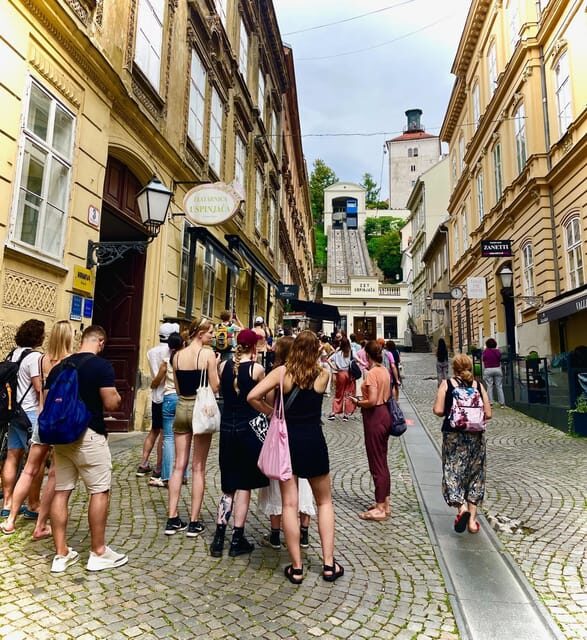
- Small-group feel that makes it easier to ask questions and get personal context
- One route, many eras from medieval roots to wartime shelters
- Grič tunnel visit as a real-world “below the city” moment
- Gradec panoramas from Strossmayer Promenade plus Lotrščak Tower
- Iconic landmarks, explained including St Mark’s Church and the Stone Gate
- Personal local details like everyday habits on Tkalčićeva Street
Before You Go: What This 2.5-Hour Walk Really Covers
This isn’t a long, meandering Zagreb day. It’s a tight, well-paced circuit that helps you get oriented fast. In just 2.5 hours, you’ll see the city center’s core landmarks and then rise into Upper Town (Gradec) for the views that make Zagreb feel like a city of rooftops.
The heart of the tour is the balance. Yes, you’ll walk through the usual must-sees like the Cathedral and St Mark’s Church. But the route also forces you to notice things most self-guided strolls skip: the symbolism behind the cathedral, the practical rhythm of Dolac Market, and how the WWII tunnels shaped daily life in wartime Zagreb.
Price-wise, $23 is solid for what you get: a licensed local guide, a structured walking route, and access to the WWII tunnel component. You’re paying for interpretation, not just foot traffic. If you like turning sights into stories you can remember, this is a good value.
Other WW2 Tunnels tours we have reviewed in Zagreb


Starting at Zrinjevac: The Best Zagreb “Welcome” Point
The tour starts at Trg Nikola Šubić Zrinski 2, inside Park Zrinjevac, next to the meteorological display on the park’s north side. It’s an easy landmark to find, and it’s a fitting first stop because Zrinjevac feels like a calm reset before the historic bustle.
From here, you head into the city’s main square area and begin building the timeline in your head. The guide uses this early stretch to set expectations: Zagreb isn’t just one old town. It’s shaped by different layers—medieval settlements, later expansions, and the kind of wartime decisions that left physical traces underground.
Photo stops matter on this tour. Several early stops include a short guided segment and time to look around. That’s useful in Zagreb, where details can be easy to miss at street speed—like how one square frames another, or where a landmark sits in relation to the markets and the uphill Old Town.
Ban Jelačić Square to the Cathedral: How Zagreb Found Its Name
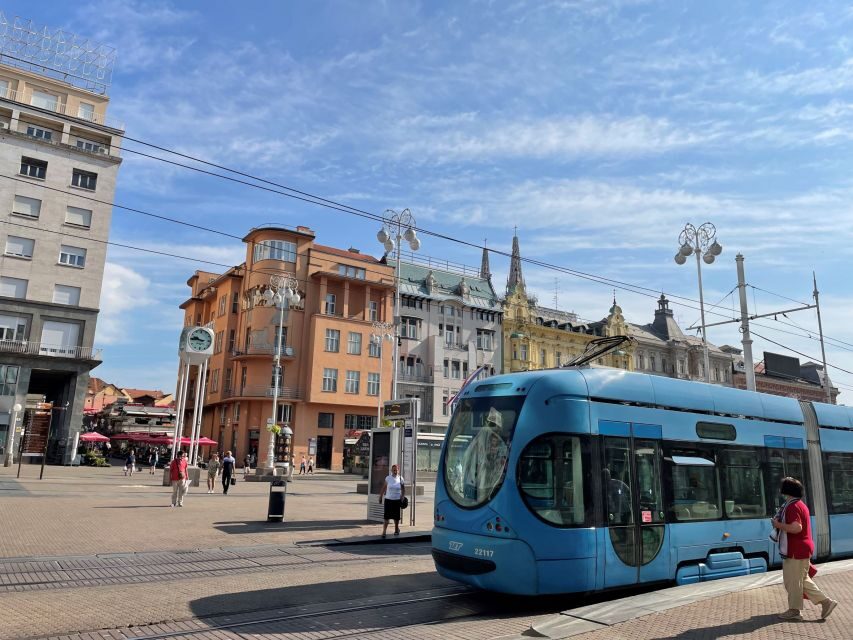
Next up is Ban Josip Jelačić Square. This is where you’ll get a clean orientation point and the kind of story that helps the city click. The guide explains how Zagreb got its name—one of those facts that sounds simple until it’s tied to the city’s bigger identity.
Then you move to the Cathedral of Zagreb, officially the Cathedral of the Assumption of the Blessed Virgin Mary. This stop is short—about 15 minutes—but it’s not shallow. You’ll hear about the cathedral’s origins and the difficulties it sustained, plus the fact that it required renovation. That matters because it changes the way you look at the building. Instead of seeing a single impressive structure, you start noticing the idea that the city had to rebuild itself.
Practical tip: the cathedral is an anchor sight. If you’re only in Zagreb for a limited time, this is one of the places you’ll feel glad you didn’t skip.
Dolac Market and Tkalčićeva Street: Everyday Life, Not Just Architecture
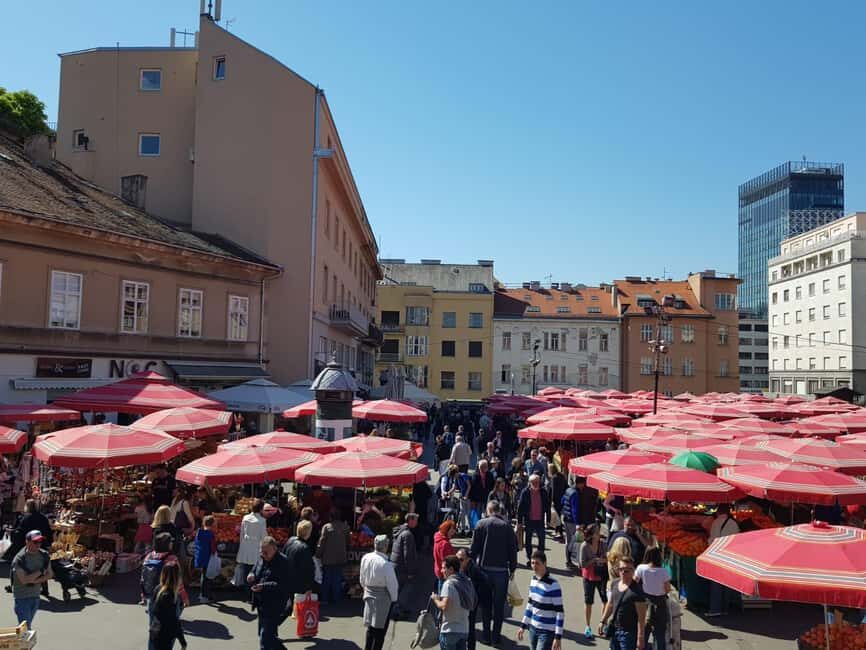
From the cathedral, the tour moves into Dolac Market, often called the belly of Zagreb. You’ll spend about 15 minutes there, and the guide uses the market to explain day-to-day rhythms—how people shop, how the city eats, and why this spot is more than a tourist photo area.
A key consideration: Dolac Market is closed in the afternoon and on public holidays. So if your schedule puts you there late in the day, you might not get the full market vibe. If the tour is available in the morning, that’s the safer bet for seeing the market in action.
After Dolac, you head to Tkalčićeva Street, known as the bar street, where there’s always a stream of people. The guide adds local flavor here by talking about habits—things like the philosophy of lounging. That may sound light, but it’s exactly the kind of everyday detail that helps you stop treating Zagreb as only a museum of buildings.
Grič WWII Tunnel: The Moment You Feel Under Zagreb
Then comes the stop that gives this tour its edge: the WWII tunnel visit at Grič Tunnel. You get about 20 minutes here, including a guided walk and time to look around.
This is one of those experiences where the timing and the setting really matter. The guide frames the tunnel as part of how Zagreb endured wartime conditions, so you don’t just see a dark space—you understand what survival infrastructure meant to real people.
Important: the WWII tunnel may be closed to visitors if there’s an event happening in it (like an exhibition or theatre show). If that happens, the tour may not be able to visit the tunnel. When that stop is available, it’s the part you’ll remember most—because it’s physically under your feet, not just described in words.
If you’re sensitive to enclosed spaces, you might want to consider this ahead of time. The tour doesn’t list it as a long tunnel experience, but you are still moving through a historic underground site.
Other Upper Town & Old Town walks in Zagreb




Climbing Into Gradec: Strossmayer Promenade and Rooftop Views
After the tunnel, you continue toward the Upper Town (Gradec). There’s a short scenic stretch with about 5 minutes of guided walking/views on the way, which is exactly enough time to notice how the terrain changes the city’s feel.
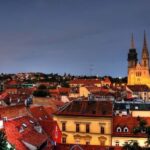
You’ll reach Strossmayer Promenade, one of the best places for panoramic views of Zagreb rooftops. This stop is the reward for the climb. It also helps you connect earlier sights—squares below, markets in the middle, and the old settlement above. Zagreb starts looking like a layered map instead of random landmarks.
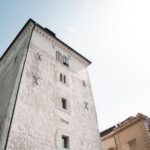
Next you’ll stop at Lotrščak Tower, with about 20 minutes for the guided portion and photos. This is where the guide’s storytelling becomes useful again: the tower isn’t just a tower. It’s part of the way Zagreb protected itself and watched over the city.
St Mark’s Church, the Museum of Broken Relationships, and the “Postcard Roof”
From Gradec, you’ll experience a few more classic hits in a tight sequence.
You’ll pass by the Museum of Broken Relationships for about 10 minutes. It’s not a deep, timed museum visit here; it’s more of a landmark stop—enough to orient you if you want to come back later on your own.
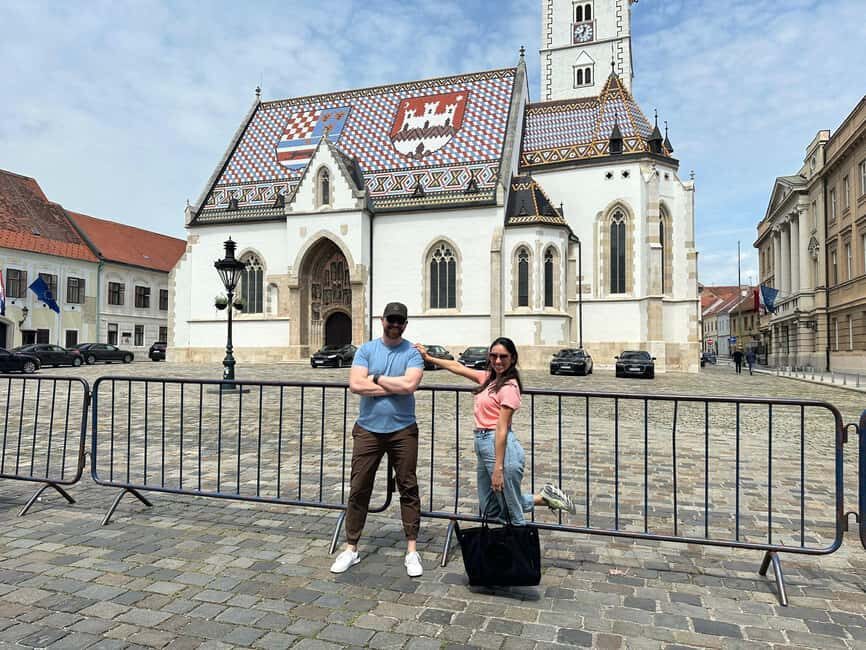
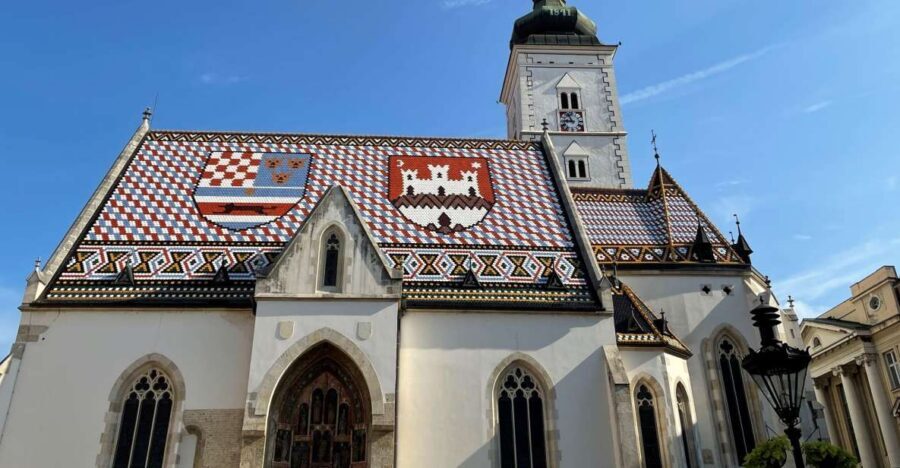
Then comes St Mark’s Square and St Mark’s Church. You’ll spend about 15 minutes here, including guided time and photo stops. The church’s picturesque rooftop is the postcard image most often associated with Zagreb, and the guide’s explanations make the roof feel less like decoration and more like a symbol of civic identity.
If you’ve been collecting postcard roofs in Europe, this is one you’ll understand better after the tour. That’s the difference a guide makes when time is short.
Stone Gate and the 14th-Century Pharmacy: Tangible Old Town History
The tour wraps the Upper Town story by descending again through old defensive landmarks.
You’ll visit the Stone Gate, part of the city walls and noted as the only gate that has survived. The tour spends about 10 minutes here, including guided time and photos.
Inside the Stone Gate is a small chapel housing a miraculous picture depicting Our Lady, the patron saint of Zagreb. That’s the kind of detail you would likely miss without help. It also gives context to why the gate isn’t only an architectural remnant—it’s still tied to local identity.
From there, the route includes a stop at the oldest pharmacy in Zagreb, dating from the 14th century. It’s a small but fascinating moment because it shows the city wasn’t only building cathedrals and towers. It also had long-running services—medicine, care, and the practical side of urban life.
Witchcraft, Hidden Stops, and Ending Back at the Main Square
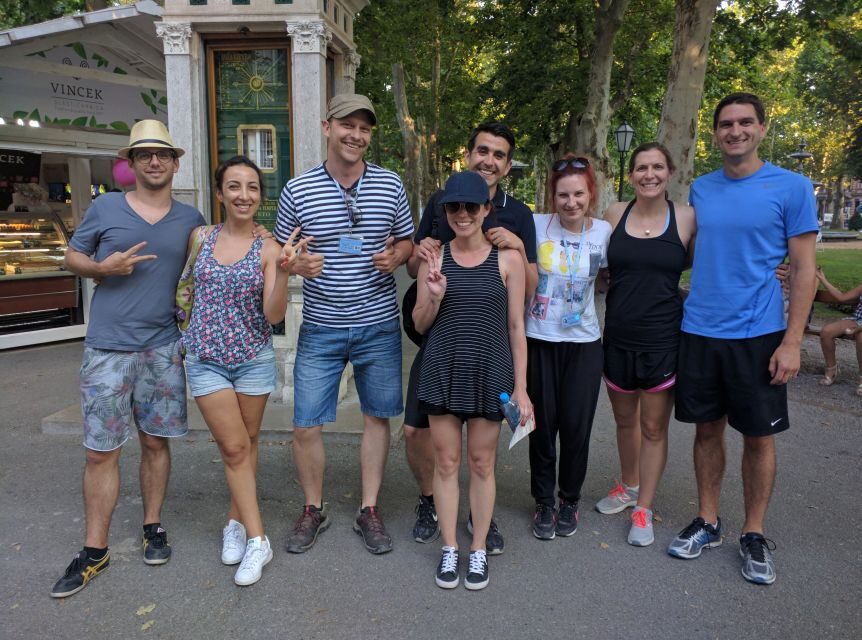
After the core old town circuit, the guide shifts tone slightly into local lore. You’ll get a short segment where the guide talks about witchcraft and shows less-obvious corners of the city.
There’s also a secret stop (pass by for about 5 minutes). This is one of those things that makes the tour feel less like a rigid checklist. You’re still seeing the headline sites, but you get a little extra personality thrown into the route.
The tour ends back at the main square area, around Trg bana Josipa Jelačića, 10000, Zagreb, with the final goodbye at the same area you started from.
Price, Pacing, and Small-Group Comfort: Is $23 Worth It?
For $23 per person, you’re getting:
- A licensed local guide
- A structured route through major sights
- A WWII tunnel visit (when it’s open)
- A small-group walking format
That’s not an expensive day in Europe, especially because the guide isn’t just pointing. The tour leans on interpretation: why landmarks matter, what events shaped the city, and how modern Zagreb lives beside all that older structure.
The pacing also matters for value. A 2.5-hour walk is long enough to be meaningful, short enough that you won’t burn your whole day. You’ll also save time trying to figure out what to see first.
Based on what stands out from the experience quality—guides who weave history, culture, and day-to-day habits into one story—this is the kind of tour where the guide’s style becomes part of the “product.” Some guides you may see on this route include Petra and Tom, and their strength tends to be storytelling that connects architecture and everyday life.
Funicular Reality Check: Great Nearby View, Closed for Renovations
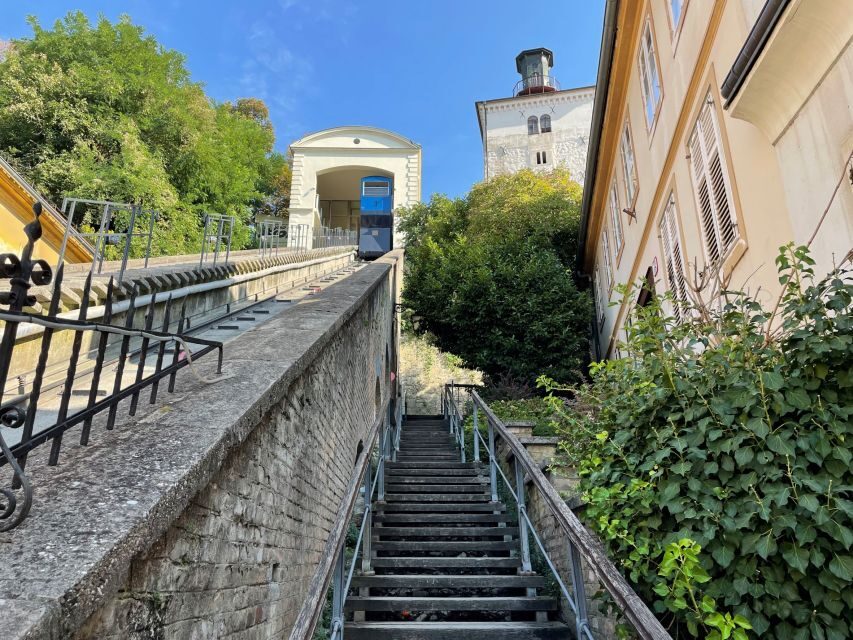
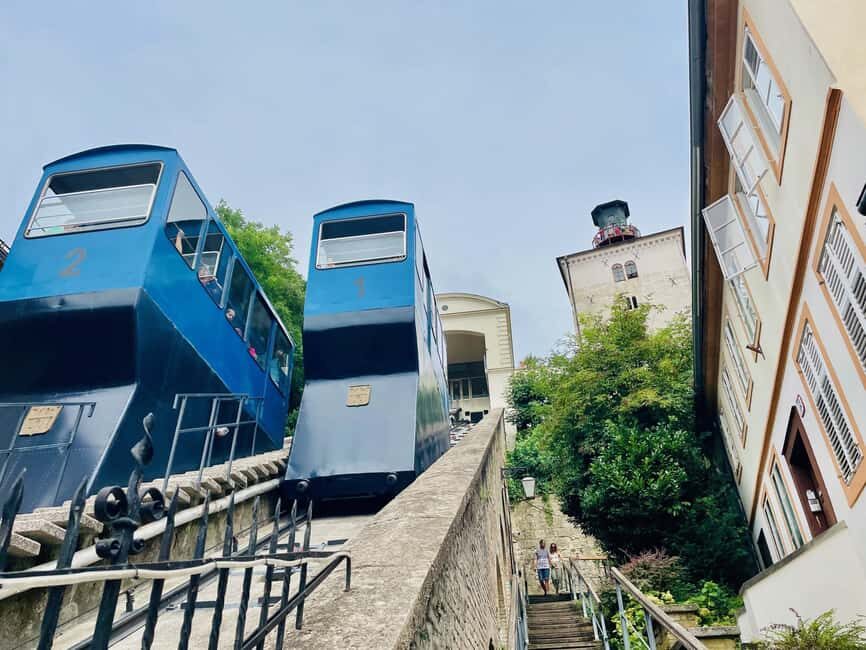
You’ll have a short stroll near the funicular, described as the oldest form of public transportation in Zagreb with over 135 years of bringing joy to citizens. The catch: the funicular is closed due to renovation until March 2026.
So what does that mean for you? You’ll likely see the funicular area from the outside, and the guide can frame what it means for the city. But you shouldn’t plan on using it during this walk. You’re still doing the legwork—walking between the city center and the Upper Town views.
If you want to do the funicular later (when it reopens), this tour is a handy way to learn where it fits in the geography.
Who Should Book This Zagreb Walk (and Who Might Pass)
You’ll like this tour if:
- You’re in Zagreb for a short time and want a smart, guided orientation
- You want the WWII angle, not just a standard city highlights walk
- You enjoy history explained through real places, not dates in a list
- You like a small-group setting where questions don’t get ignored
You might skip or adjust plans if:
- You’re counting on the WWII tunnel stop but you’re traveling on a day with events where it could close
- You need wheelchair access. The tour is listed as not suitable for wheelchair users, likely because of walking surfaces and steps in older streets.
Also, bring a water bottle. The tour doesn’t include food or drinks, and you’ll be on your feet for the full circuit.
Should You Book This Zagreb City Center and WWII Tunnels Tour?
I’d book it if you want a high-return Zagreb day: major sights, Gradec panoramas, and the WWII tunnel in one guided sweep. The $23 price feels fair because you’re not just paying for movement—you’re paying for context that helps you see Zagreb as a living place, not a scrapbook.
I’d book with one caution: the WWII tunnel is sometimes closed for events. If that stop is your top priority, check availability and be ready to shift your day if the tunnel can’t be visited. Even with that caveat, the route still covers enough headline sights—Cathedral, Dolac, St Mark’s, Stone Gate, and the oldest pharmacy—to make the walk worthwhile.
FAQ
How long is the Zagreb city center and WWII tunnels walking tour?
It lasts about 2.5 hours.
What does the tour include?
It includes a licensed local guide and a walking tour. You’ll also visit major sights in the old town and the WWII tunnels, when open.
Is the tour offered in English?
Yes, the guide leads in English.
Where does the tour start and end?
It starts at Park Zrinjevac (Trg Nikola Subic Zrinski 2) near the meteorological station display. The tour ends back at the main square area (Trg bana Josipa Jelačića).
Do you visit Dolac Market and St Mark’s Church?
Yes. Dolac Market and St Mark’s Church are included as stops during the walk. Note that Dolac Market is closed in the afternoon and on public holidays.
Is the funicular part of the tour?
The funicular is nearby and mentioned, but it is currently closed for renovations until March 2026.
Is this tour suitable for wheelchair users?
No. It is listed as not suitable for wheelchair users.
What if the WWII tunnel is closed?
The WWII tunnel may be closed to visitors if there is an event inside it. If that happens, it won’t be possible to visit the tunnel.