REVIEW · ZAGREB
World War II Zagreb, Croatia between communists, fascists and “ordinary” people
Book on Viator →Operated by Netragom obrt, vl. Samia Zitouhni · Bookable on Viator
History in Zagreb has sharp corners. This WWII walking tour traces how the city changed from 1939 to 1948, step by step, from the modern parts built just before the war into the historical center. You’ll hear about the clash between communists, fascists, and the everyday people caught in the middle, with a guide who keeps the focus on real choices and real consequences.
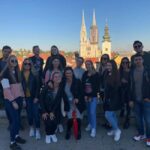
I love the small group size (maximum 12). It makes the questions and discussion feel human, not like you’re streaming past bullet points. I also like the interactive start at Mestrovicev Paviljon, where you don’t just listen—you participate in a thinking exercise about what people do when they can’t fight and can’t escape.
One consideration: this is serious WWII material. Expect to walk for about 2 to 3 hours with moderate fitness, in all weather, in a route that ends near Studentski centar (Trešnjevka – sjever). If you want something light and breezy, this won’t be it.
In This Review
- Key things to know before you go
- From Trg Žrtava Fašizma to the WWII story in street form
- The Mestrovicev Paviljon stop: an interactive start, not a lecture
- How the guide turns 1939–48 into choices people actually faced
- Concentration camps in your walking route: why the places matter
- Timing, pacing, and what “moderate physical fitness” really means
- Price and value: what you’re paying for (and what to budget)
- How often it runs and how to choose your day
- Who this WWII Zagreb tour is best for
- Should you book this WWII Zagreb tour?
- FAQ
- How long is the World War II Zagreb tour?
- What is the price per person?
- Is transportation to and from the sights included?
- Where does the tour start and end?
- What’s included in the ticket?
- Is the Mestrovicev Paviljon admission ticket included?
- How often does the tour depart?
Key things to know before you go
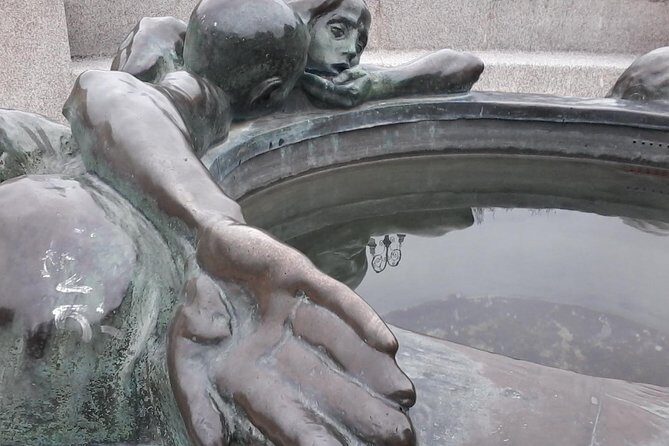
- Interactive first stop at Mestrovicev Paviljon: you’ll take part, and the guide sets it up so you consider how people survive impossible conflicts.
- A route that moves from pre-war Zagreb to the historical center: the geography helps you understand how the city shifted during WWII.
- Stories grounded in 1939–48: the guide connects historical figures and events to daily life and difficult decisions.
- Focus on ordinary people, not only leaders: resistance, pressure, and fear are treated as lived experiences.
- Maximum 12 travelers: better for questions and a more respectful pace through heavy topics.
From Trg Žrtava Fašizma to the WWII story in street form
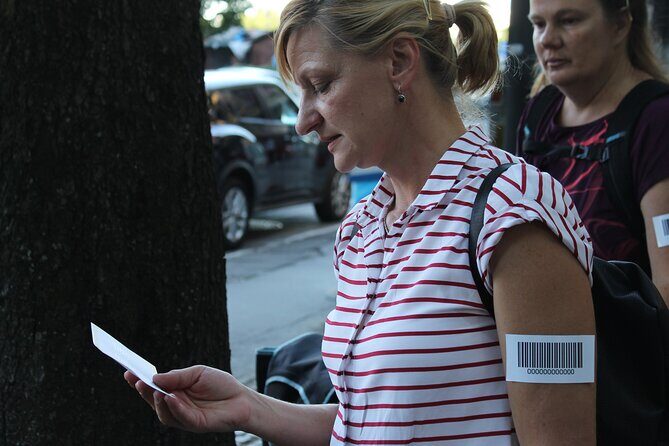
This tour starts at Trg Žrtava Fašizma in central Zagreb. The square name alone sets the tone: you’re not touring WWII as an abstract timeline. You’re walking through a city where people were mobilized, separated, and sent away, and where the official history can’t fully cover what individuals faced.
You’ll begin in modern parts of Zagreb that were shaped right before the war, then work your way toward the historical center. That shift matters. Modern areas tend to feel more orderly, more planned. The older center feels more layered and tangled—like the city already had roots deep enough that the war could spread into daily life.
The guide frames the conflict around the competing forces of communists, fascists, and the “ordinary” people living under that pressure. Instead of treating WWII as one side winning cleanly, you’re nudged to notice how the same city could pull people in opposite directions. It’s the kind of approach that makes you look at streets and buildings like they’re evidence.
Expect discussion as you go. The tour is built around stopping, listening, and then connecting what you learn to what you see right in front of you. You’ll walk outdoors for much of the experience, so dress for wind, sun, or rain. You don’t get to escape the weather.
If you're still narrowing it down, here are other tours in Zagreb we've reviewed.

The Mestrovicev Paviljon stop: an interactive start, not a lecture
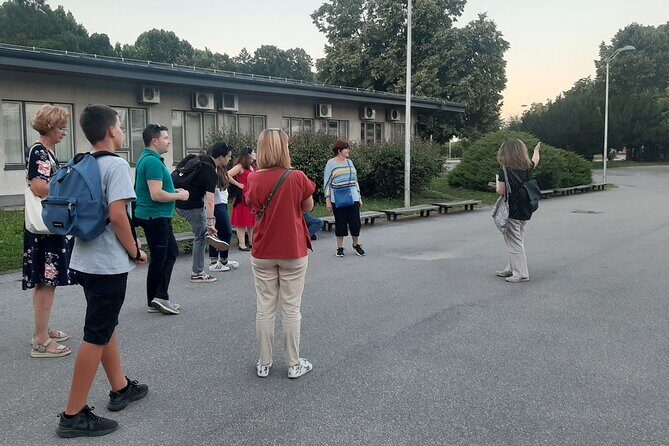
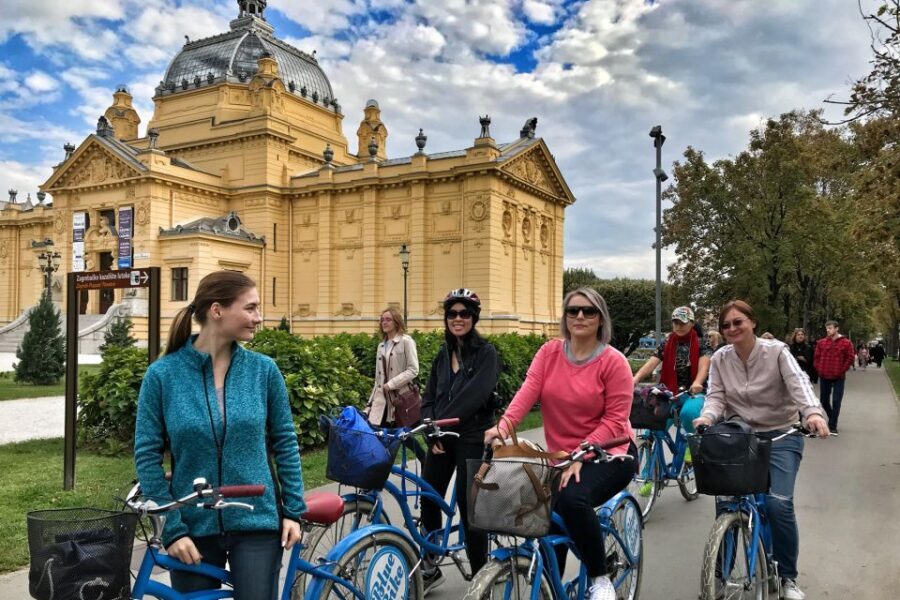
Stop 1 is Mestrovicev Paviljon – Croatian Association of Artists. This is the part I’d call the tour’s “attention grabber,” because it doesn’t start with facts alone. It starts with an exercise.
You’ll do an interactive walk—meaning you participate, not just watch. If you need them, bring reading glasses. That small detail tells you the guide expects you to use what’s in front of you, not just hear a story floating overhead.
The theme is uncomfortable in a good way: how people think when the world becomes “sides.” The guide pushes the question of how many sides a conflict has and whether WWII truly breaks down into black-and-white choices. Then comes the key angle: what do you do if you can’t fight and you can’t escape? And this isn’t presented as a video game or a harmless simulation. It’s designed to keep the focus on real human limits—fear, coercion, and the narrowing of options.
One practical note: the admission ticket for this stop is not included. So you’ll want to plan for that extra cost when you arrive. It’s also why I like this first stop so much for first-time Zagreb visitors: you get something memorable right away, before the route settles into a heavier rhythm.
How the guide turns 1939–48 into choices people actually faced
This tour covers WWII-era Zagreb across 1939–48, with the guide bringing in historical figures and events as you move between sites. The dates matter because they reflect how long the pressure lasted. WWII in a city isn’t only the invasion headlines. It’s also the years when people adjust, adapt, comply, resist, or try to stay alive.
The storytelling approach is built around the idea that politics still runs through ordinary routines. That means you’ll hear about people who were not famous enough to end up in textbooks, but who still made decisions under extreme constraints. The guide doesn’t treat resistance as a simple heroic label. Instead, it’s framed as something harder—something mixed with risk, uncertainty, and the real cost of getting it wrong.
You’ll also hear how the conflict wasn’t just “forces battling each other.” It was also a tug-of-war over where civilians could stand—sometimes literally over what they had to do next. When a guide keeps returning to the question of what people can do when they are trapped, the tour becomes more than a history walk. It becomes a lesson in how quickly freedom can shrink.
If you’re the kind of traveler who likes your history tied to human scale—who wants to understand motives, fear, and pressure—this is a strong match. It’s also good for readers who find pure military history dry. Here, the facts matter, but the way they’re delivered aims at your empathy.
Concentration camps in your walking route: why the places matter
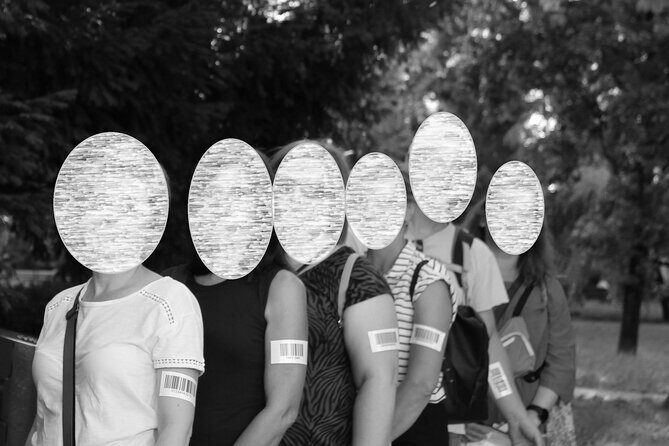
The route isn’t only about where battles happened. It’s about where residents were assembled and taken to concentration camps. The tour moves through places where those processes played out, and at each stop, the guide explains the relevant context.
This is one of the tour’s core values: it treats geography as part of the story. When you hear about concentration camps, your brain may jump to distant sites. This tour brings the attention back to Zagreb—how forced movement began with local steps: gathering, registering, transporting. Those details can be chilling, because they show the machinery of violence doesn’t appear out of nowhere.
Now, a heads-up that keeps expectations realistic: the exact sites beyond the Mestrovicev Paviljon stop aren’t listed in the info I have here. That means you should be prepared for a route with multiple stops where you may not recognize every location as a memorial at first glance. The guide’s explanations are what give each stop its meaning.
If you want a tour that connects “big events” to “how a city actually worked during those years,” this section delivers. You’re walking through the same urban environment that shaped daily life, only now you’re reading it as a map of decisions and threats.
Timing, pacing, and what “moderate physical fitness” really means
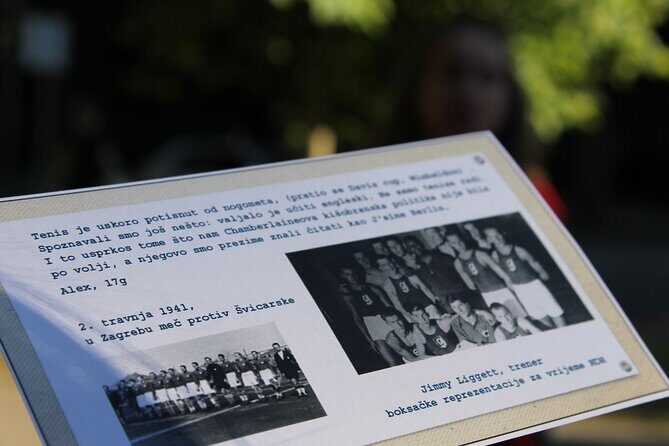
The experience runs 2 to 3 hours. That’s a workable length for most people, but it’s long enough that your legs will feel it—especially if you stop for questions and the weather turns.
The info also says the tour is for travelers with moderate physical fitness. Since it’s an outdoor walking tour in all weather conditions, plan for uneven pavements and some uphill stretches you might not notice until you’re in the middle of them. Wear shoes you trust.
The good news: the maximum group size of 12 helps the pacing. When you’re not in a large crowd, the guide can slow down where it counts and keep the explanations clear.
Also, this is a mobile ticket tour. Have your phone ready at the start. It’s the simple stuff that prevents delays when you’re meeting in a central public square.

Price and value: what you’re paying for (and what to budget)
The tour costs $34.73 per person. That may sound straightforward, but value depends on what’s included and what you’ll still pay separately.
Included:
- Local guide
Not included:
- Transportation to and from attractions
- Admission ticket for the interactive Mestrovicev Paviljon stop
So you’re mainly paying for a guided, narrative walking experience with specific WWII focus. For the price, the biggest value is the combination of:
- a small group (up to 12),
- a guided explanation tied to physical locations, and
- an interactive first stop that asks you to think, not just listen.
If you already like walking tours, this fits your style. If you dislike walking—or if you expect museum-style comfort—this might feel more demanding than you want, especially with weather.
Budget for getting to the meeting point and leaving from the ending point. The end location is Studentski centar, Trešnjevka – sjever, so make sure it lines up with your plans for the next part of your day.
How often it runs and how to choose your day
The tour departs three days a week. The info also says other days may be available on request. That’s helpful if your schedule is tight or you want to pair it with other Zagreb stops.
Because it’s outdoors in all weather conditions, I’d still pick the day based on forecasts and your own stamina, not just availability. Heavy topics can feel longer on a cold, wet day.
Who this WWII Zagreb tour is best for
This is a good fit if you:
- want WWII explained through Zagreb streets and local movement, not only distant battlefields,
- like guides who focus on ordinary people and the pressure around them,
- prefer a small-group format where you can ask questions,
- are comfortable with serious history.
It may be less ideal if you:
- want a light, feel-good tour,
- need very detailed stop-by-stop schedules and fixed landmark names beyond the first stop,
- want extensive indoor time or minimal walking.
Should you book this WWII Zagreb tour?
If you’re serious about understanding WWII Zagreb as a lived experience—where factions competed and civilians had to maneuver—this is the kind of tour I’d put near the top of your list. The mix of a participatory start at Mestrovicev Paviljon and a route that connects everyday space to deportation pathways gives you more than facts. It gives you a way to read the city.
Book it if you’re ready for emotional weight and you’ll dress for walking. Skip it if you’re seeking entertainment or want only a quick overview. In Zagreb, WWII isn’t a sidebar. This tour treats it like the center of the page—one street at a time.
FAQ
How long is the World War II Zagreb tour?
It runs for about 2 to 3 hours.
What is the price per person?
The price is $34.73 per person.
Is transportation to and from the sights included?
No. Transportation is not included.
Where does the tour start and end?
It starts at Trg Žrtava Fašizma, 10000, Zagreb, Croatia, and ends at Studentski centar, 10000, Trešnjevka – sjever, Zagreb, Croatia.
What’s included in the ticket?
The local guide is included.
Is the Mestrovicev Paviljon admission ticket included?
No. Admission for the Mestrovicev Paviljon stop is not included.
How often does the tour depart?
It departs three days a week, and other days may be available on request.