REVIEW · ZAGREB
Zagreb: Skip-the-Ticket-Line Museum of Broken Relationships
Book on GetYourGuide →Operated by Mbr kolektiv d.o.o. · Bookable on GetYourGuide
Love stories, minus the happy ending. That’s the hook of the Museum of Broken Relationships in Zagreb: you walk through a collection of personal objects tied to break-ups, with anonymous notes that explain what happened and how the person coped. I love how small details turn into big feelings, and I also like the way the museum mixes heartbreak and humor so the experience never feels one-note. One consideration: this is a place built for reading, not for big crowds or flashier exhibits.
You’ll get in fast with a skip-the-ticket-line entry, and the staff is there to help if you have questions. I particularly appreciated that the museum captions are offered in Croatian and English, with other languages available through QR codes or booklets, so you can follow along without guessing. If you get lucky and your visit includes a guide like Diana (named in one review), you’ll likely enjoy the extra context, but you can also go at your own pace.
In This Review
- Key Highlights at a Glance
- Zagreb’s Museum of Broken Relationships: What You Really Walk Through
- How Skip-the-Ticket-Line Works in Real Life
- Your 1-Day Plan: A Calm Hour Inside the Museum
- How the Museum Tells Its Story: Objects With Anonymous Notes
- The Emotional Range: Sadness, Humor, and Tiny Moments of Relief
- Practical Stuff That Will Make Your Visit Easier
- The Staff and Group Setup: Helpful, Not Stuffy
- Price and Value: $8 for an Unusual Kind of Museum
- Who Should Go (and Who Might Skip It)
- Should You Book This Skip-the-Ticket-Line Entry?
- FAQ
- FAQ
- What is the Museum of Broken Relationships experience like?
- How much does it cost and how long does it take?
- Is skip-the-ticket-line entry included?
- What languages are available at the museum?
- Is the museum wheelchair accessible?
- Are food, drinks, or large bags allowed?
Key Highlights at a Glance
- Skip-the-ticket-line entry so you can get straight into the stories
- Hundreds of relationship mementos tied to anonymous, handwritten accounts
- A global emotional walk that covers romantic, family, and other kinds of loss
- Mixed tone: some items are surprisingly funny, others genuinely tear-up territory
- About 1 day, around 1 hour-ish depending on how closely you read
- Language support: Croatian/English captions plus QR codes/booklets for more
Zagreb’s Museum of Broken Relationships: What You Really Walk Through
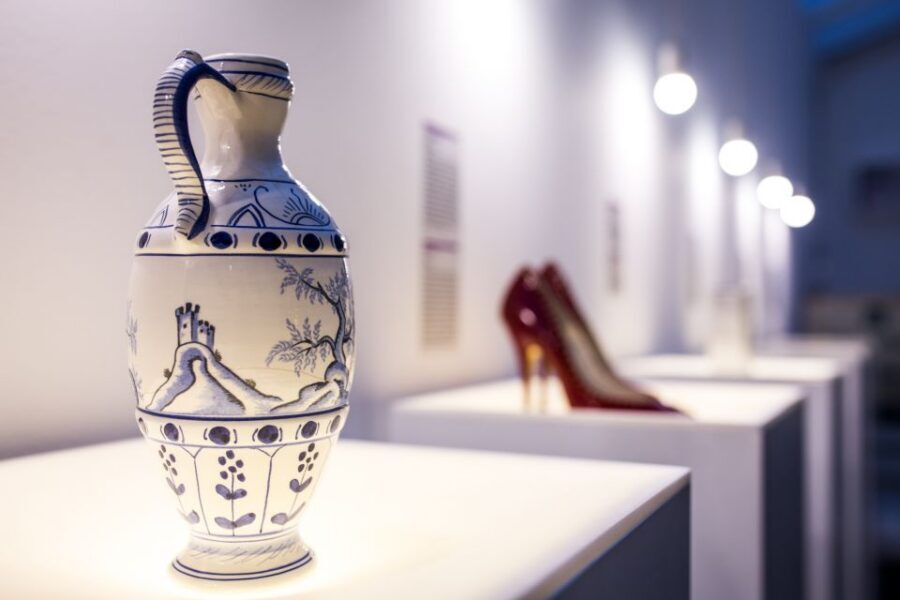
This museum is not like most. You’re not hunting for famous paintings or big-name artifacts. Instead, you’re surrounded by everyday things that somehow became important because a relationship ended. It sounds heavy on paper, but in practice it’s more human than dramatic. You see how love can turn into loss, and how people try to make peace with that.
The museum’s core idea is simple: objects from past relationships come with a personal story, but the person stays anonymous. The result is intimate without being invasive. One minute you’re reading something that feels painfully familiar. The next, you’re laughing at the strange coping strategy someone left behind.
I also like that it’s not only romantic breakups. The stories can include family and other relationships too. That widens the emotional net, so even if your own history doesn’t match the theme, you can still recognize the feelings.
If you're still narrowing it down, here are other tours in Zagreb we've reviewed.



How Skip-the-Ticket-Line Works in Real Life
You’re paying for the convenience of fast entry, and for a museum this size, timing matters more than crowds. A skip-the-ticket-line setup helps when you arrive during busy windows or when you just don’t want to spend your Zagreb time standing around.
That said, a couple of reviews noted that skipping might not be necessary if you’re lucky and it’s quiet. So here’s the practical way to think about it: if your schedule is tight, take the fast entry. If you’re arriving off-peak, you might still be fine buying locally. Either way, the museum experience itself is the main event, and the ticket just gets you there faster.
The museum’s evening closing also affects planning. You’ll want to aim for earlier rather than later, since last entrance is listed at 7:30 PM in summer/fall and 8:30 PM in winter/spring. That last entrance time is the real rule you don’t want to break.
Your 1-Day Plan: A Calm Hour Inside the Museum
This visit is built for one day, but it doesn’t consume your whole schedule. Most people don’t need long hours here; they need time to read and absorb. Reviews and visitor timing in the info point to a range: about 30 minutes if you skim, closer to 1 to 1.5 hours if you actually follow the stories.
Here’s what your visit usually looks like, step by step.
Step 1: Enter and settle into the vibe
You go in, and you’ll see the museum organized as a guided set of objects with captions and stories. Staff are present and friendly, so if something is confusing you can ask rather than wandering in silence.
Step 2: Start reading from the first display
The museum hits you through the text. The objects are the hook, but the emotional punch comes from the contributor’s account. A recurring tip from reviews is to read every description. If you do, you’ll notice the museum isn’t just sad. It’s sad, funny, angry, thoughtful, and sometimes oddly uplifting.
Step 3: Let the stories move across emotions
The collection includes around 100 stories donated from people around the world. As you move through rooms, the tone shifts. Some accounts are straightforward grief. Others are messy, self-aware, or laced with humor. That variation is what keeps the visit from feeling repetitive.
Step 4: Take your time, then finish on your own terms
Because the museum is compact, you’ll likely reach the end sooner than you expect. That’s good for planning: you can pair it with other central Zagreb sights afterward without stress.
How the Museum Tells Its Story: Objects With Anonymous Notes
What makes this place work is the contrast between the object and the account. A broken relationship becomes a museum artifact, but the museum doesn’t turn it into drama or spectacle. The story stays personal, even though the contributor’s identity is hidden.
Expect lots of reading. That’s not a flaw; it’s the whole format. If you’re the kind of traveler who likes to slow down and actually take in details, you’ll get a lot out of it. If you’re in a hurry and want mostly visuals, you might feel like you’re working through text rather than wandering.
The museum also treats everyday life like material worth preserving. You’ll see how someone translated emotion into a physical item and then handed it over to help strangers process their own loss. It’s a quiet kind of closure—without pretending closure is clean.
One extra layer: visitors describe the museum as intimate enough to feel personal. That’s the strange magic here. You’re not sharing your story, but you’re still connected to the feeling behind it.
The Emotional Range: Sadness, Humor, and Tiny Moments of Relief
A lot of museums deal in one emotion. This one plays the full catalog. Reviews repeatedly describe a mix of sadness and humor, and that’s exactly the balance that makes the museum memorable.
You might find stories that make you teary. You might also hit displays that feel surprisingly wry—like someone turned heartbreak into an inside-joke with the universe. Even when the subject matter is painful, the museum doesn’t force you to stay in one mood. That’s why people often call it disturbing and touching in the same breath, or sad and unexpectedly uplifting at times.
If you’ve been through a breakup, the museum can feel like a mirror. But you don’t have to have your heart broken to enjoy it. Some visitors say it’s moving even when they’re not personally in that situation—because it’s really about the human need for love and connection, and the messy fact that things can fall apart.
A few more Zagreb tours and experiences worth a look






Practical Stuff That Will Make Your Visit Easier
Small details matter in a museum built around reading and personal artifacts.
Skip bags and keep it light
Food and drinks are not allowed, and luggage or large bags also aren’t allowed. Plan to bring what you can carry comfortably. If you’re traveling with a daypack, keep it manageable.
Language: Croatian and English on site
Museum exhibit captions are in Croatian and English. If you need another language, it’s available via QR codes or as booklets. This helps you keep moving without getting stuck at the first display that you can’t fully understand.
Accessibility
The museum is listed as wheelchair accessible. Since you’ll be spending time reading, consider bringing any comfort items you use for long periods of sitting or standing.
Last entrance timing
As mentioned earlier, last entrance changes by season. If you’re doing a full day of Zagreb sightseeing, build in buffer time so you’re not rushing at the end.
The Staff and Group Setup: Helpful, Not Stuffy
You’re not joining a huge tour. The setup is limited to small groups of up to 10 participants. In a museum like this, that’s a plus. You can move at your own pace without feeling swallowed by a big crowd.
Staff are described as friendly and willing to answer questions. That matters here because the format is unique. You may want help figuring out the best way to follow the story system or where to start.
One named detail that shows up in the information: Diana is mentioned as a tour guide in a review, described as informative and fun. If that’s your guide, you’ll likely appreciate her energy and the way she adds context without taking over your experience.
Price and Value: $8 for an Unusual Kind of Museum
At about $8 per person, this is priced like an easy add-on—but it doesn’t feel cheap. You’re paying for direct admission to a distinctive concept: personal breakup mementos with stories attached, collected from around the world.
What justifies the price isn’t a big building or famous collections. It’s the emotional labor of reading hundreds of small accounts and the fact that you get a global perspective on loss in a compact time frame. Many visitors also describe the time spent as around an hour (sometimes shorter), which makes it a good value if your Zagreb plan is packed.
Also, this isn’t one of those museums where you feel like you must spend hours to get your money’s worth. If you read the descriptions, you’ll likely feel you got your visit out of it without turning it into a half-day ordeal.
Who Should Go (and Who Might Skip It)
This museum fits best with travelers who like stories, art in everyday objects, and reflection—even if it’s uncomfortable.
You’ll likely enjoy it if you:
- like museums where the meaning is in the text
- want a uniquely Zagreb experience that’s not just history sightseeing
- appreciate humor mixed with sadness
- are open to thinking about love and loss in multiple forms
You might reconsider if you:
- hate reading through captions for more than a few minutes
- are looking for a large, visually dominant museum
- need a strictly light, upbeat activity (this place can get heavy)
That said, even people who don’t consider themselves sentimental often find the museum worth it because the stories vary so much. You’re not stuck in one emotional lane.
Should You Book This Skip-the-Ticket-Line Entry?
If you’re choosing between time and risk, I’d lean yes—especially if your schedule is tight. The skip-the-line part means you can start sooner and spend more time actually reading.
But here’s the smart decision rule:
- Book it if you want a smooth start and you’re arriving near popular times.
- Skip it (or at least consider it) if you’re flexible and you expect it to be quiet, since some visitors noted they didn’t really need the fast entry.
Also, don’t plan this as a rushed stop with zero buffer. Build in time to sit with the displays. This museum doesn’t reward speed.
If you want one authentic, emotionally honest Zagreb stop that doesn’t feel like a checklist item, this is it.
FAQ
FAQ
What is the Museum of Broken Relationships experience like?
It’s a small museum in Zagreb focused on donated mementos from past relationships, each paired with an anonymous personal story you read as you walk through the exhibits.
How much does it cost and how long does it take?
The price is listed at $8 per person, and the visit is typically around an hour or so depending on how carefully you read the stories.
Is skip-the-ticket-line entry included?
Yes. This experience includes skip-the-ticket-line entry, so you can start the museum visit without waiting in a ticket line.
What languages are available at the museum?
Exhibit captions are available in Croatian and English. Other languages are available via QR codes or as booklets.
Is the museum wheelchair accessible?
Yes, the museum is listed as wheelchair accessible.
Are food, drinks, or large bags allowed?
Food and drinks are not allowed, and luggage or large bags are not allowed inside.