REVIEW · ZAGREB
Zagreb: City and WWII Tunnels Walking Tour
Book on GetYourGuide →Operated by pathfinder TOURS d.o.o. · Bookable on GetYourGuide
Zagreb has a WWII secret you can walk through. I love the way this route blends classic city-center sights with WWII tunnels that add real weight to the walk. I also like that you get both Upper Town viewpoints and Lower Town street life in just 2.5 hours.
One possible drawback: the funicular is closed for renovation until March 2026, and the WWII tunnels and funicular can also be out of service on certain dates. If panoramic views or that tiny ride are the whole point of your trip, check dates closely.
I like that this is an English, live, licensed-guide tour with time to pause for photos and questions. In particular, guides such as Marko, Robert, Lucy, and Iva are described as engaging and easy to follow, which matters when you’re walking and listening at the same time.
In This Review
- Key highlights to look for
- Lower Town to Upper Town: how the walk really feels
- Zrinjevac Park, Bogovićeva Street, and why the route starts there
- Ban Jelačić Square and the Cathedral stop you’ll remember
- Dolac Farmers Market: what to do there during the tour
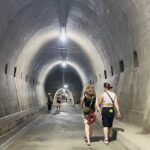
- WWII tunnels: the history portion that changes how you see the city
- Grič Hill panorama time, plus the funicular closure reality
- Upper Town essentials: Lotrščak Tower, St. Mark’s Church, and Stone Gate
- Tkalčićeva Street and the snack planning advantage
- Pacing and comfort: what matters for a 2.5-hour walk
- Price and value: is $23 worth it?
- Who should book this Zagreb walk
- Should you book this tour?
- FAQ
- How long is the Zagreb: City and WWII Tunnels Walking Tour?
- Where do I meet for the tour?
- Is the tour offered in English?
- Is the funicular included, and is it running?
- What is included in the price?
- Is this tour wheelchair accessible and does it run in bad weather?
Key highlights to look for
- Zrinjevac Park start with an easy first photo stop and a smooth start to the day
- WWII tunnels left under the city, giving the walk a story beyond monuments
- Upper Town views from Grič Hill for that classic Zagreb panorama feeling
- St. Mark’s Church, Lotrščak Tower, and Stone Gate in a compact Upper Town loop
- Funicular ride ticket included when operating, plus a short stop that saves your legs
Lower Town to Upper Town: how the walk really feels
This is the kind of walking tour that helps you get your bearings fast. You start in the Lower Town zone and work your way toward the hill areas, so your effort feels purposeful instead of like a random city stroll. The route also mixes open-air squares, market energy, and smaller streets, so you’re not stuck in one type of scenery the whole time.
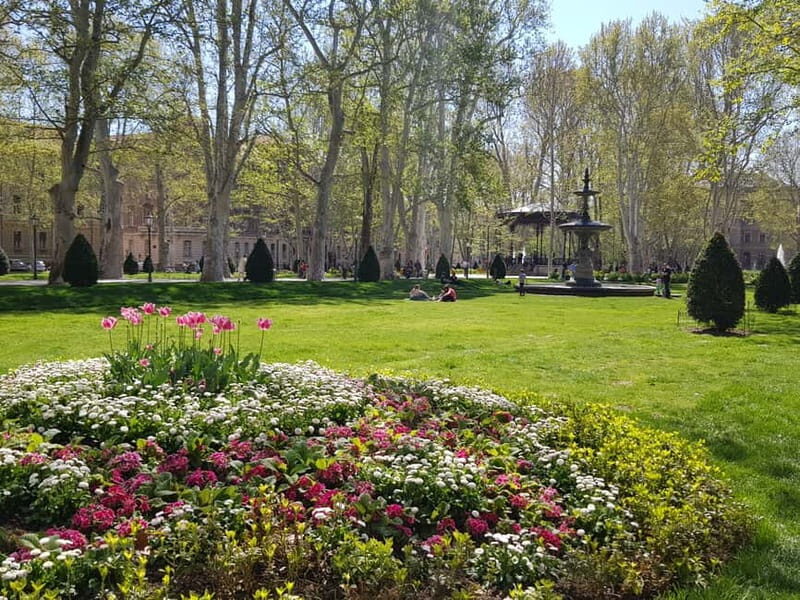
Right away, you’ll get a classic Zagreb first impression at Zrinjevac Park. This is a great spot for quick selfies and a first look around, with the park setting giving you a calmer start before you move into busier streets.
Then you head toward Bogovićeva ulica, a street known for bars and restaurants. Even if you’re not stopping to eat during the tour, it’s useful to know where the evening energy is. You’ll be passing through key “where locals go” territory, and that helps you plan the rest of your trip without guessing.
Other WW2 Tunnels tours we have reviewed in Zagreb


Zrinjevac Park, Bogovićeva Street, and why the route starts there
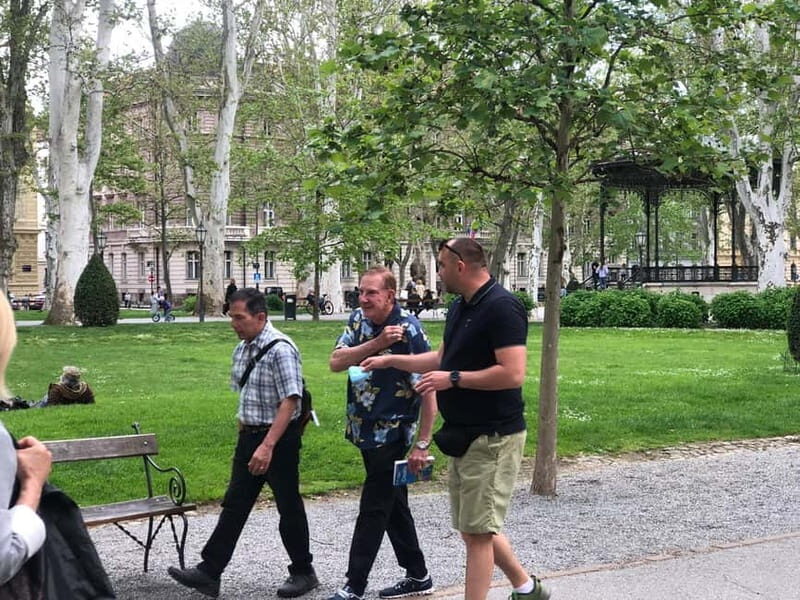
I like starting at Zrinjevac Park because it’s visually distinct and easy to spot when you’re meeting at the start area. It gives you a reset after travel and a natural transition into the historic center.
Bogovićeva Street also does one practical thing well: it reminds you that Zagreb isn’t just churches and towers. It’s also the day-to-day restaurant and bar streets where you’ll want to wander later. If you’re the type who likes to end a day with a snack and a casual drink, you’ll appreciate that the tour keeps pointing you toward good options.
Ban Jelačić Square and the Cathedral stop you’ll remember
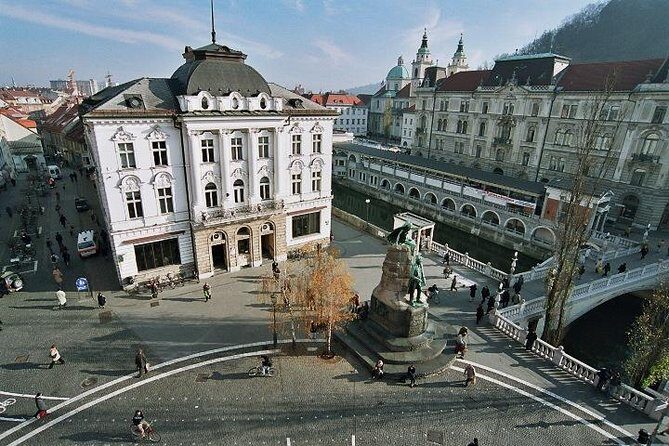
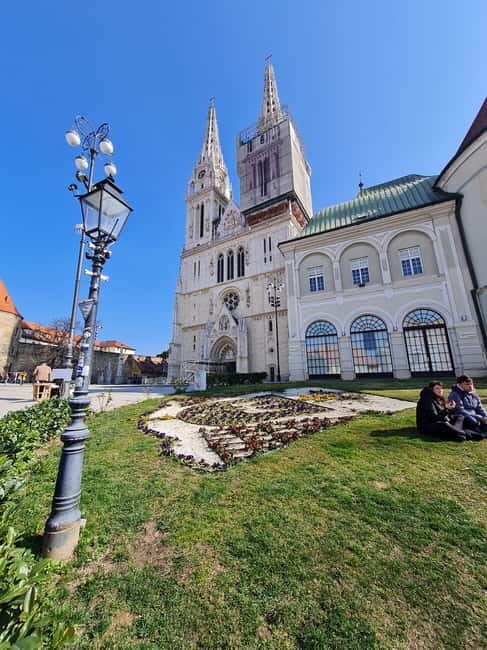
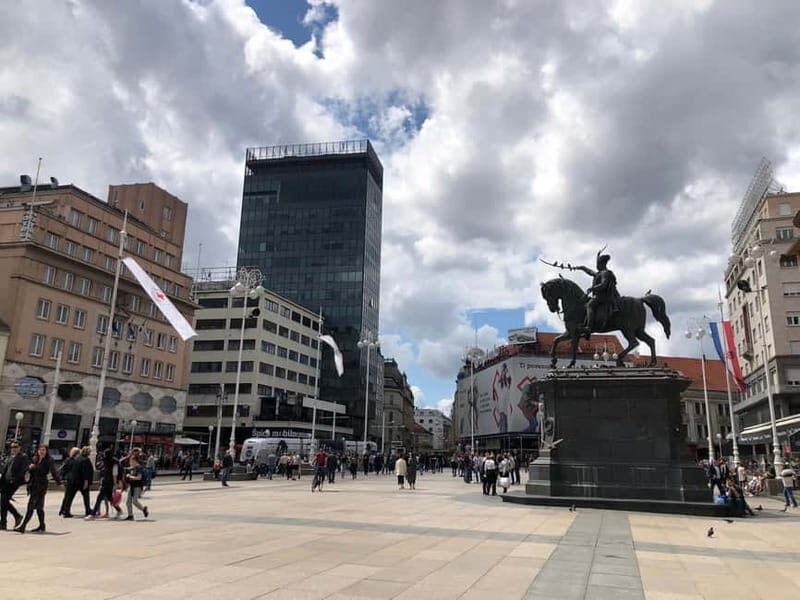
From Bogovićeva Street, you cross over to Ban Jelačić Square and then continue toward Zagreb Cathedral. Ban Jelačić Square is one of those anchor places in a city center, and it helps you understand where major pedestrian movement happens.
The cathedral stop matters because it’s not only a photo moment. It’s also a reference point you’ll recognize later when you’re walking on your own. When you know where the cathedral sits relative to the squares and markets, the rest of the Upper Town navigation feels easier.
This is also where a good guide earns their keep. You’ll get local context about the city as you pass landmarks, and it tends to stick better because you’re seeing the places in sequence rather than in isolation.
Dolac Farmers Market: what to do there during the tour
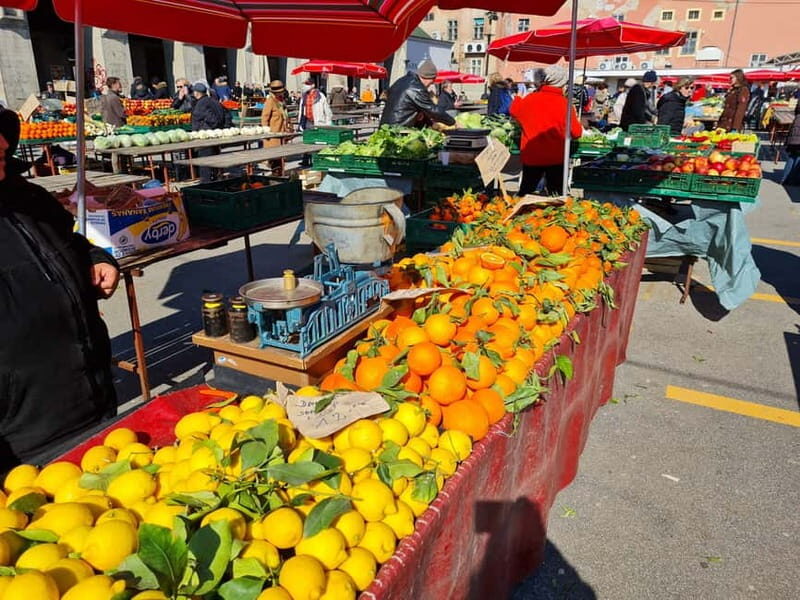
Next is Dolac Farmers Market, a place with immediate “this is how people actually shop” energy. Even if you’re not buying anything, the setting is a great chance to watch what kind of market life happens in Zagreb’s center.
This stop is especially useful if you like practical travel planning. Markets like this are often the best clues for what’s worth trying later. Dolac also helps break up the heavier history moments so the walk stays varied.
If you’re sensitive to walking pace, keep your expectations simple here: Dolac is a visit and a sightseeing pause, not a long sit-down meal. Food and drinks aren’t included, so you’ll want to be ready to snack on your own before or after.
WWII tunnels: the history portion that changes how you see the city
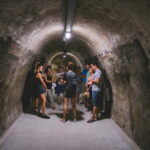
Then comes the tour’s standout: WWII tunnels. Walking through tunnels in the city center gives you a rare angle on Zagreb’s story. Instead of reading history from a distance, you’re moving through a physical leftover from a darker period, which makes the surrounding streets feel more layered.
What you’ll value most is that this part fits into the day without turning into a museum-style lecture. You’re still walking through town, still seeing landmarks above ground, but the story has a second layer underneath your feet.
One caution: the tunnels don’t operate on certain dates, and they also can be affected by broader closures. If this is the main reason you booked, it’s worth confirming operation status before you go.
Other walking tours we've reviewed in Zagreb


Grič Hill panorama time, plus the funicular closure reality
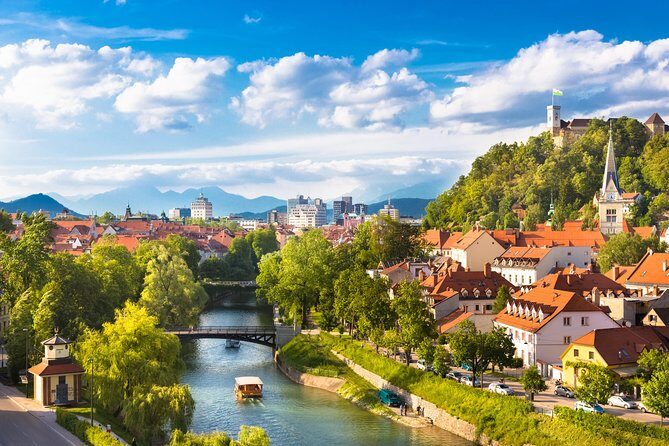
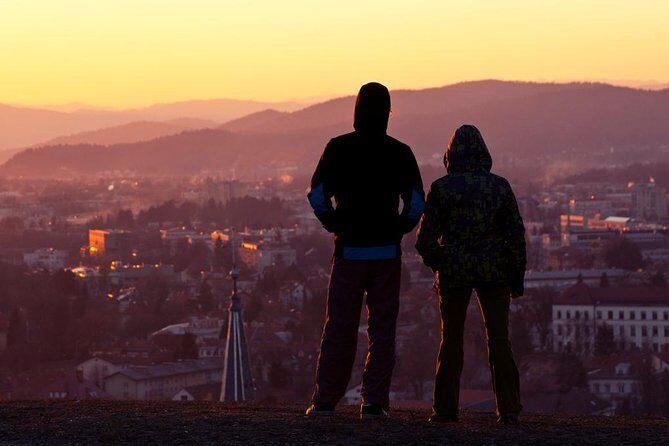
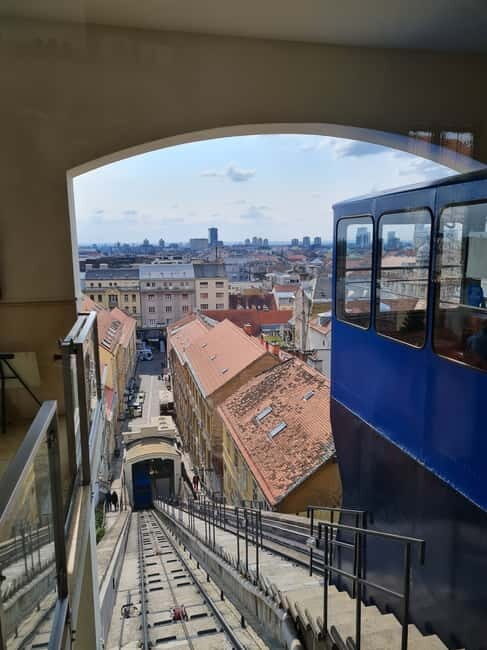
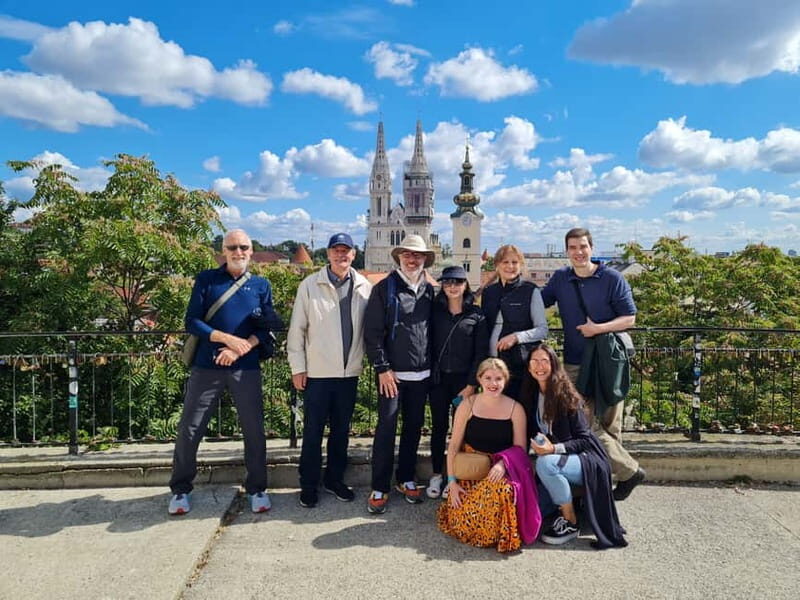
After the WWII portion, you’ll head toward Grič Hill for a rest and the panoramic payoff. The tour is built around the idea that you should climb enough to see the city from above and understand how the Upper Town connects.
Here’s the important snag: the tour highlight includes a ride on the smallest funicular in the world, but the funicular is closed for renovation until March 2026. That means you may miss that short ride, even though the rest of the hill area and views are still part of the experience.
So how do you plan around this? Treat the funicular as a bonus, not the core plan. Even with the ride out of action, the Upper Town viewpoint concept still works. And if the funicular is operating during your dates, you’ll get that ticketed add-on when it’s available.
Upper Town essentials: Lotrščak Tower, St. Mark’s Church, and Stone Gate
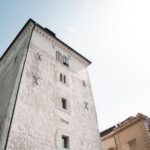
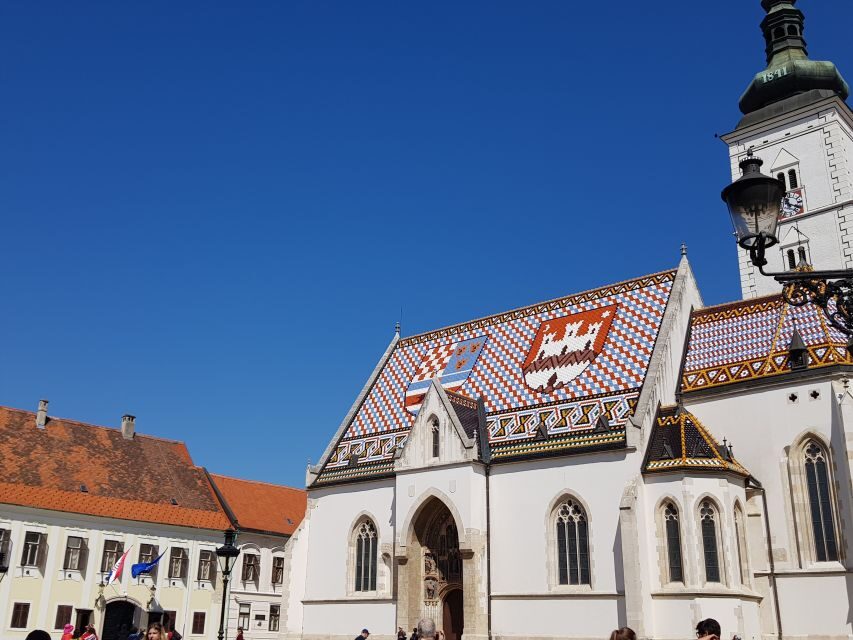
Once you’re in Gradec (the Upper Town area), the tour shifts into iconic-landmark mode. You’ll take in Lotrščak Tower, then head toward St. Mark’s Church, and finish up around the Stone Gate area.
These stops are valuable because they’re the kinds of sights that help you “mentally map” the city. If you’re planning a self-guided day afterward, these landmarks give you anchors: you’ll remember where the towers and gates are, and that makes your independent wandering feel confident instead of uncertain.
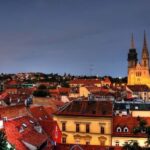
You’ll also get a sense of Zagreb’s vertical layout. Lower Town squares and markets feel like the base layer. Upper Town landmarks feel like the lookout layer. Seeing both during the same guided window helps you understand the city’s structure.
Tkalčićeva Street and the snack planning advantage
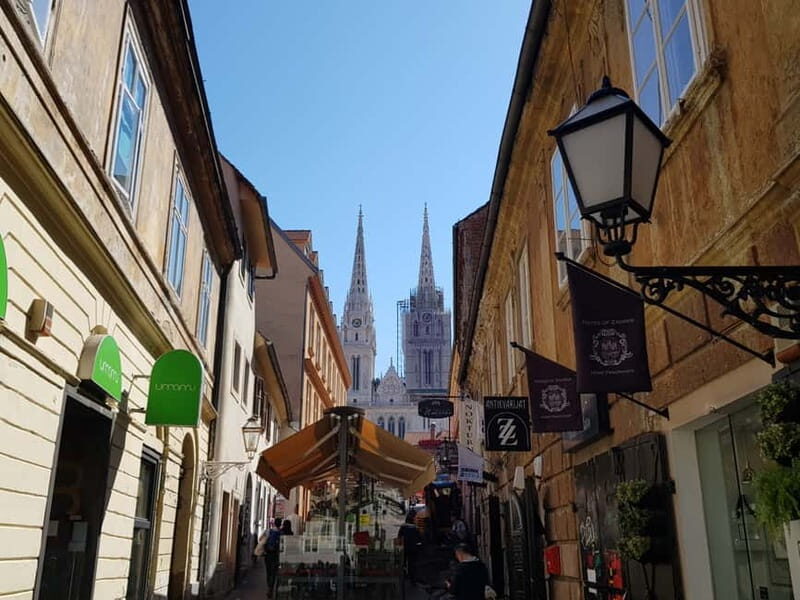
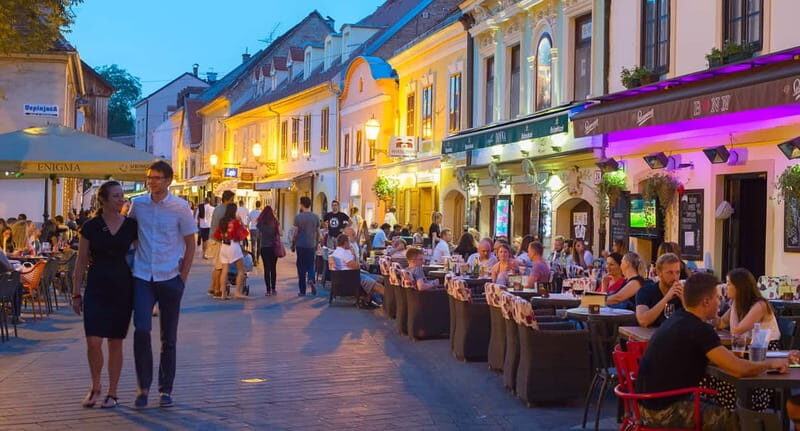
On the descent from the hill, the tour brings you toward Tkalčićeva Street, which is famous for bars and restaurants. This part is practical. You’re walking out of the big highlight moments and into a neighborhood where you can decide, in real time, what you want for an end-of-tour snack.
Food and drinks aren’t included, so I recommend you treat this as your cue to grab something easy nearby rather than hunt for a restaurant with no context. If your feet are tired, choosing from a street that’s known for dining saves energy.
Pacing and comfort: what matters for a 2.5-hour walk
This tour runs about 2.5 hours. That’s long enough to feel like you saw real Zagreb, but short enough that you’re not stuck for an entire day on foot. Still, you’re on streets and hills, so comfortable walking shoes are worth it.
A nice point: the tour operates in all weather conditions. That means you should bring a rain layer or something to protect against wind and chill, even if the morning looks calm.
Because the tour is also wheelchair accessible, it’s structured with movement in mind. If you use mobility assistance, it’s still smart to bring extra time for any uneven sidewalk sections, since the tour involves walking between several key spots.
Price and value: is $23 worth it?
At about $23 per person for a 2.5-hour walking tour, the value is strongest if you want guidance plus access to the tunnel area and a tight route through major landmarks. What you’re paying for isn’t only sightseeing. It’s the licensed guide who helps connect the dots between squares, churches, markets, and the WWII sites.
You also get the funicular ticket when it’s operating, which can add to the cost-effectiveness of the tour on days when the ride is actually available. Even if the funicular is closed during your dates, the walk still covers Upper Town viewpoints and landmark clusters that you’d otherwise have to piece together yourself.
For budget travelers, this price point makes a lot of sense as a “first Zagreb day” plan. It helps you get oriented, then you can spend your remaining time choosing neighborhoods and restaurants based on what you learned on the ground.
Who should book this Zagreb walk
I think this tour is a good fit if you want:
- A structured introduction to Zagreb’s Upper and Lower Town areas
- WWII-era context through a real walking experience in the city
- City views from Grič Hill without needing to plan transit or logistics
- An English guide who can answer questions while you’re moving
It might be less ideal if you booked primarily for the funicular ride and you’re visiting before March 2026. In that case, still consider booking for the tunnels and viewpoint plan, but don’t base your schedule on the funicular being the highlight.
Should you book this tour?
If you want a high-value Zagreb orientation with a history-heavy twist, I’d book it. The mix of Lower Town landmarks, Upper Town icons, and the WWII tunnels is exactly the kind of guided experience that turns a short trip into a more meaningful one.
Just do one check before you commit: confirm whether the WWII tunnels and the funicular are operating on your specific date. If the funicular is out, you can still get the hill views and the landmark flow, but it’s smart to know what’s actually running.
FAQ
How long is the Zagreb: City and WWII Tunnels Walking Tour?
The tour lasts about 2.5 hours.
Where do I meet for the tour?
Meet in front of the Meteorological station (Trg Nikole Zrinskog 2).
Is the tour offered in English?
Yes. The live tour guide speaks English.
Is the funicular included, and is it running?
A funicular ticket is included when it is operating. The funicular is closed for renovation until March 2026, and the WWII tunnels and funicular do not operate on certain dates.
What is included in the price?
The walking tour with a licensed guide is included, plus the funicular ticket when it’s operating.
Is this tour wheelchair accessible and does it run in bad weather?
Yes, it is wheelchair accessible, and it operates in all weather conditions.