REVIEW · ZAGREB
Zagreb: 2.5-Hour Cycle Back to Socialism Tour
Book on GetYourGuide →Operated by Blue Bike Zagreb tours · Bookable on GetYourGuide
A bike ride with a politics lesson. This 2.5-hour Zagreb tour uses cycling to show you a side of the city most visitors miss, including the socialist period and how it still shapes where people live. I love the quick switch from the center into dedicated cycling lanes over the Sava, and I love how the stops mix practical daily-life areas with parks and contemporary art. One thing to consider: the historical focus can feel uneven depending on the guide, so you’ll want to be ready to ask questions if socialism-era details are your main goal.
With a total time of about 150 minutes, it’s long enough to feel like a real neighborhood tour but short enough to stay enjoyable. It’s also set up for a wide age range, including children and older adults, though it’s not a good fit if you have mobility impairments or use a wheelchair.
In This Review
- Key Highlights You’ll Actually Notice on the Ride
- Why This “Back to Socialism” Tour Works Better by Bike
- Getting Oriented at Blue Bike Zagreb (and Why the Start Matters)
- The City Center to the Sava: Old Zagreb Context, Then a Turn
- Crossing the River into the Balkan Zone (and Why You Should Pay Attention)
- Zagreb Fair Area: Industrial-Edge Modernity
- Bundek Park: Where the Story Takes a Breath (and Yes, It’s Pretty)
- Contemporary Art Museum Area and New Zagreb’s Creative Side
- Botanical Garden and the Return Loop: Old Squares, Fresh Views
- Price, Value, and What You’re Really Paying For
- Who Should Book This Tour (and Who Might Skip It)
- Should You Book the 2.5-Hour Cycle Back to Socialism Tour?
- FAQ
- How long is the Zagreb Cycle Back to Socialism tour?
- What is the price per person?
- Where do I meet the tour?
- Is the tour guided in English?
- Do I get a bicycle and helmet?
- What are the main areas you cycle through?
- Is this tour suitable for children or older adults?
- Is it wheelchair accessible?
- Is private group available?
- Can I cancel for a full refund?
Key Highlights You’ll Actually Notice on the Ride
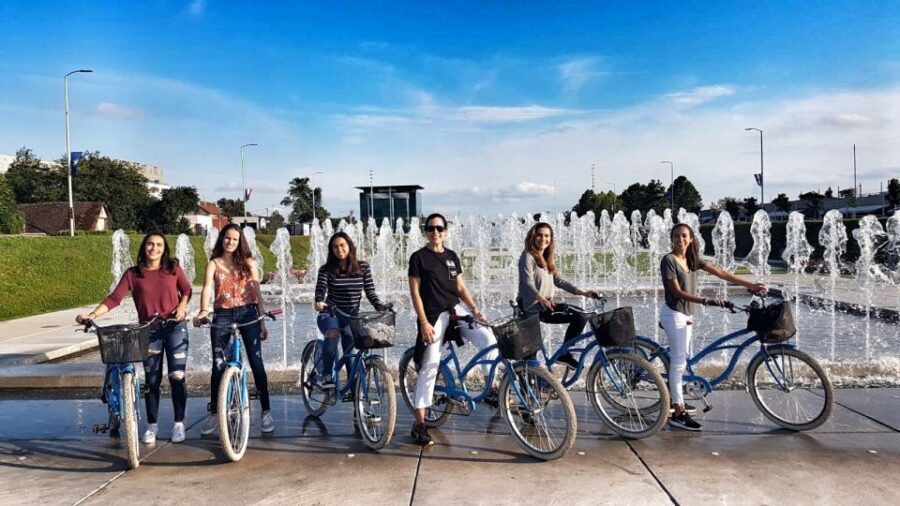
- A sudden neighborhood change when you cross the river, with the city’s post-World War II story taking center stage
- Car-free style cycling on established lanes, which makes the route feel safe and efficient
- Street-art region + Green Horseshoe area, so you see modern Zagreb textures alongside the past
- Bundek Park with lakes as a breather between history stops
- New Zagreb’s art and institutions, including the Contemporary Art Museum area
- A classic downtown loop back through King Tomislav Square and Park Zrinjevac
Why This “Back to Socialism” Tour Works Better by Bike
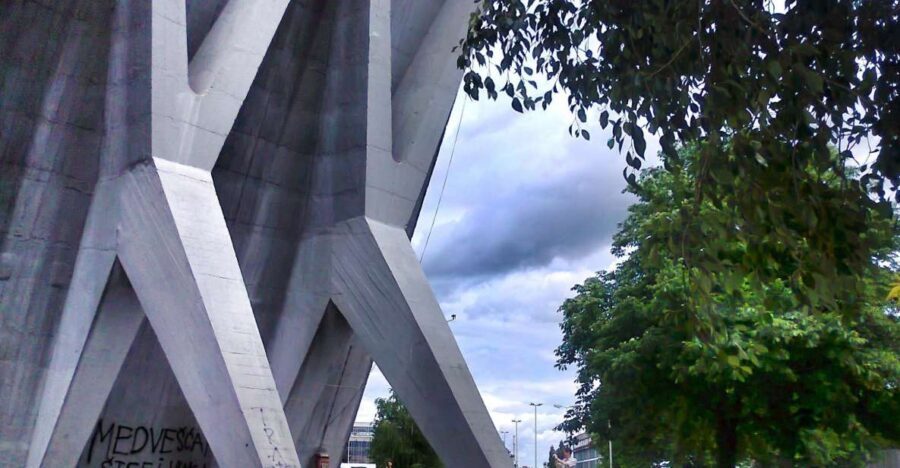
Zagreb has layers, but most people only skim the top. This ride is built to change that. You pedal through multiple parts of the city in around 150 minutes, so you’re not stuck doing long transfers or watching the clock instead of the views.
The best part is how the tour uses movement as a teaching tool. When you cycle from the center toward the Sava River, you’re not just getting photos—you’re getting a sense of scale. Neighborhoods that feel unrelated on a map start to make sense when you feel the distance and see what surrounds the housing areas.
And yes, you’ll still get pleasant city scenes: parks, water, and squares. But the core value is the explanation—how the social system and society shifted over time, and what that change looks like in the present-day city layout.
Other Communism and Yugoslavia history tours in Zagreb
Getting Oriented at Blue Bike Zagreb (and Why the Start Matters)
Your tour begins at Blue Bike Zagreb, meeting up near Trg bana Josipa Jelačića 15 (on the main square). The office is tucked in an alley where the statue on the square appears to point—so look for that direction when you arrive.
The first stretch runs past major landmarks in central Zagreb, including the Croatian National Theatre and the Croatian State Archives. Even if you’re not a museum person, these stops help you get your bearings fast. They anchor the story so later parts—especially the “New Zagreb” areas—don’t feel like random neighborhoods you’re being pushed through.
This is also where the guide’s approach really starts to matter. You’ll be with an English-speaking local guide, and names you might hear in the mix include Roza and Ilona. When guides bring the story to life, you’ll feel like Zagreb’s map is explaining itself.
The City Center to the Sava: Old Zagreb Context, Then a Turn
Early on, you move through the Lower Town area and partially along the Green Horseshoe route. That matters more than it sounds. The Green Horseshoe gives you a recognizable pattern of green space that helps you understand how Zagreb’s urban planning works—not just where the buildings are, but how the city breathes between them.
Then the tone changes as you head toward the Sava River. The tour’s structure is smart here: you’re not thrown into “socialism talk” without any setup. By the time you’re close to the river crossing, you’ve already been shown enough of the city’s older, core identity to make the contrast feel real.
The bike time here is practical, too—short segments that keep energy up. You can think of this as the tour’s warm-up: you learn the mental map before you zoom out.
Crossing the River into the Balkan Zone (and Why You Should Pay Attention)
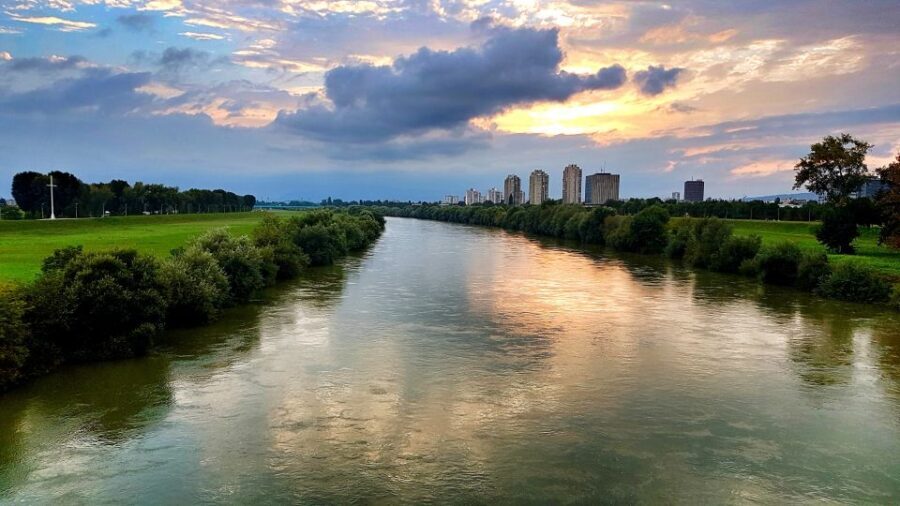
Crossing the Sava is the turning point. The route takes you over the river and into areas described as part of the Balkan zone, and the shift isn’t subtle. Even if you’ve never studied Zagreb’s history, you can sense the change in architecture, street patterns, and what the neighborhoods are used for.
This is also where the tour theme lands: the development of Zagreb from the post-World War II era, including the “mystical” time of communism, and how that era still shows up in the city’s main housing areas.
What makes this section valuable for you is that it’s not taught as abstract ideology. You’re cycling past real blocks and real streets, so the explanation becomes visual. You start asking different questions, like:
- Why do some areas feel built for everyday life at scale?
- What did the city prioritize when it expanded?
- Why do current patterns still look the way they do?
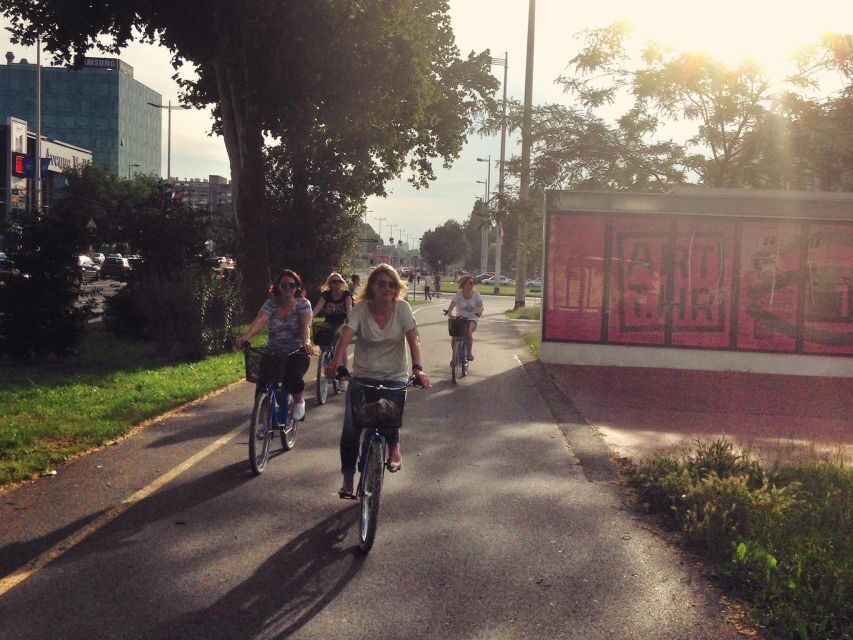
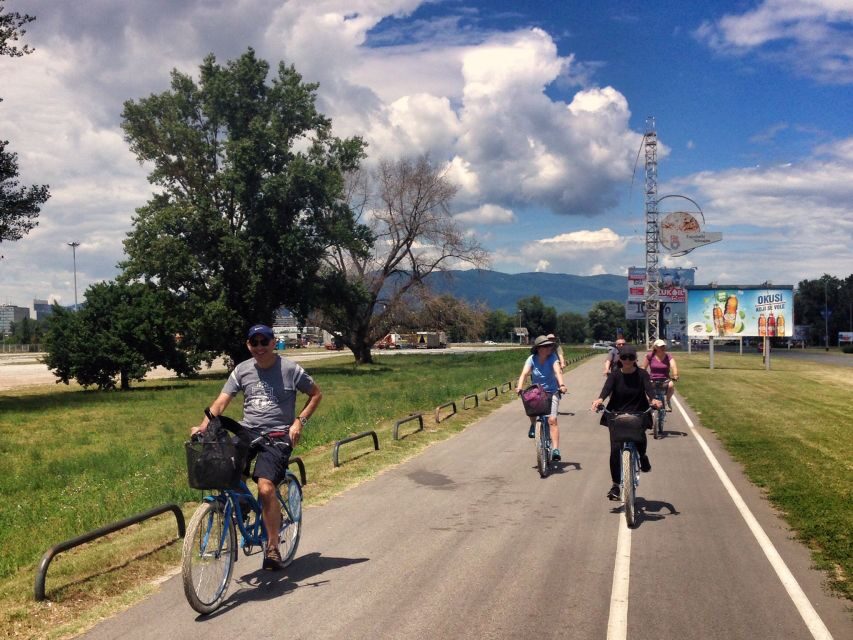
You’ll also notice the route stays on cycling infrastructure that’s been established for a long time, which helps you keep your focus on what you’re seeing instead of worrying about logistics.
Zagreb Fair Area: Industrial-Edge Modernity
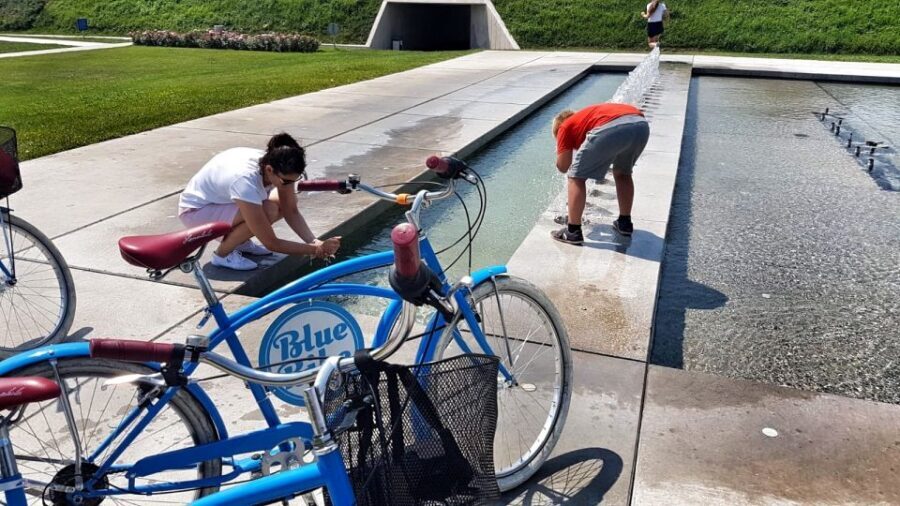
After crossing and settling into the next stretch, you’ll pass through the Zagreb Fair area. This segment is about contrast. The fairgrounds area is the kind of space that can look quiet and ordinary on a normal day, but it represents the city’s large-scale planning and its public-event infrastructure.
The bike time here is about 20 minutes. That’s enough time to see how the neighborhood feels without draining you. If you’re hoping for nonstop scenic highlights, this stop can feel more “urban and functional” than “storybook.” But that’s exactly why it helps the socialism conversation. These are the spaces that support how society works—markets, events, and mass movement.
Other cycling tours in Zagreb
Bundek Park: Where the Story Takes a Breath (and Yes, It’s Pretty)
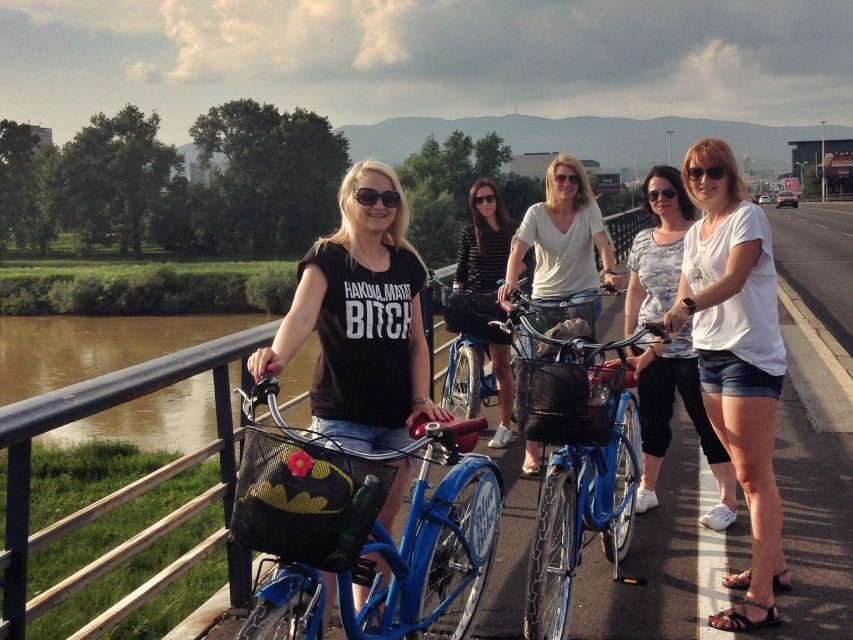
Then you get one of the tour’s best mood switches: Bundek Park with its lakes. This is where the ride becomes calmer and more pleasant. The park is described as shady and often peaceful, which is a big deal when you’re doing a 3-hour cycle.
Bundek is a smart inclusion because it lets you break the history rhythm. When your legs and eyes have a rest, you can absorb the earlier explanations more clearly. You’ll be able to look around and notice how green space fits into the everyday fabric of the neighborhoods you’ve been cycling through.
In plain terms: Bundek gives you a human-scale pause between the city’s larger planning stories.
Contemporary Art Museum Area and New Zagreb’s Creative Side
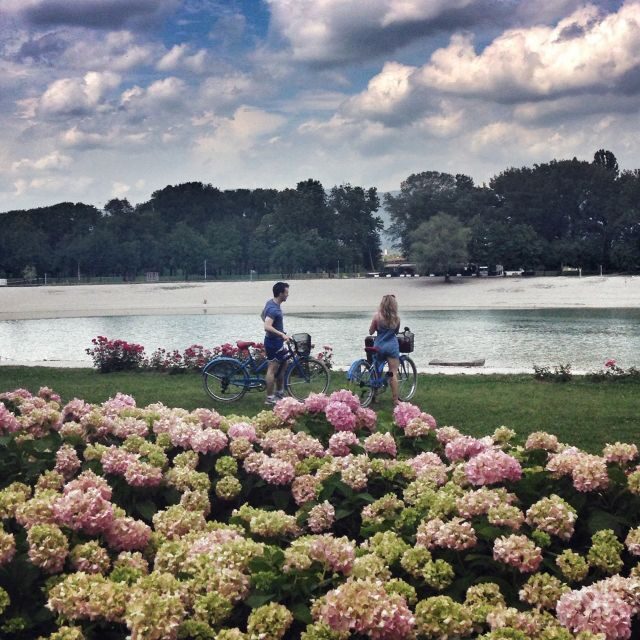
Zagreb isn’t frozen in history. The tour helps you see that by moving into parts of New Zagreb tied to today’s cultural scene. You’ll cycle through areas that connect to a Croatian contemporary art presence, and the Contemporary Art Museum is specifically in the route.
This section matters because it challenges a common travel mistake: thinking that former-socialist neighborhoods are only about the past. Here, art and modern life are part of the picture. The city’s post-war development shaped housing and neighborhoods, and then later generations shaped identity through culture, institutions, and public life.
If you like your history with present-day texture, this is one of the most satisfying parts of the ride. You’ll leave with the sense that Zagreb’s story isn’t stuck in a chapter—it’s still being written.
Botanical Garden and the Return Loop: Old Squares, Fresh Views
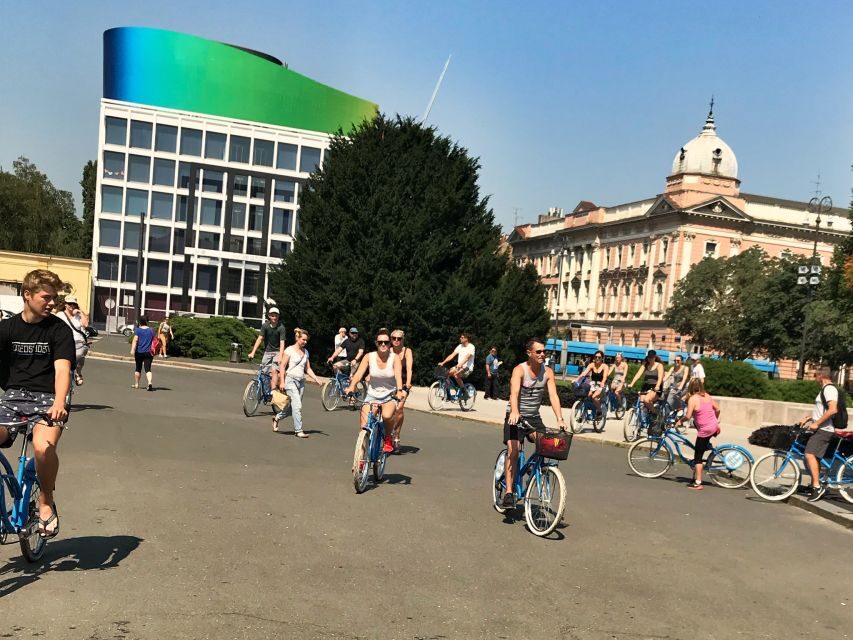
On the way back, you cycle through greener and more classic downtown areas. The route includes the Botanical Garden of the Faculty of Science at the University of Zagreb. Even if you don’t expect a long stop, the presence of a university garden-like setting adds a softer, more reflective mood to the ride.
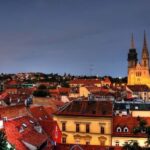
Then you reach King Tomislav Square and Park Zrinjevac. These central points help close the story loop. You’ve been traveling through the city’s “different side,” and now you get the return to the recognizable Zagreb center—squares that help you recalibrate where you are on the map.
One of the ending moments you’ll appreciate is when you cycle back over the bridge and get one of the loveliest sights of the city, with mountains in the background. It’s the kind of view that makes you stop pedaling for a second—just long enough to feel grateful you chose a bike tour instead of a slow walk.
Price, Value, and What You’re Really Paying For
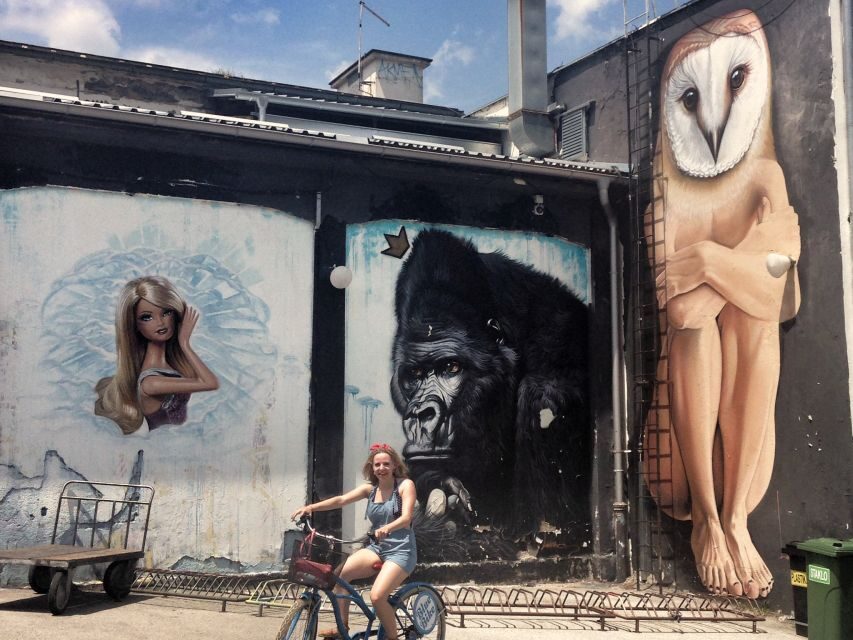
At $57 per person for about 150 minutes, you’re paying for more than a bike. You’re paying for route design, cycling time that connects neighborhoods efficiently, and a local guide who explains the big question: how and why the social system and society changed.
That’s the value equation here:
- A bike rental gets you movement, but not context.
- A walking tour gets you context, but not the same “feel” for distance and neighborhood layout.
- This combines both, with cycling lanes and a route that spans the city in a way a typical on-foot tour can’t.
Also, you’ll get a bicycle included, and a helmet is optional but provided. You’ll want to treat this like a real cycling outing: wear comfortable shoes, and if you’re sensitive to sun or wind, plan accordingly.
Finally, remember that guide quality can shift how much you get out of the socialism theme. Some guides may focus more on everyday life in the housing areas and less on deeper 20th-century political detail. If that’s your priority, ask your guide specific questions early in the tour so you can steer the conversation.
Who Should Book This Tour (and Who Might Skip It)
This works best if you:
- want a practical way to see more of Zagreb in a short time
- like your history explained through streets, not just plaques
- enjoy parks, bike infrastructure, and city views alongside the story
It’s also suitable for children and elderly adults, which is a nice signal that the pace and route are intended to be manageable for a range of ages.
You should probably skip it if you have mobility impairments or use a wheelchair, since the tour is not set up for wheelchair users.
And one more small tip: if you’re coming to Zagreb specifically for socialist-era history, arrive with curiosity and a few questions. The tour can be excellent when the guide leans into that theme—some guides are clearly strong at it, including Roza and Ilona. When the focus shifts too much toward general city sightseeing, the experience can feel less aligned with the tour name.
Should You Book the 2.5-Hour Cycle Back to Socialism Tour?
Yes—if you want Zagreb to make sense fast, and you’re happy to learn while moving. This is a good value for the time and the range of areas covered, especially when you care about how neighborhoods formed and why they still look the way they do.
Book it if you like:
- history that’s grounded in real streets
- biking through parks and cultural stops like Bundek and the Contemporary Art Museum area
- a route that includes both central squares and the housing-side contrast after crossing the Sava
Skip it if you need deep, guaranteed political history on command, or if mobility constraints make biking difficult for you. In those cases, you might be happier with a more specialized history-focused walking tour or another format that better matches your needs.
FAQ
How long is the Zagreb Cycle Back to Socialism tour?
It lasts 150 minutes (about 3 hours).
What is the price per person?
The price is $57 per person.
Where do I meet the tour?
You meet at Blue Bike Zagreb near Trg bana Josipa Jelačića 15 (the office is in an alley where the statue points).
Is the tour guided in English?
Yes, it has a local English-speaking guide.
Do I get a bicycle and helmet?
A bicycle is included, and a helmet is optional (it’s part of what’s provided).
What are the main areas you cycle through?
You ride through the Lower Town toward the Green Horseshoe area, cross the Sava River, then cycle through areas connected to New Zagreb, including Bundek Park and the Contemporary Art Museum area, before returning through central squares and parks.
Is this tour suitable for children or older adults?
Yes, it’s suitable for children and elderly adults.
Is it wheelchair accessible?
No, it is not suitable for wheelchair users or people with mobility impairments.
Is private group available?
Yes, private group options are available.
Can I cancel for a full refund?
You can cancel up to 24 hours in advance for a full refund.
If you tell me your dates and what you care about most—social history depth vs. scenery vs. art—I can help you decide if this route matches your Zagreb style.