REVIEW · ZAGREB
Jump into Zagreb – Small Group walking tour with WWII Tunnel
Book on Viator →Bookable on Viator
Zagreb has a WWII secret underground. In this small group walk, you get classic Old Town sights plus a real underground stop: the Grič Tunnel. It is timed well for photos, folklore, and a few practical recommendations along the way.
I really like how the tour mixes big landmarks with stories you can actually use. With guide Zrinka, you do not just hear dates; you get legends, local character, and context that helps the city make sense fast. I also like the hands-on feel at the markets and the way she steers you toward good places to eat and drink after you finish the walk.
One thing to keep in mind: this is a walking experience and it depends on good weather, so you will want to plan for rain or chilly mornings.
In This Review
- Key Highlights You Will Actually Feel
- A 2.5-Hour Zagreb Reset: Small Group, Tight Route, Big Payoff
- Starting in Zrinjevac: Park Setting + Easy Morning Flow
- Lenuci’s Horseshoe and Jelavić Square: Where Zagreb’s Story Starts
- Dolac Market: Your Best Reality Check in Zagreb
- St Mark’s Church and the Colored Roof Moment
- Tkalčićeva Street and Radiceva Street: Legends on the Way to the WW2 Tunnel
- Step Into the Gric Tunnel: WWII Relic Turned Cultural Site
- Lotrščak Tower and the Cannon Legends
- Uspinjača Cable Car: A Short Ride That Breaks the Legs
- Sculpture Grounded Sun: Solar System Story Stop
- Zrinjevac Park Again? The Layout Matters More Than Repetition
- Bloody Bridge (Krvavi Most) and the Museum of Broken Relationships
- Final Stroll Through the Christmas Market Feel (Even Outside December)
- Price and Value: Why $30.04 Feels Fair Here
- Who This Tour Suits Best (and Who Might Want Something Else)
- Tips to Get More From Your 2.5 Hours
- Should You Book This Zagreb Walk?
- FAQ
- What is the duration of the Zagreb walking tour?
- How much does it cost per person?
- What language is the tour offered in?
- Where does the tour start and end?
- How large is the group?
- Is the WWII Gric Tunnel ticket included?
- Are tickets included for all stops?
- What time does the tour begin?
- What happens if the weather is bad?
- Is free cancellation available?
Key Highlights You Will Actually Feel
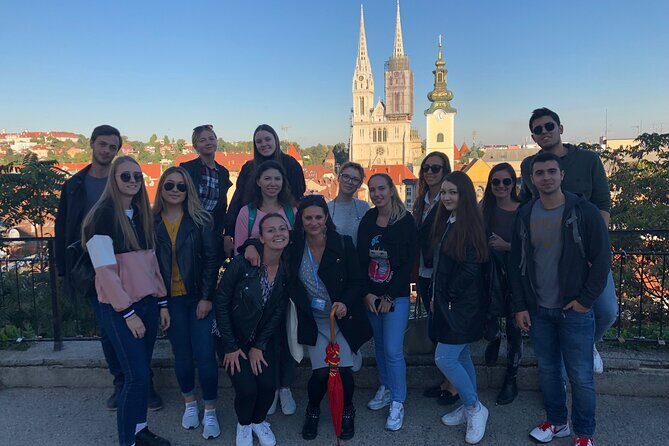
- Max 10 people means the pace stays relaxed and questions get answered.
- Grič Tunnel admission is included, so you are not juggling tickets mid-walk.
- Dolac Market stop gives you a real sense of everyday Zagreb, not just postcard views.
- Photo-friendly moments like St Mark’s Church colored roof and the Lotrščak cannon views.
- Old Town legends at multiple stops makes the city feel personal, not like a checklist.
- Uspinjača cable car is a fun break from walking and a true local shortcut.
A 2.5-Hour Zagreb Reset: Small Group, Tight Route, Big Payoff
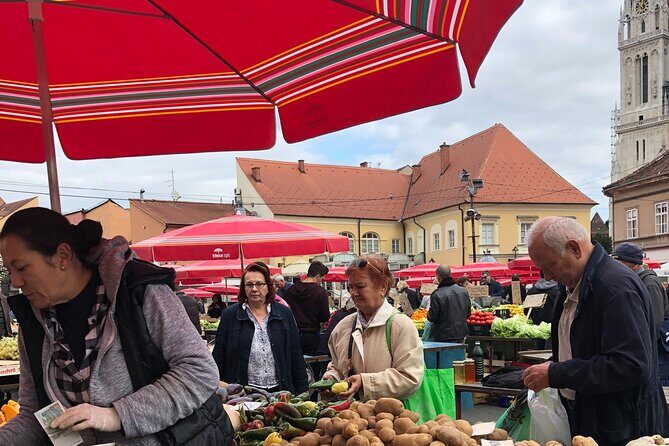
This tour is built for people who want to get their bearings without burning a full day. It runs about 2 hours 30 minutes, starts at 10:00 am at Zrinjevac 2, and ends at Cvjetni trg (Flower Square), where you can naturally drift into cafes afterward.
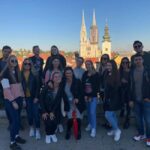
The group limit is up to 10, which matters more than you might think. In a small group, you are not waiting for people to catch up every five minutes, and the guide can adjust the pace if you are slow on stairs or want a little extra time for photos.
Value-wise, the headline is simple: you are paying about $30.04 for a guided walk that strings together major Old Town stops, plus a WWII Gric Tunnel visit with admission included. You also hit several sites where the tour lists admission as free, so you are not constantly paying extra along the route.
One more practical note: it is booked about 36 days in advance on average, so if you are traveling in peak season, it is smart to lock it in early rather than trying to gamble.
Other WW2 Tunnels tours we have reviewed in Zagreb


Starting in Zrinjevac: Park Setting + Easy Morning Flow
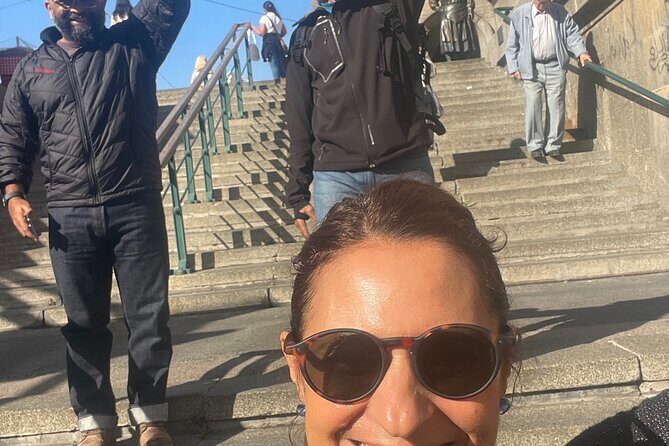
You begin at Zrinjevac, a central park area that makes a good launchpad. The tour uses that spot to set the tone: it is not just standing around, it is a quick orientation so you understand where you are in the city plan and what you will be seeing next.
I like that the park stop is short. It gives you a breather before the walk intensifies, and it also helps when the day is hot, cold, or a bit windy. If you arrive a few minutes early, you get settled without stress.
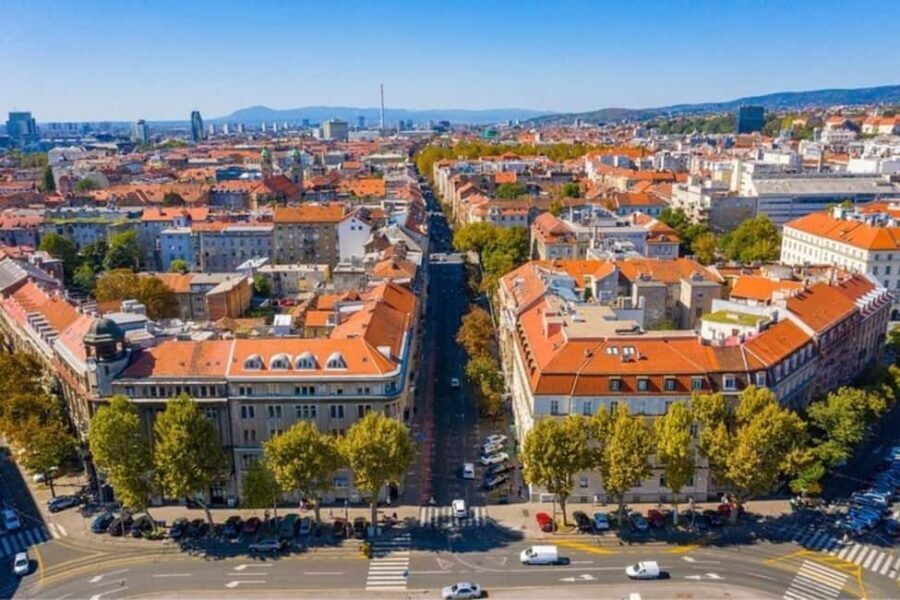
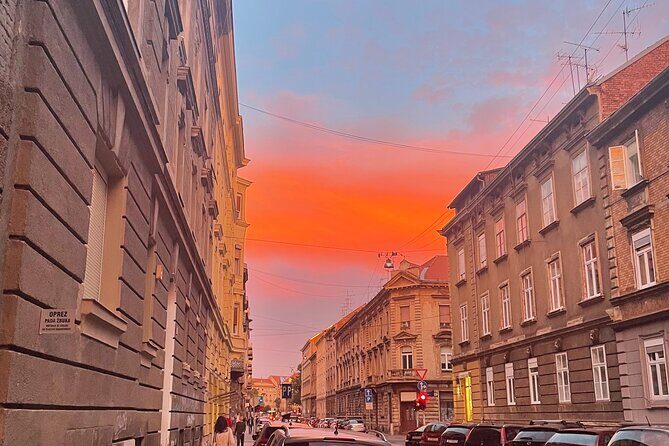
Then you head into the Old Town core. That matters because Zagreb’s best sightseeing is compact, but spread out across different “micro-neighborhoods,” each with its own vibe. This route connects those zones without you having to figure out the order yourself.
Lenuci’s Horseshoe and Jelavić Square: Where Zagreb’s Story Starts
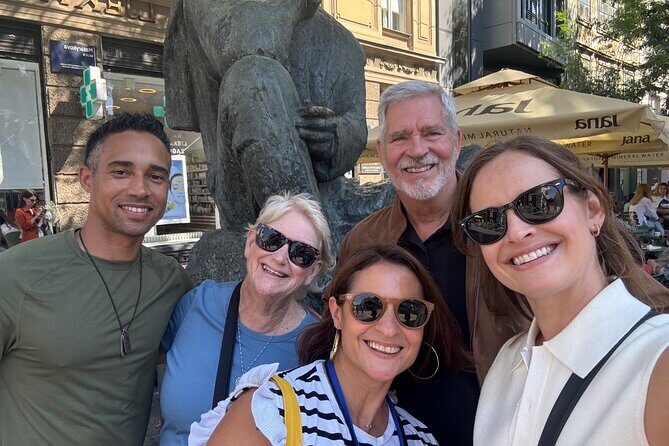
The first big visual stop is Lenuci’s Horseshoe. You spend about 10 minutes there, and the point is clear: you learn the history behind the architecture and why this part of the city looks the way it does. Even if you are not an architecture nerd, it helps to hear the background before you start taking photos, because it turns the view into context.
Next comes Ban Josip Jelačić Square. The tour passes through the main square, then slows down for details: legends tied to the name of the city and a fun ritual at the Manduševac fountain—toss a coin. It is not about the coin itself; it is about doing one small, memorable action while the guide connects the square to wider city stories.
If you enjoy learning a city through street-level details, this opening works. It is also a good moment to gauge your guide’s style. In this tour, the energy stays friendly and story-driven, and Zrinja’s approach from the group feedback lines up with that.
Dolac Market: Your Best Reality Check in Zagreb
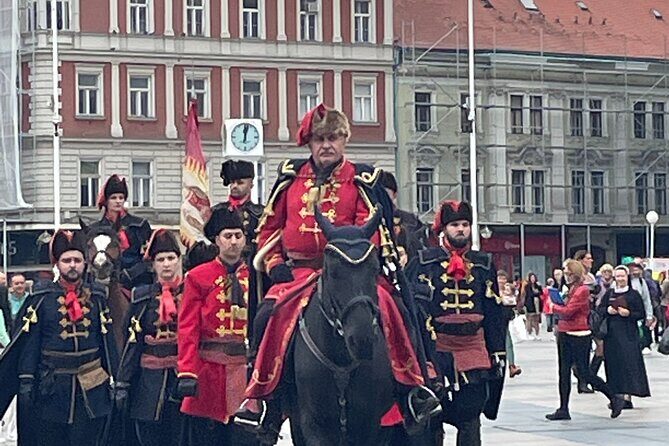
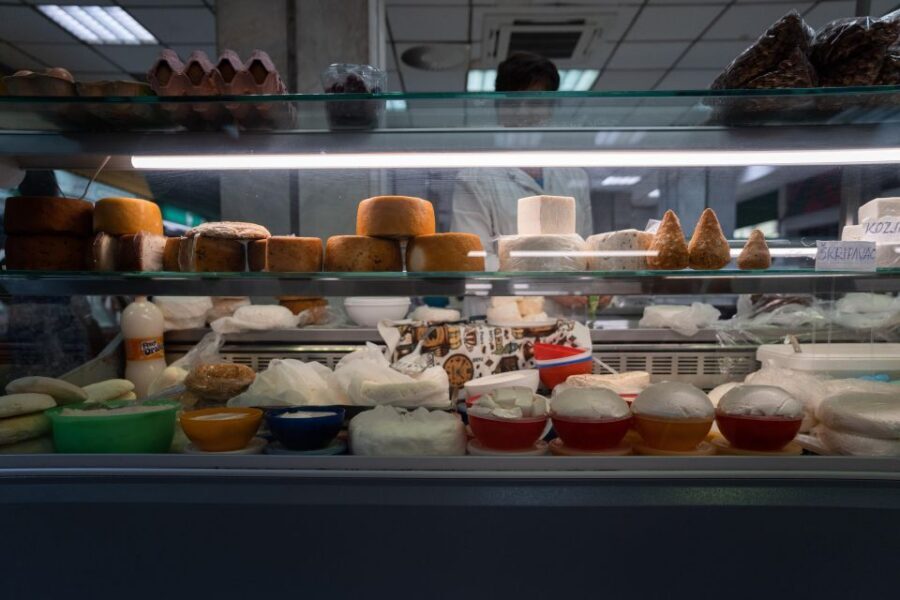
Dolac Market is one of the stops that turns a walking tour into an experience. You get roughly 20 minutes across both outdoor and indoor market areas. This is where you feel the rhythm of everyday Zagreb—people moving, buying, chatting, setting up. Even if you do not plan to shop, it is a stronger stop than another quick view from a plaza.
What I like here is that the tour frames it as more than a photo stop. The guide points out what to pay attention to so you actually notice what makes the market feel like a living space rather than a tourist stage.
Practical tip: if you want to taste anything, this is the time to do it. Since the tour is paced in blocks, you will know when the market time is starting and ending, which helps you avoid rushing your snack.
St Mark’s Church and the Colored Roof Moment
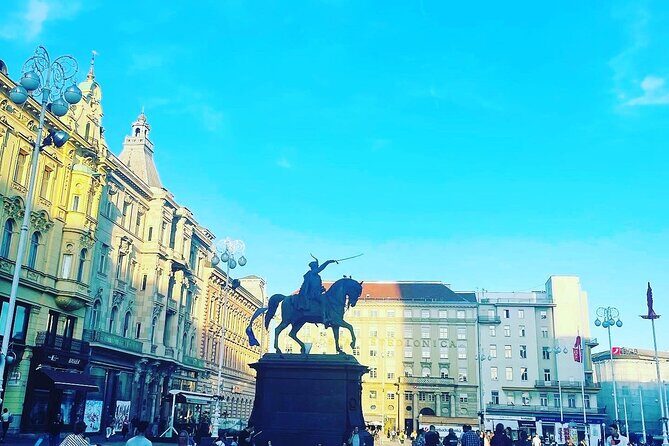
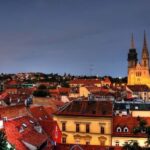
You stop near St Mark’s Church for about 15 minutes. The main payoff is the chance to admire the church from outside and hear the story behind the site, including legends tied to the old town area of Gradec.
Then there is the real reason people remember this stop: time for photos of the church’s colored roof. This is one of those Zagreb scenes where your camera can do the talking—bright details pop against the old stone and narrow streets around it.
A quick consideration: because you are outside and moving on, this is not a slow, in-depth visit. If you want extended time for architecture study or interior access, you will likely need to add it later on your own.
Other walking tours we've reviewed in Zagreb


Tkalčićeva Street and Radiceva Street: Legends on the Way to the WW2 Tunnel
After St Mark’s, you stroll down Tkalčićeva Street. The tour presents it as part of the city’s story, not just a pretty walkway. The guide shares its history and then gives recommendations for what to do later—this is one of the most useful parts of the route because it saves you guesswork when your tour ends.
You then pass through Radiceva Street, where the conversation shifts toward Zagreb’s underground chapter: the Grič Tunnel. Even before you step in, you get the setup so the tunnel stops being a random attraction and turns into a meaningful part of the city’s WWII-era experience.
Step Into the Gric Tunnel: WWII Relic Turned Cultural Site
Now for the highlight. You enter Tunel Grič, with admission included, and you spend about 10 minutes inside.
What makes this stop special is the framing: it is a World War II relic that has been repurposed into a cultural site. Instead of treating it like a dark box to speed through, the tour connects it back to what you have been seeing above ground—streets, squares, and the way the city adapted through time.
A short visit is still enough if you want the emotional impact without turning the tour into a long museum day. If you prefer very slow pacing in historical spaces, you can always add more time afterward on your own, but for most people, this window feels right inside a broader walking route.
Lotrščak Tower and the Cannon Legends
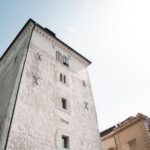
Next you see Lotrščak Tower and a small cannon. The tour notes that the admission ticket is not included for this stop, so if the tower access is part of your plan, you may need to pay separately. You still get the viewing moment and legends tied to the cannon, which is useful even if you decide not to go inside.
This is also a good stop for skyline awareness. From here, you can often understand how Old Town sits on its higher areas and how the streets connect down into the rest of Zagreb.
Uspinjača Cable Car: A Short Ride That Breaks the Legs
From Old Town you take the Uspinjača cable car, described as the shortest cable car in Europe. The tour lists the admission ticket as free, and the time window is about 10 minutes.
This part works for two reasons. First, it is a real local transportation piece, not a novelty photo op. Second, it resets your stamina. After several walking blocks, this ride gives your body a moment to recover while you still keep moving through the best central areas.
Sculpture Grounded Sun: Solar System Story Stop
You also get a quick stop at Sculpture Grounded Sun, with about 5 minutes dedicated to the story of Zagreb’s solar system theme. It sounds quirky on paper, but it breaks up the tour in a smart way: you shift from serious historical context to something creative and light.
If you like oddball city details, this is the kind of stop that makes a short tour feel more like a guided walk with personality.
Zrinjevac Park Again? The Layout Matters More Than Repetition
The tour notes a stop connected to Zrinjevac in the middle of the day, including facts about the park. Even if it feels like you are already near the park at the start, this is really about positioning you correctly for what comes next: the route keeps you moving in logical loops through the center rather than zigzagging randomly.
You might find that the park and surrounding streets become mental landmarks. After the tour, you can use those reference points to navigate on your own, which is exactly what a first-time orientation walk should do.
Bloody Bridge (Krvavi Most) and the Museum of Broken Relationships
You pass through Krvavi Most, also called Bloody Bridge, and hear its turbulent history. It is another short segment, about 5 minutes, but it gives you emotional texture. Not every city walk needs a cheerful story, and Zagreb’s center has enough layers that a darker note helps the whole picture feel real.
Then you pass by the Museum of Broken Relationships and hear how it started. You do not get a ticketed museum visit in this route, but the origin story is often what makes you want to come back later. If you like meaningful, human-scale museums, this is worth remembering for your independent time.
Final Stroll Through the Christmas Market Feel (Even Outside December)
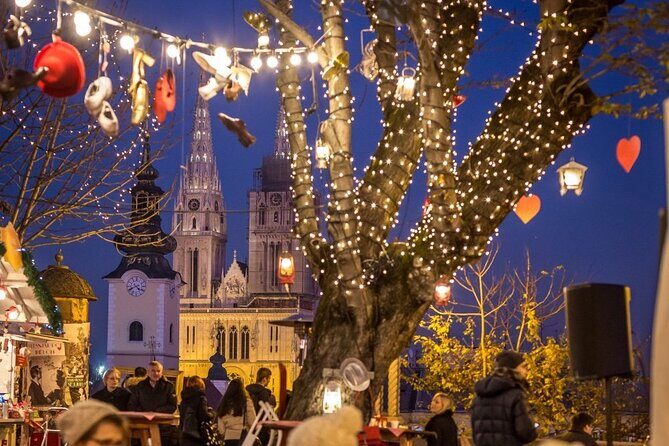
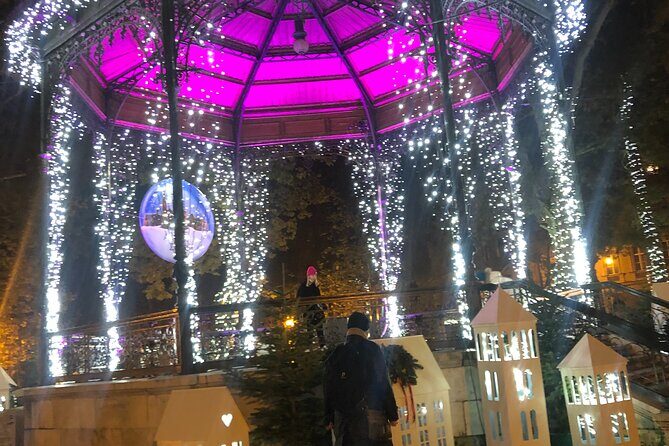
The tour includes a pass through areas that match the city’s best European Christmas market atmosphere. You do not need to be traveling in December to appreciate the idea here. The point is the central squares and streets where seasonal energy tends to gather, and the guide helps you notice why these spots work so well for crowds, events, and street-life.
Then you finish at Cvjetni trg (Flower Square). The tour ends there because it is a natural place to stop for coffee, people-watch, and keep your day going without needing to take a tram right away.
Price and Value: Why $30.04 Feels Fair Here
Let’s talk money without pretending it is magic. $30.04 for a 2.5-hour guided walk is not a steal if you only want generic photos. But in this case, the value comes from what is included and what the guide does with it.
Here’s why it tends to feel fair:
- The WWII Gric Tunnel admission is included, which is usually the kind of stop that would cost extra on its own.
- Many other listed admissions are free (so you avoid constant pay-as-you-go surprises).
- The guide provides practical after-tour help: where to eat, where to drink, and which attractions might be worth adding next.
- Small group size keeps the experience personal, which saves time in asking questions and recalibrating plans.
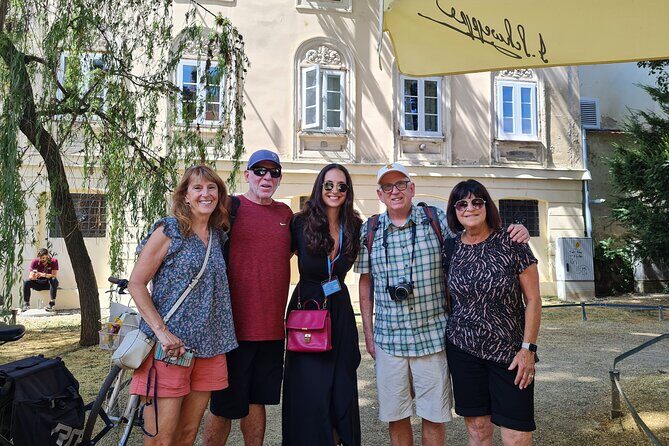
Add the human factor from the strong feedback around Zrinka: the pacing stays comfortable, the tour does not feel like it is trying to hurry you into buying souvenirs, and the recommendations actually help. That is what turns the price into something you feel good about.
Who This Tour Suits Best (and Who Might Want Something Else)
I think this Zagreb walk is a great fit if you:
- want a first-time orientation to the city center
- enjoy history mixed with legends and local storytelling
- prefer a small group pace over big-bus tours
- want a clear route that includes the Grič Tunnel without planning it yourself
It might not be ideal if you:
- need a lot of time at any one stop (this is timed, not open-ended)
- dislike walking in chunks, even if the route has breaks like the cable car
- want a deeper museum experience inside multiple buildings during the same outing
Tips to Get More From Your 2.5 Hours
Bring comfortable shoes. It is a walking tour with frequent short stops, so you will feel every step.
If you care about photos, treat the colored roof and outdoor squares as your priority moments. The best shots are the ones you plan for, not the ones you realize you missed.
Finally, ask your guide for one or two places to return to after the tour ends. The strongest value here is not only what you see; it is how easily you can keep exploring afterward.
Should You Book This Zagreb Walk?
If you want a smooth, story-rich way to connect Zagreb’s top central sights with a real WWII underground stop, I would book it. The combination of Old Town squares, the Dolac Market atmosphere, a photo moment at St Mark’s roof, and the included Grič Tunnel makes the tour feel like a complete orientation—especially with Zrinka’s lively, practical guidance.
If your priority is long museum time or slow wandering without structure, you may prefer a more freeform day. But for most people arriving in Zagreb for the first time, this is one of the most efficient ways to understand the city quickly and then know where to go next.
FAQ
What is the duration of the Zagreb walking tour?
The tour lasts about 2 hours 30 minutes.
How much does it cost per person?
The price is $30.04 per person.
What language is the tour offered in?
The tour is offered in English.
Where does the tour start and end?
It starts at Zrinjevac 2, 10000 Zagreb, Croatia and ends at Cvjetni trg, 10000 Donji Grad, Zagreb, Croatia.
How large is the group?
The tour has a maximum of 10 travelers.
Is the WWII Gric Tunnel ticket included?
Yes, the Tunel Grič stop lists the admission ticket as included.
Are tickets included for all stops?
Not all stops are included. For example, Lotrščak Tower lists admission ticket not included, while several other stops list admission ticket free.
What time does the tour begin?
The start time is 10:00 am.
What happens if the weather is bad?
This experience requires good weather. If it is canceled due to poor weather, you will be offered a different date or a full refund.
Is free cancellation available?
Yes. You can cancel up to 24 hours in advance for a full refund.