REVIEW · ZAGREB
Zagreb: Communism and Croatian Homeland War Tour
Book on GetYourGuide →Operated by Free Spirit Tours · Bookable on GetYourGuide
Zagreb has secrets underfoot. On this 2.5-hour walk, I like how the guide uses WWII underground tunnels to connect World War II, decades of communist Yugoslavia, and the road to Croatian independence. You get history with walls and ceilings that make it feel real.
What really sticks with me is the ending in an air-raid shelter basement used in the ’90s, with a multimedia Homeland War presentation that turns big events into lived details. Guides such as Darko and Ivana are often praised for story flow and the extra material, like maps, pictures, and video, that ties the pieces together.
One caution: the topic is heavy, and it is not suitable for wheelchair users or people with mobility impairments. Add in the walking and underground segments, and you’ll want comfy shoes and a calm stomach for 20th-century chaos.
In This Review
- Key highlights that make this tour worth your time
- Meeting at Ban Josip Jelačić Square: where the story starts
- WWII underground tunnels: a 20th-century timeline under Zagreb
- How the communist era and Yugoslavia context gets explained on the walk
- A photo stop and a less-touristy corner of Zagreb
- The ’90s air-raid basement shelter: where the video lands
- Guides and their style: why names like Darko and Ivana come up
- Timing, walking level, and what to wear
- Value check: is $44 fair for tunnels plus a ’90s shelter?
- Who should book this Zagreb commmunism and Homeland War tour
- Should you book? My practical call
- FAQ
- How long is the tour?
- Where does the tour start, and where does it end?
- What languages is the tour offered in?
- What underground places are included?
- Is there any presentation included during the tour?
- What is the cancellation policy?
- Are pets or luggage allowed?
- Is the tour suitable for people with mobility impairments?
Key highlights that make this tour worth your time
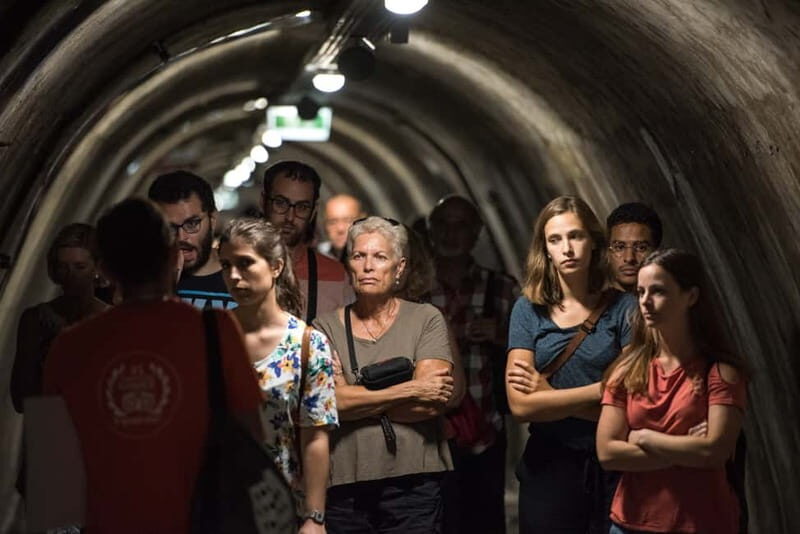
- Two underground visits: WWII tunnels plus a basement shelter used during air raids in the ’90s
- A straight-through timeline: WWII → almost 50 years of communist Yugoslavia → fall of communism → Homeland War
- Multimedia at the finish: a Homeland War video presentation in the shelter space
- Storytelling with personal perspective: guides like Darko, Ivana, Vid, Diana, and Didi are praised for vivid, clear delivery
- Photo-and-sightseeing breaks: you get time for views and city context, not just talking heads
- Tunnel access can depend on events: WWII tunnels may not be included during events in the tunnels
Meeting at Ban Josip Jelačić Square: where the story starts
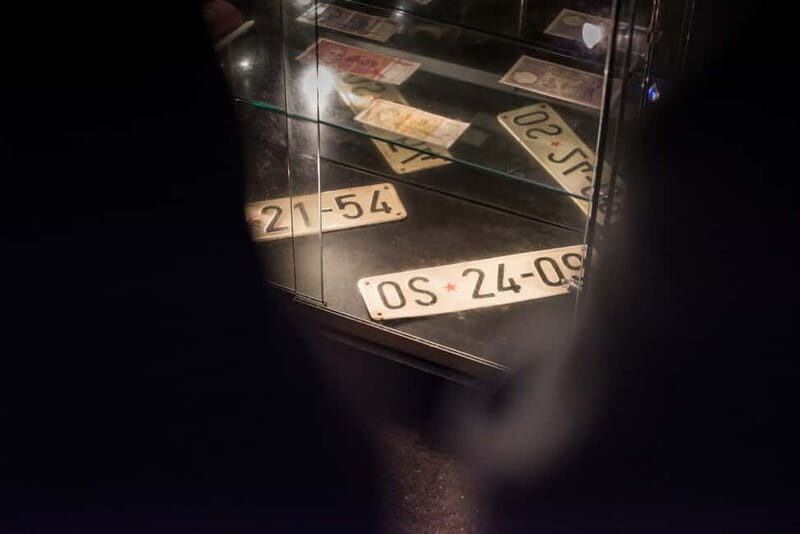
The tour starts in the heart of Zagreb at Ban Josip Jelačić Square, meeting in front of the horse statue. This is smart. You begin in a place that feels public and normal, then the guide gradually pulls you into the private world underneath the city.
Right away, you should expect a guided, explanatory tone rather than a casual stroll. The pacing is designed to fit a 2.5-hour window, with short guided segments, photo time, and sightseeing moments along the way.
If you want a calm introduction to modern Croatian history without needing a long research session, this start point helps. You’re not hunting for landmarks in your own head; the guide gives you the route and the thread.
Other Communism and Yugoslavia history tours in Zagreb



WWII underground tunnels: a 20th-century timeline under Zagreb
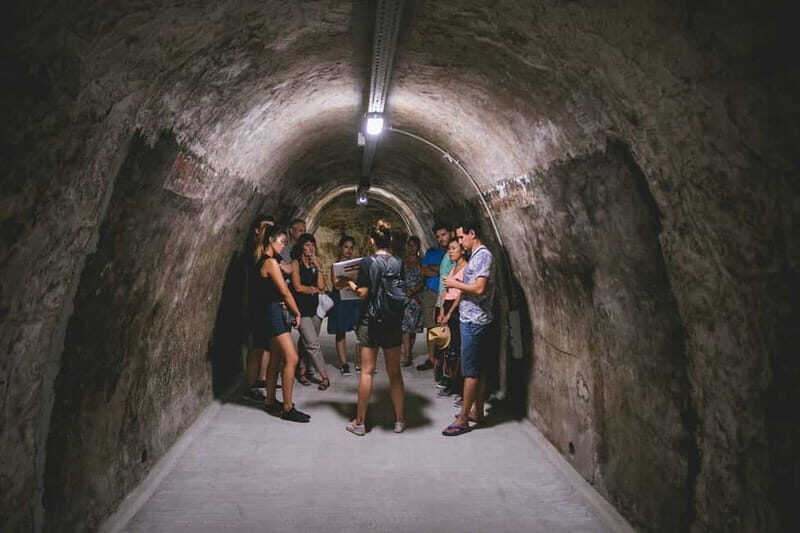
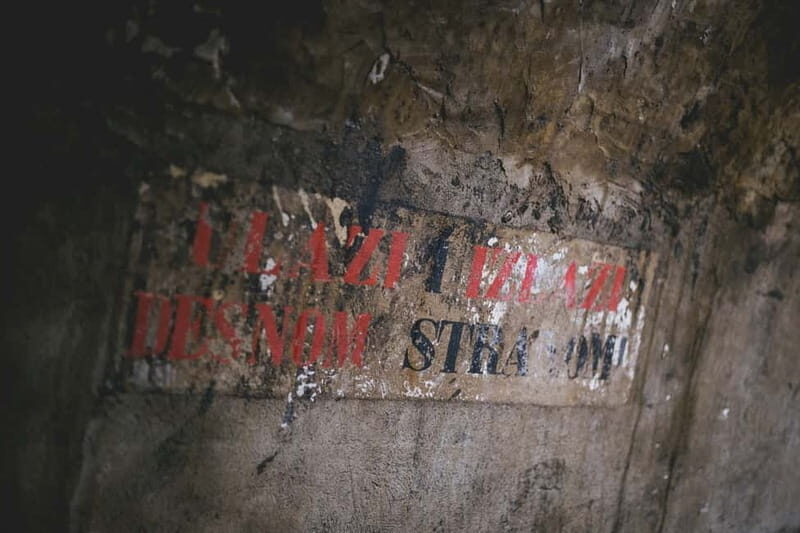
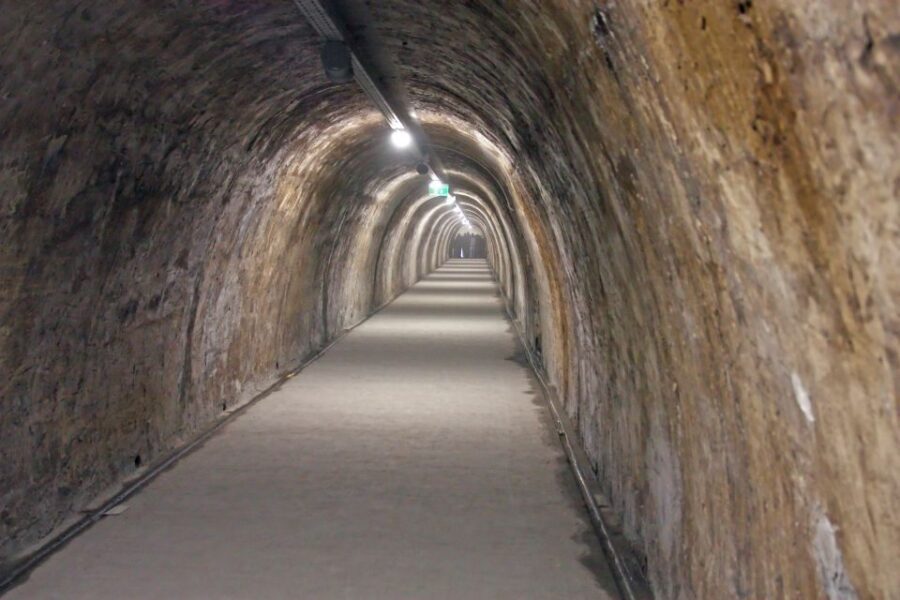
The first major shift happens underground, in the WWII tunnels. This isn’t presented as random sightseeing. The guide uses the space to walk you through the 20th century in Croatia and Zagreb—World War II, almost 50 years of communist Yugoslavia, and then the fall of communism in Croatia through the Homeland War.
That framing is valuable because it helps you stop thinking of Croatia’s modern story as separate eras. You start to see how one system shades into the next, and how the city itself holds memory in its infrastructure.
One practical note: the WWII tunnel visit can vary if there are events in the tunnels. So if you’re the type who hates uncertainty, you’ll want to keep your expectations flexible for underground access.
How the communist era and Yugoslavia context gets explained on the walk
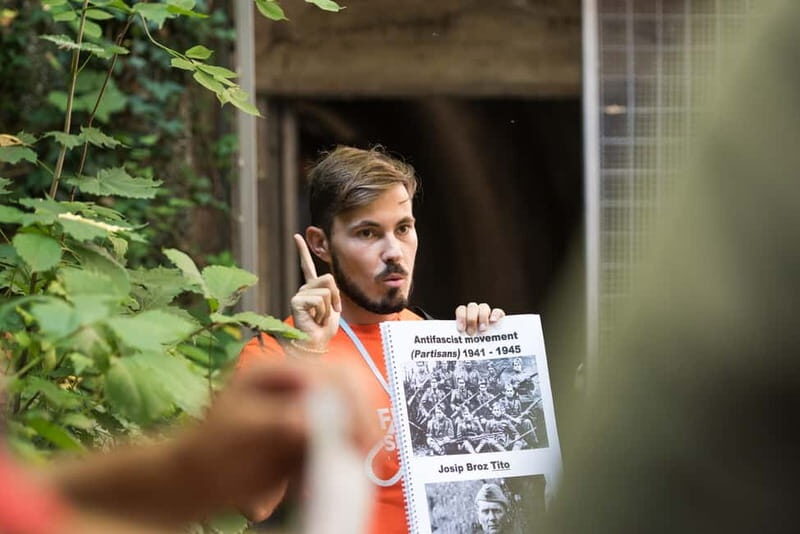
Between the underground history beats, you get guided context for what life was like during the communist era in Zagreb. The tour’s strength here is that it doesn’t treat communism as a distant political label.
Instead, you hear it tied to daily reality—how people lived, what the city felt like, and why the later collapse and conflict didn’t come out of nowhere. In a short 2.5 hours, that kind of context is the difference between memorizing facts and actually understanding why people reacted the way they did.
I also like that the tour builds toward the later break. When your guide keeps returning to cause-and-effect, the fall of Yugoslavia doesn’t feel like a sudden movie plot twist. It feels like the result of long pressure, shifting identities, and political change.
A photo stop and a less-touristy corner of Zagreb
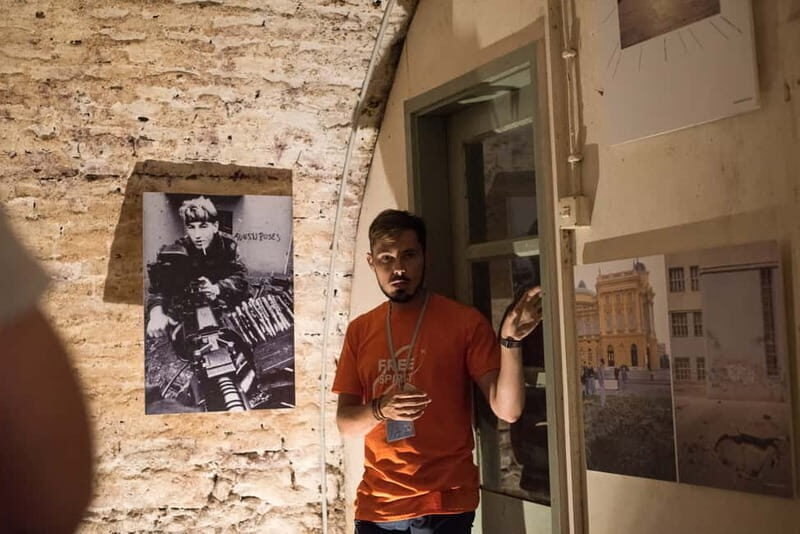
Mid-route, there’s a photo stop plus sightseeing time. This matters more than it sounds. If you’re going to hear about war and ideology, you also need moments where you can look around at the city above ground and place what you’re learning into real street geography.
Then there’s a longer guided segment at a spot described as a lesser-known highlight. You’re likely to come out of it with a sense that Zagreb isn’t only one landmark at a time. Instead, it’s a layered city—social, political, and architectural—where different decades left their mark.
For practical planning: keep your camera ready, but don’t treat photos like the main event. This tour is built for listening. Use the photo breaks to reset your brain and catch your breath.
The ’90s air-raid basement shelter: where the video lands
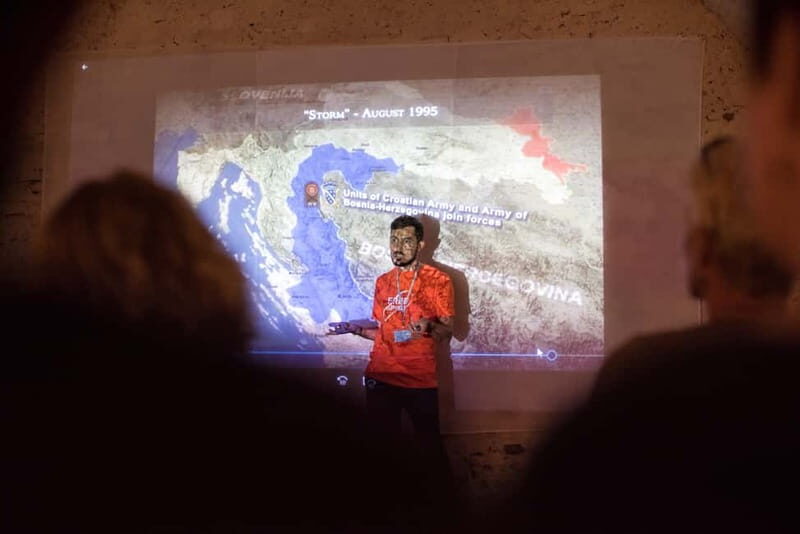
The tour finishes in a basement used as a shelter during the air raids on Zagreb in the ’90s. This is the emotional center of the experience. You’re not watching history from a distance, and the space itself changes how the story hits.
At the basement, the guide also shows a multimedia Homeland War presentation. The value of video here is simple: it gives structure when your head is full. After walking through the timeline and the political background, the presentation helps your brain organize what you just learned into a clearer storyline.
Even if you already know parts of Croatian history, this basement ending often feels like the moment that turns facts into feelings—fear, uncertainty, and the routines people had to form just to survive.




Guides and their style: why names like Darko and Ivana come up
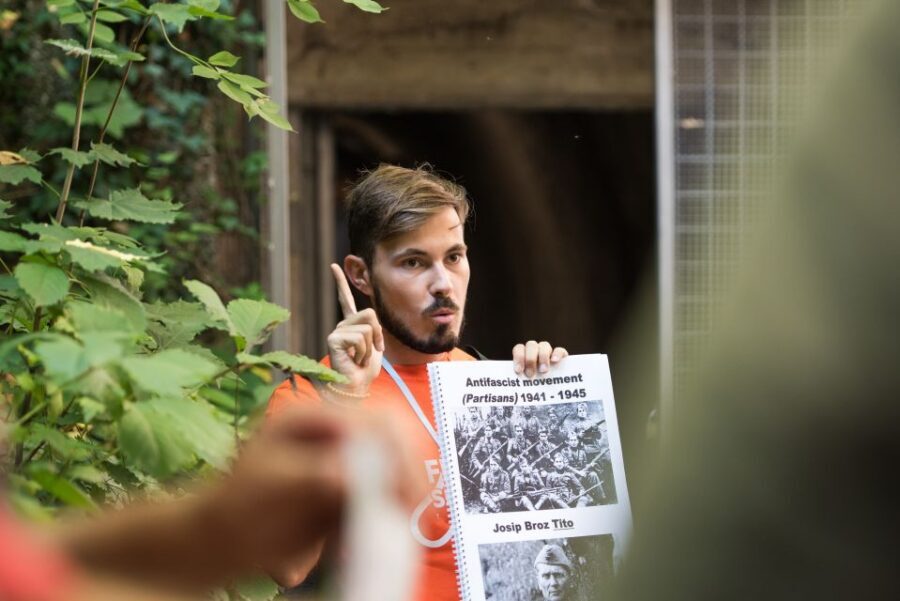
A big reason this tour earns sky-high marks is delivery. Multiple guides are mentioned with the same pattern: vivid storytelling, clear explanations, and a personal touch that makes the information stick.
Darko (sometimes spelled Drako) is praised for a voice that could carry over city noise, plus maps and pictures that help you follow along. Ivana is praised for being able to explain at a level that feels both detailed and easy to follow, and for sharing personal family experiences that give the history a human face. Vid and Diana also come up with strong performance energy and clear historical framing, while Didi is mentioned for being friendly and very knowledgeable in her presentation style.
What I think you should take from this: the guide matters. If you get a guide with good pacing, the tour feels fast and coherent, not like a lecture you’re trying to survive.
Also, balance is part of the tone. Some guides are specifically noted for being open and honest and for presenting more than one perspective where possible. That doesn’t make the topic easier, but it can make it more fair.
Timing, walking level, and what to wear
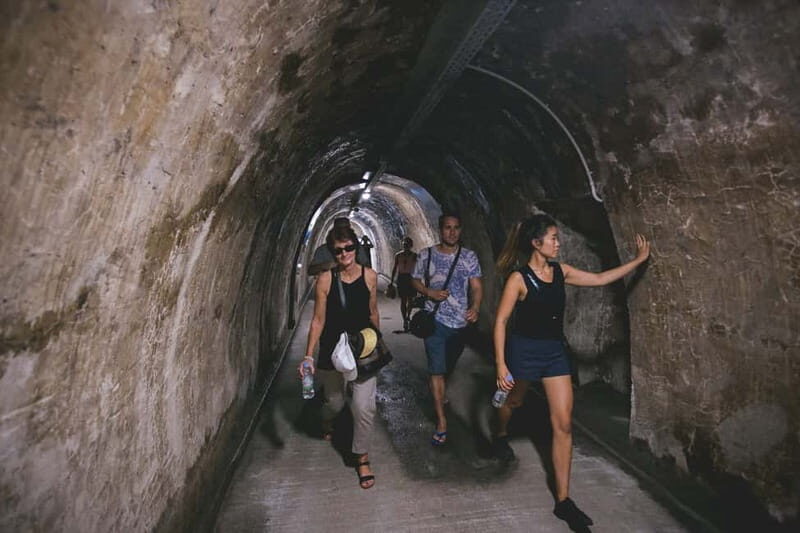
This is a walking tour lasting about 2.5 hours. The route includes several guided stretches, plus sightseeing and photo breaks. You’re not stuck for the entire 2.5 hours in one spot—but you should still plan for steady movement through the city.
The underground portions and the basement ending mean this isn’t the day to wear your fanciest shoes or assume you’ll stay warm. Dress for comfort. If you get cold easily, consider a light layer. If you’re prone to claustrophobia, you might want to think carefully before choosing an underground-heavy format.
There’s also an important accessibility point: it is not suitable for wheelchair users or for people with mobility impairments. If you have any doubt, treat that as a hard stop rather than a suggestion.
Value check: is $44 fair for tunnels plus a ’90s shelter?
At $44 per person for a 2.5-hour guided experience, the value is strong on paper because you’re getting more than one kind of stop.
You’re paying for:
- A walking tour with a local guide
- A visit to the WWII underground tunnels
- A visit to an authentic basement shelter used during air raids in the ’90s
- A multimedia Homeland War presentation
Many city history tours give you viewpoints and plaques. This one gives you two underground environments tied to different wars and political shifts, then backs it up with video. That combination makes the price easier to justify.
It also helps that the tour has an excellent track record, with a 4.9 rating from 779 reviews. That kind of rating usually points to consistent guide quality and a tour format people feel was worth their time.
Who should book this Zagreb commmunism and Homeland War tour
This tour is a good fit if you:
- Want modern Croatian history in a tight time window
- Like when facts connect to real places, not just museum panels
- Are comfortable with serious topics related to war and political collapse
- Prefer a guided narrative with visuals, like maps, pictures, and video
It may not be your best choice if you want light entertainment or a purely scenic walk. This is history with consequences, and the basement ending doesn’t soften the mood.
Should you book? My practical call
I’d book this tour if you want a clear, guided route through Zagreb’s most intense modern chapters: communist Yugoslavia, the fall of communism, and the Homeland War—anchored by two underground spaces you can actually stand inside.
I’d skip it if your priority is accessibility comfort, or if the idea of basements and shelters feels like too much for your nerves. Also skip if you’re hoping for a history lesson without emotional weight.
If you do book, go in ready to listen. Bring water, wear good shoes, and give the guide your full attention during the tunnel and basement segments. That’s when the experience turns from information into understanding.
FAQ
How long is the tour?
The tour lasts 2.5 hours.
Where does the tour start, and where does it end?
You meet in front of the horse statue at Ban Josip Jelačić Square, and the activity ends back at the same meeting point.
What languages is the tour offered in?
The live tour guide speaks Spanish and English.
What underground places are included?
You’ll visit the WWII underground tunnels and also the basement used as a shelter during air raids on Zagreb in the ’90s.
Is there any presentation included during the tour?
Yes. The tour includes a Croatian Homeland War multimedia presentation, shown in connection with the basement shelter visit.
What is the cancellation policy?
You can cancel up to 24 hours in advance for a full refund.
Are pets or luggage allowed?
Pets are not allowed. Luggage or large bags are also not allowed.
Is the tour suitable for people with mobility impairments?
No. It is not suitable for wheelchair users or people with mobility impairments.