REVIEW · ZAGREB
Kumrovec: Croatian Ethno Village & Josip Broz Tito’s Birthplace
Book on Viator →Operated by Servus Tours · Bookable on Viator
Tito began here, in a village you can walk. Kumrovec is an open-air museum of traditional homes that lets you connect everyday rural life to Josip Broz Tito’s childhood story. You don’t need a political science degree to follow it—you just wander, look closely, and listen.
What I like most is the way the village feels genuine and carefully kept—the houses, gardens, and exhibitions are presented in a way that makes the past feel readable. I also love the personal, human details inside Tito’s story, like how his home-life is shown through specific rooms and objects, not just big headlines.
One thing to consider: this is a history-heavy visit with a good amount of outdoor walking through the pedestrian village, so it’s best if you enjoy museums and slower, thoughtful sightseeing.
In This Review
- Key highlights of the Kumrovec & Tito Birthplace experience
- Kumrovec’s Core Idea: Tito’s Story Told Through Everyday Village Life
- Staro selo Museum: Walking Through Authentic Homes and Exhibitions
- A practical note on pacing
- Tito’s Childhood Stops: Statue, School, Arboretum, and the Home Tour
- Inside Tito’s Home: Public Life, Gifts, and a Cradle Detail
- Craft Rooms and Thatched Roofs: The Village’s Technical Side
- Food and Wine at the End: A Local Finish After the Museums
- Price and Timing: Is $328.59 Good Value?
- Who pays for this and feels glad they did
- Who This Tour Fits Best (and Who Might Prefer Something Else)
- Should You Book Kumrovec and Tito’s Birthplace?
- FAQ
- FAQ
- How long is the Kumrovec tour?
- Where does the tour start?
- Is pickup included?
- Is the museum admission included?
- Is this a private tour?
- What language is the tour offered in?
- Do I get a mobile ticket?
- Are group discounts available?
- When will I receive confirmation after booking?
- Can I cancel for a full refund?
Key highlights of the Kumrovec & Tito Birthplace experience
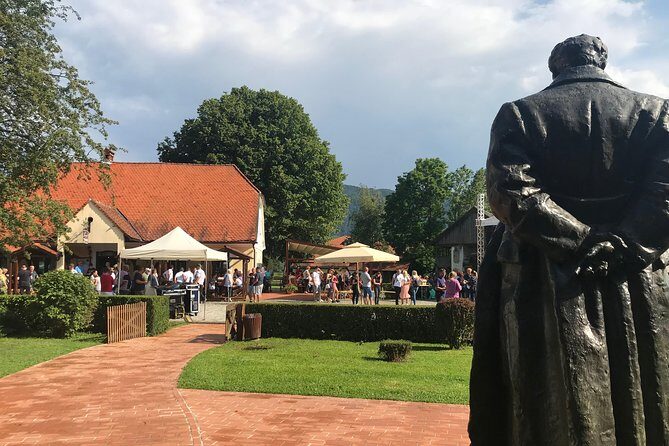
- Staro selo museum atmosphere: an open-air village format that makes rural life tangible
- Tito-focused stops: bronze statue, childhood elementary school, and an arboretum tied to public visitors
- Hands-on human details: objects and room displays that translate Tito’s life into specifics
- Craft and craft-tools displays: specialties like blacksmithing shown in period-style settings
- Village layout that stays pedestrian: easy to pace yourself without car traffic
- Food and wine time at the end: a simple local finish after the walking
Kumrovec’s Core Idea: Tito’s Story Told Through Everyday Village Life
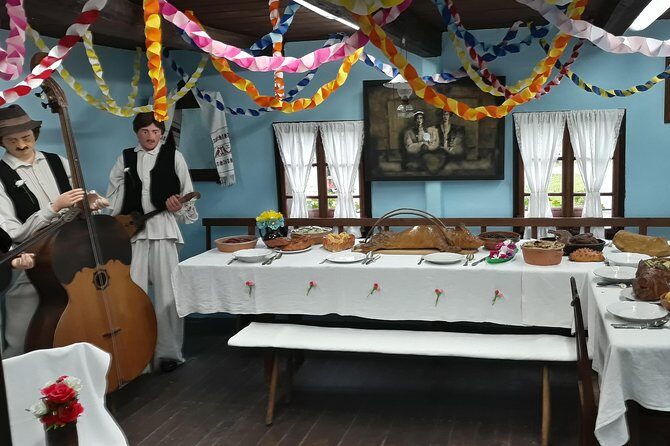
Kumrovec isn’t trying to be a theme park. It’s built around the look and feel of older Croatian rural life—especially the traditional homes called hize—and then links that setting directly to Tito’s childhood. You get the sense that the place mattered long before it became famous.
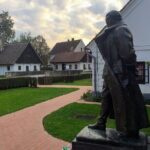
The museum approach helps you understand why certain details linger in people’s memory. The village includes a bronze statue honoring the communist Yugoslavia founder, Tito’s childhood elementary school, and even an arboretum where he hosted public figures. It’s history, but it’s anchored in real locations, not only dates.
Also, the village’s roots are older than the 20th century you’ll associate with Tito. You learn about the town’s founding in 1435, which adds weight to the idea that this is a living regional story, not a single-life biography.
Other Communism and Yugoslavia history tours in Zagreb


Staro selo Museum: Walking Through Authentic Homes and Exhibitions
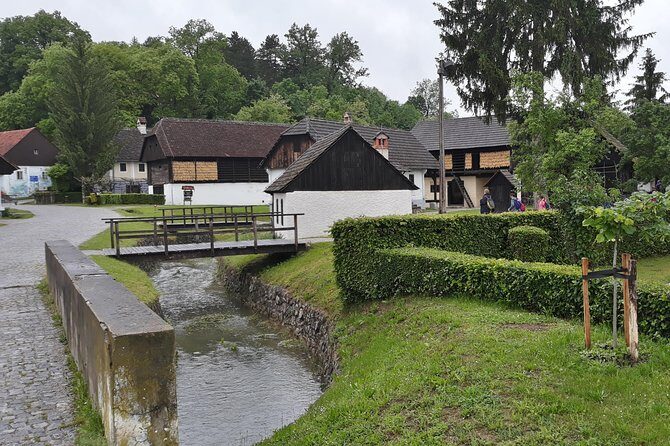
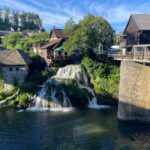
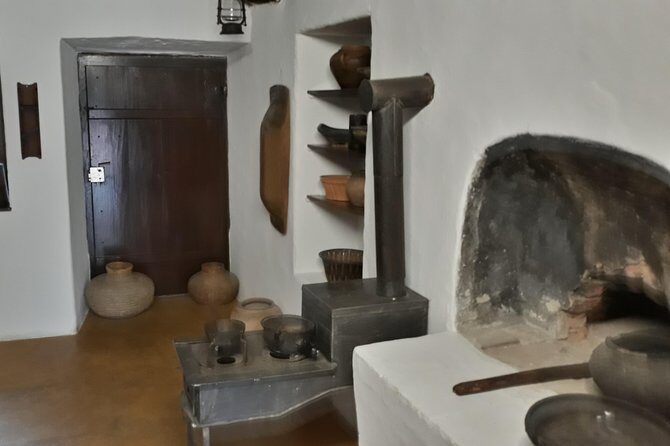
The main experience happens at Staro selo, an open-air museum built from historic homes from the 19th and early 20th centuries. As you go, you’ll see how the village is organized like a place where people once actually lived and worked. The best part is that the buildings are treated as buildings that belong where they are, not random props placed for decoration.
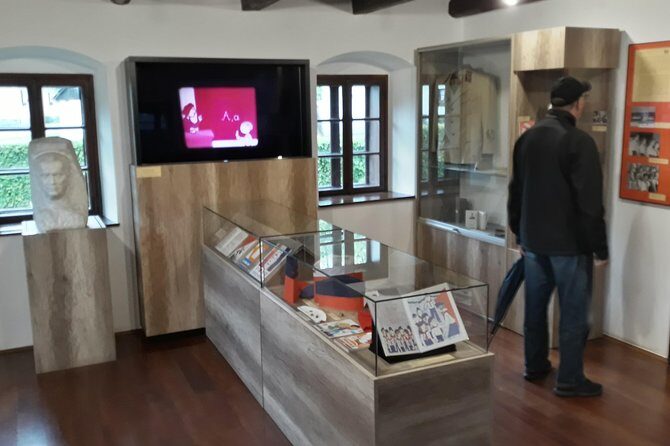
Inside the houses and rooms, you’re not just looking at walls and furniture. You’re seeing how daily life was arranged—arts, crafts, and household details are represented in different spaces. Some of the buildings focus on crafts and specialties (including blacksmithing), while others are more closely tied to Tito’s personal timeline.
The village is also well maintained, with gardens that make the walk feel pleasant even when you’re absorbing a lot of information. And because it’s designed for pedestrians, you can slow down and linger without worrying about traffic flow.
A practical note on pacing
This is a place where your best strategy is calm attention. Give yourself time to read what’s written inside the homes, then step back and look at the building as a whole. If you rush, you’ll miss the point: the exhibitions work best when you connect small objects to how people lived.
Tito’s Childhood Stops: Statue, School, Arboretum, and the Home Tour
Tito’s presence here isn’t abstract. The visit highlights a set of specific locations tied to his early years and later public life.
You’ll start with a bronze statue that frames the theme of communist Yugoslavia and Tito’s legacy. Then you move into places connected to his early education, including his childhood elementary school. These stops work because they’re simple and physical—you can stand where he stood and picture the years building up around him.
One of the more interesting moments is the arboretum, described as a place where Tito hosted public figures. That detail links the village’s quiet rhythm to the idea that even in rural surroundings, important visitors could enter his world. It adds a layer beyond the childhood setting.
Inside Tito’s Home: Public Life, Gifts, and a Cradle Detail
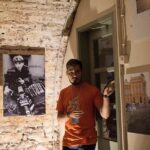
The most emotional part of the experience is the way Tito’s home-life connects with later public life. His home is open to visitors, but the presentation isn’t presented as museum-perfect every detail. Some furniture isn’t original, yet the overall effect is still grounded and meaningful.
A standout detail involves an original cradle. You’re shown that it has scratches on the floor from being rocked often. It’s a small thing, but it hits hard because it’s the kind of mark that can’t be faked by a label. Tito had seven siblings, and this clue helps you picture how constant movement and family life likely were.
Another room focuses on Tito’s public life and includes gifts from dignitaries. And the story goes even bigger: his funeral is referenced with the fact that it included 100 heads of state. That contrast—quiet rural beginnings, then a world-stage farewell—lands more clearly when you’ve just walked through the rooms where the early years started.



Craft Rooms and Thatched Roofs: The Village’s Technical Side
Kumrovec isn’t only about Tito. It’s also about the village as a working community.
You’ll encounter buildings dedicated to crafts and practical trades, with tools and workshop-style displays that help you see how specialties like blacksmithing fit into daily life. These parts of the village give you a breather from political biography and remind you what a rural economy looked like in earlier centuries.
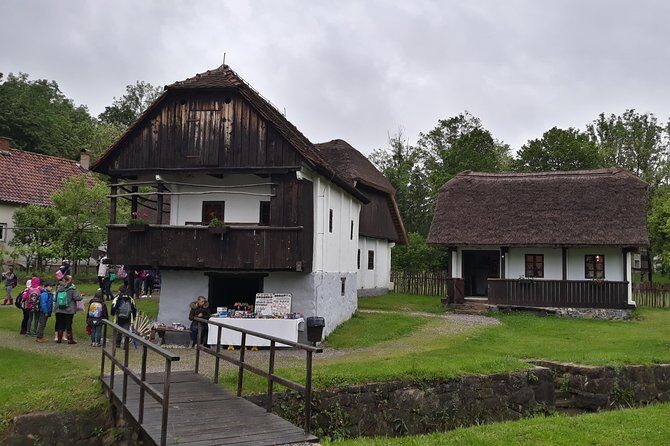
Even the village roofs are treated as part of the living system. Some buildings have thatched roofs, and you’ll learn they need replacement only about every 30 years. It’s the kind of detail that makes you realize how long people planned around materials, seasons, and labor.
The souvenir shop adds another layer. You may see Tito-themed items such as T-shirts and magnets, alongside traditional hand-made toys. It’s not a replacement for the exhibits, but it’s a way to bring a piece of the experience home.
Food and Wine at the End: A Local Finish After the Museums
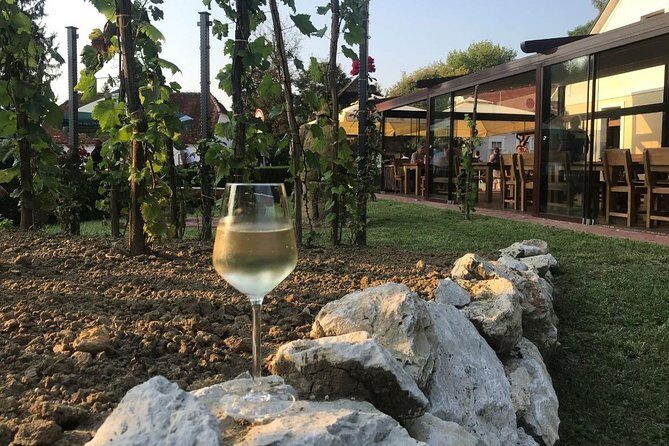
At the end of your visit, you’ll get time to enjoy local food and wine. This is a good rhythm choice because it prevents the experience from ending on pure museum fatigue. It also gives you a chance to sit down, look over photos, and let the stories settle.
Within the village area, there are also spots where you can grab cafes or snacks during your free time. So even if you’re not ready to linger for a full meal, you should be able to find something simple to keep your energy up.
If you like to plan, treat this segment as a chance to slow down and do a final scan of the shops and garden edges—then wrap up with something you’ll remember from the region.
Price and Timing: Is $328.59 Good Value?
The price is $328.59 per person, and it’s for a half-day experience of about 5 hours with pickup from Zagreb and an English-speaking guide. Since admission to the Staro selo museum is included, you’re not stuck adding another ticket cost on the fly.
So what are you really buying for that money? You’re paying for three things that add up fast in real travel life: transportation with pickup, a focused Tito-and-village route that keeps you from guessing where to go, and the convenience of a mobile ticket. There’s also mention of group discounts, which can make a private-style visit feel more reachable if you’re traveling with others.
Is it cheap? No. But if you’d otherwise spend time figuring out how to reach the village and where to start, the structure is part of the value. And because it’s a private tour/activity with only your group participating, you generally get a more relaxed pacing than you would on a crowded public bus day.
Who pays for this and feels glad they did
- People who like guided context, especially for historical places with many rooms and details
- Small groups who want a quieter outing with pickup and a set route
- Anyone who enjoys rural architecture and craft displays, not only landmark monuments
Who This Tour Fits Best (and Who Might Prefer Something Else)
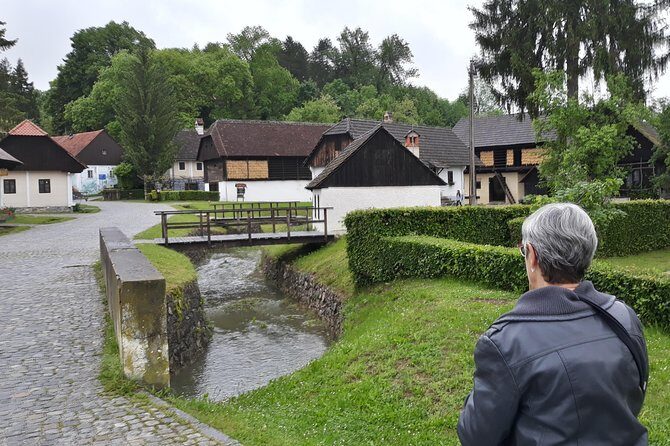
You’ll likely enjoy Kumrovec most if you like history that you can see in real buildings—especially when it’s tied to a human story. The village works well for people who enjoy careful observation: rooftops, house interiors, workshop tools, and the way exhibitions are placed in context.
It’s also a strong choice if you’re curious about 20th-century politics but want it grounded. Here, the political figure is explained through the place that shaped him: school, home, and the village rhythm around him.
On the other hand, if your ideal day is fast sightseeing, modern city highlights, or mostly outdoor views without much reading, this may feel like too much museum time for a single half day. It’s not built to move at a sprint. It works when you slow down.
Should You Book Kumrovec and Tito’s Birthplace?
If you’re doing Zagreb and you want one side-trip that’s specific, meaningful, and easy to understand without prior knowledge, I’d say yes. Kumrovec gives you a rare mix: a preserved open-air village, Tito-linked locations you can physically visit, and details that turn a big historical figure into a human timeline.
Book it especially if you like authentic rural settings and craft-focused exhibits, and if you’re okay with a history-centered morning/early afternoon that ends with food and wine. Skip it if you’re mainly hunting for high-energy urban sights or you prefer purely self-guided wandering with no guided framing.
FAQ
FAQ
How long is the Kumrovec tour?
The tour runs about 5 hours.
Where does the tour start?
It starts at 9:00 am, with pickup offered from Zagreb.
Is pickup included?
Yes. The experience includes pickup for all travelers.
Is the museum admission included?
Yes. An admission ticket for the Staro selo museum is included.
Is this a private tour?
Yes. It’s a private activity, and only your group participates.
What language is the tour offered in?
The tour is offered in English.
Do I get a mobile ticket?
Yes. A mobile ticket is provided.
Are group discounts available?
Yes. Group discounts are mentioned as part of the offering.
When will I receive confirmation after booking?
Confirmation is received within 48 hours of booking, subject to availability.
Can I cancel for a full refund?
Free cancellation is available. You can cancel up to 24 hours in advance for a full refund. Canceling less than 24 hours before the start time is not refunded.