REVIEW · ZAGREB
Zagreb: Explore with an Art Historian – Private Walking Tour
Book on GetYourGuide →Operated by Sveklest Zagreb Art Tours · Bookable on GetYourGuide
Zagreb rewards slow walking. This private walking tour led by Jana, a licensed guide and art historian, turns the city into a set of clues you can actually see and understand as you go. It is not a checklist. It is a relaxed way to notice what locals notice.
I especially like how the walk pairs daily life with the major visual anchors of Zagreb, from Dolac Market to the Cathedral and beyond. You learn why places matter culturally, not just what they look like.
One consideration: at $40 per person for about 1.5 hours, you’ll get the most value if you enjoy conversation, wandering at a human pace, and asking questions. If you want a fast, photo-only route, this format may feel too un-rushed.
In This Review
- Key takeaways before you go
- A private Zagreb walk that feels like a conversation
- Starting at Ban Jelačić Square: the city’s main meeting point
- Cathedral of Zagreb: beyond architecture into cultural meaning
- Dolac Market: where Zagreb still runs on real-time life
- Stone Gate and the walk into Upper Town
- St. Mark’s Church: a stop that connects identity and skyline
- The secret stops: where the tour earns its title
- Lotrščak Tower: the view segment that makes everything click
- The pacing: why 1.5 hours works so well
- Price and value: is $40 worth it?
- What languages to plan for
- Who this tour is for (and who should skip it)
- Quick practical tips for your walk
- Should you book Zagreb: Explore with an Art Historian?
- FAQ
- Where does the tour start?
- Where does the tour end?
- How long is the tour?
- Is it a private tour?
- What language is the guide?
- What sights will we see?
- What is included in the price?
- How much does it cost?
- Is there time for photos and questions?
- What’s the cancellation policy?
Key takeaways before you go
- Art historian-led storytelling: Jana connects what you’re seeing to how Zagreb grew and what still lingers.
- A calm, no-rush pace with time for photos and questions.
- Mix of big sights and small corners, including multiple “secret” style detours.
- Dolac Market as a living stop, not a staged attraction.
- Multi-language guiding in English, Russian, and Croatian (and yes, Russian is a strong fit).
A private Zagreb walk that feels like a conversation
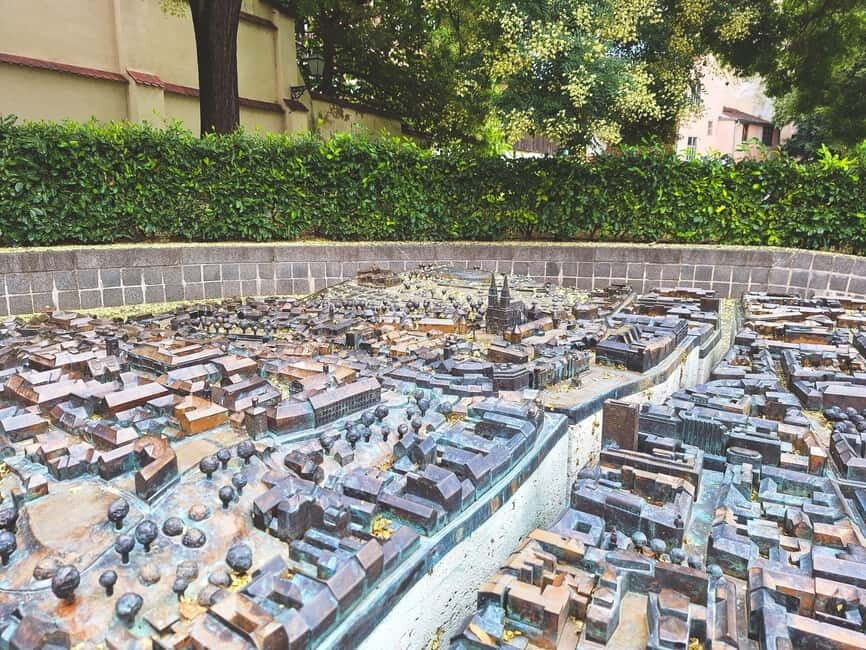
If you’ve ever walked a historic city and felt like you were reading a placard instead of meeting a place, this tour is the fix. The whole idea is to slow down and let Zagreb’s layers show up in real time: street corners, signage, building details, and the small rhythms of daily life.
You’re not stuck with a rigid route where you’re whisked from one landmark to the next. Jana’s approach is intentionally relaxed, with room for questions and pauses for photos. That matters in Zagreb because the city’s character shows in fragments. A single view from an Upper Town viewpoint, the feel of a market street, or the weight of a church facade can tell you more than a pile of dates.
Also, since it is a private group, the guide can shape the pace around your interests. If you want architecture and symbols, she can lean that way. If you want local routines and legends, she can focus there too. Either way, you’re walking with someone who knows Zagreb deeply and speaks like she’s talking to a friend who cares.
Other private walking tours in Zagreb

Starting at Ban Jelačić Square: the city’s main meeting point
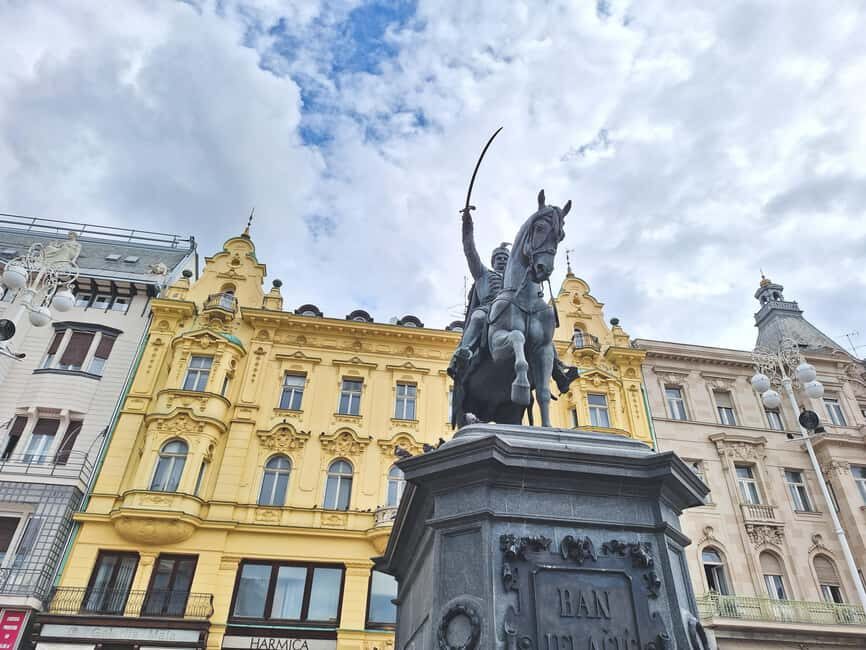
Most first-time visits start with a plan. This one starts with a feeling. You begin at Ban Jelačić Square, meeting the guide in front of the Visitor Info Center at the southeast corner of the main square.
This square is more than a waypoint. It’s where you can sense the pulse of Zagreb: people crossing, conversations starting, and the city’s center behaving like a living space. Starting here is smart because it gives you a reference point right away. Once you have the square in your mind, the walk upward into Upper Town later feels like a journey through layers rather than a random change of scenery.
You’ll get an initial orientation, then move on quickly enough to keep momentum—but not so fast that you miss details. Even the first ten minutes are about teaching you how to look.
Cathedral of Zagreb: beyond architecture into cultural meaning
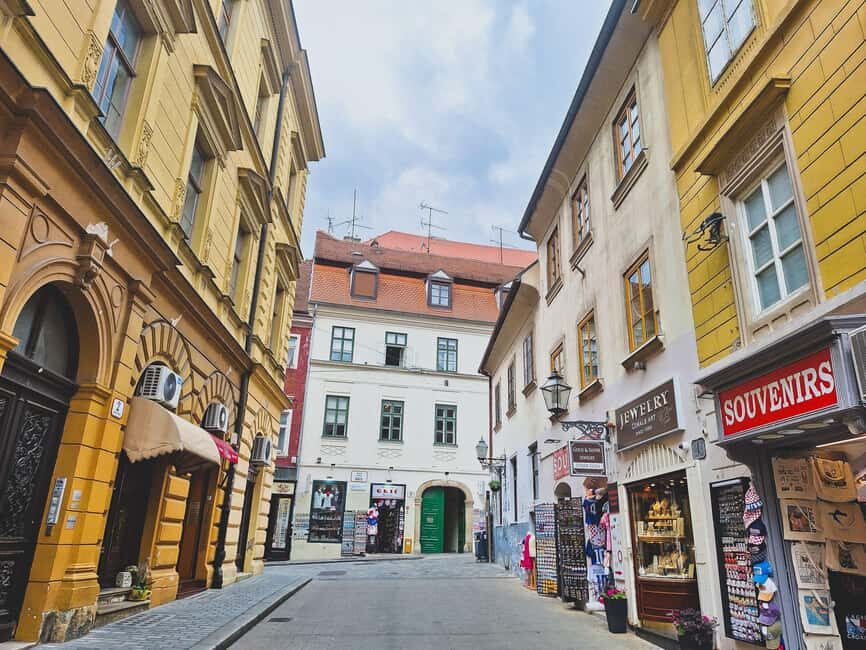
Next comes the Cathedral of Zagreb. You’ll spend a short, focused stop there, but the point isn’t just taking in the facade. The guide explains why it matters culturally, not only architecturally.
This is where an art historian makes a difference. A regular tour might say, in effect, look at the style and move along. Here, you’re guided to notice what the cathedral represents to local identity—how the city’s religious and civic life intersected and why that intersection still shapes how people feel about the place today.
Practical takeaway: if you’re the type who enjoys symbols, design choices, and meaning behind public monuments, you’ll appreciate this stop. If you prefer purely visual sightseeing, you can still enjoy it, but the value is in the context.
Dolac Market: where Zagreb still runs on real-time life
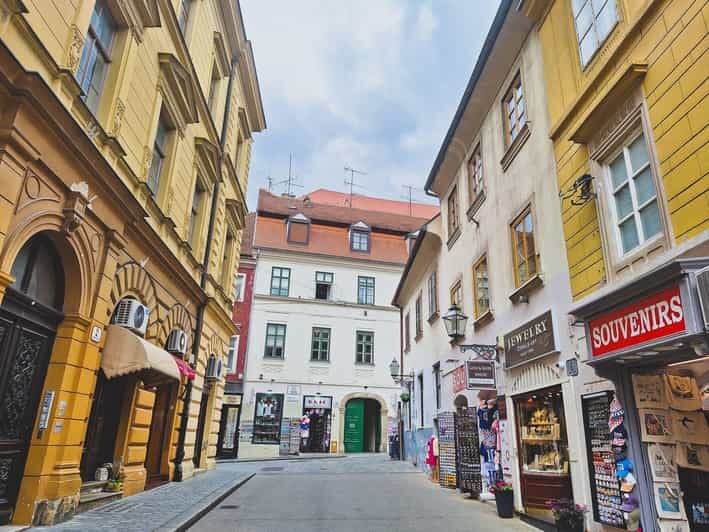
Then you hit Dolac Market, one of the most important places to understand day-to-day Zagreb. It’s easy to treat markets like background scenery for photos. This stop is handled differently: you’re guided to see how life still moves at its own rhythm.
Spending time at Dolac Market gives you something big tourists miss. Markets aren’t just where people buy food. They’re social space, local routine, and a window into what locals consider normal. When Jana talks about the city’s layers here, it often comes down to how geography, history, and daily habits shaped the market’s role in the center.
Even if you don’t plan to buy anything, you’ll get a better mental map of Zagreb. You’ll understand why certain streets feel more practical than scenic. And you’ll probably catch yourself paying attention to who’s here, what they’re doing, and how quickly the space “works.”
Stone Gate and the walk into Upper Town
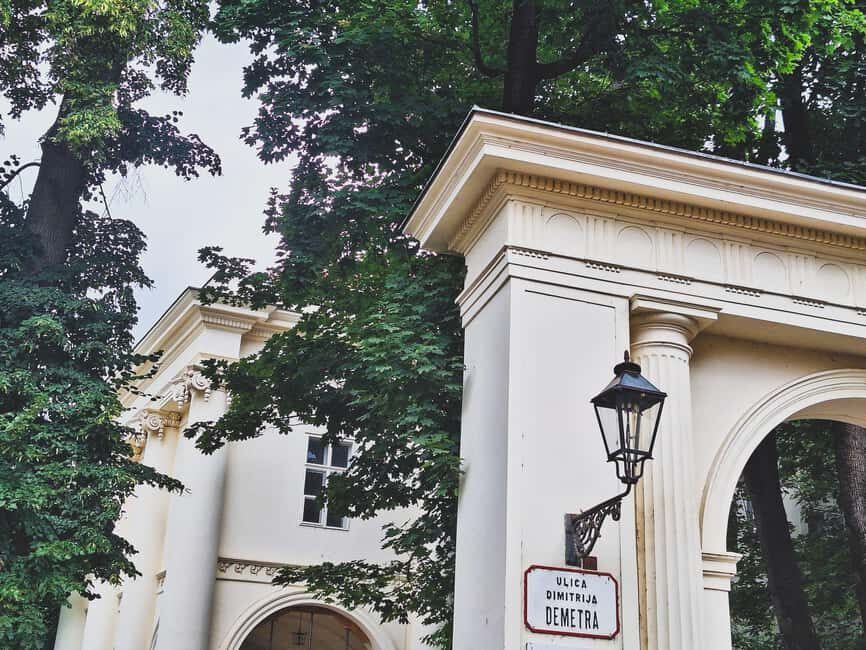
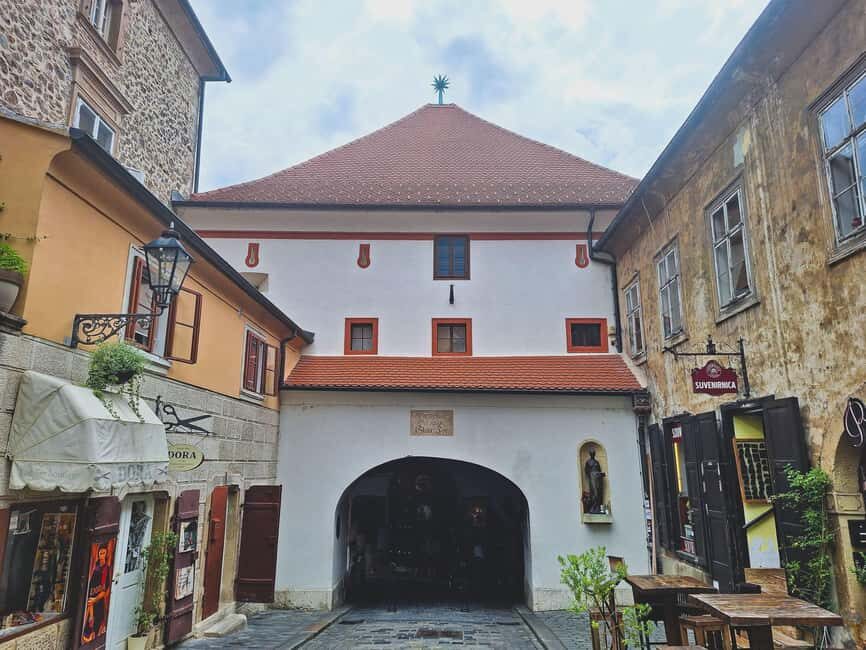
After the market, you pass by the Stone Gate. This is another stop where the tour’s philosophy shows. Instead of making it a quick photo break, you get time to see how the city’s earlier boundaries and pathways influenced what came next.
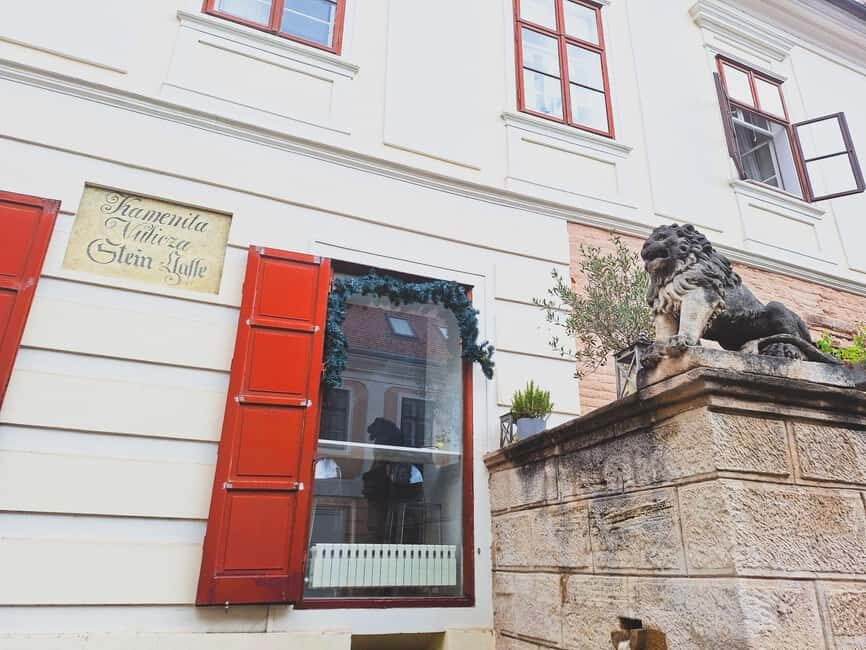
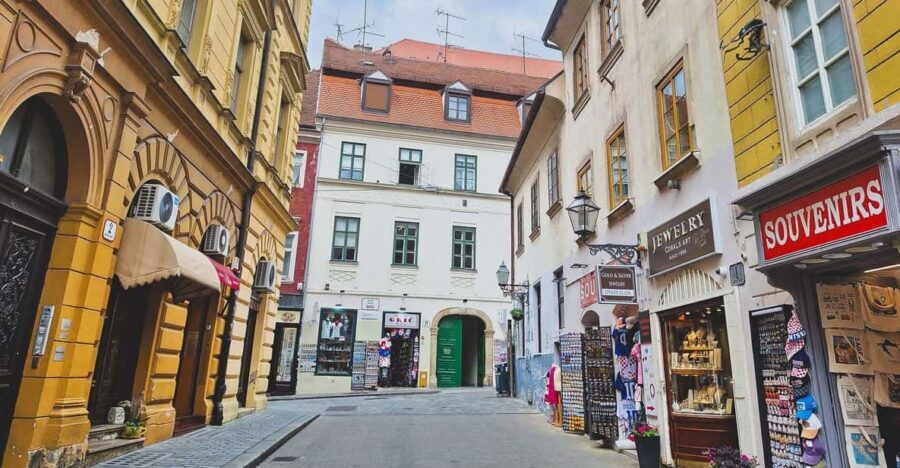
Then it’s on into Upper Town, where Zagreb’s different eras start to feel more obvious. Narrower streets, layered architecture, and the sense that the city is stacked in time can be obvious to anyone—but the art historian lens helps you interpret what you’re actually seeing.
The best part of this segment is that it doesn’t feel like a museum corridor. You’re walking through lived space. Even the pauses feel purposeful: you’re not waiting for the next stop because someone said so. You’re waiting because the guide has spotted something you’ll likely overlook alone—like a detail in a building or a sign that hints at Zagreb’s change over time.
Other walking tours we've reviewed in Zagreb


St. Mark’s Church: a stop that connects identity and skyline
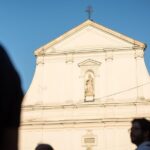
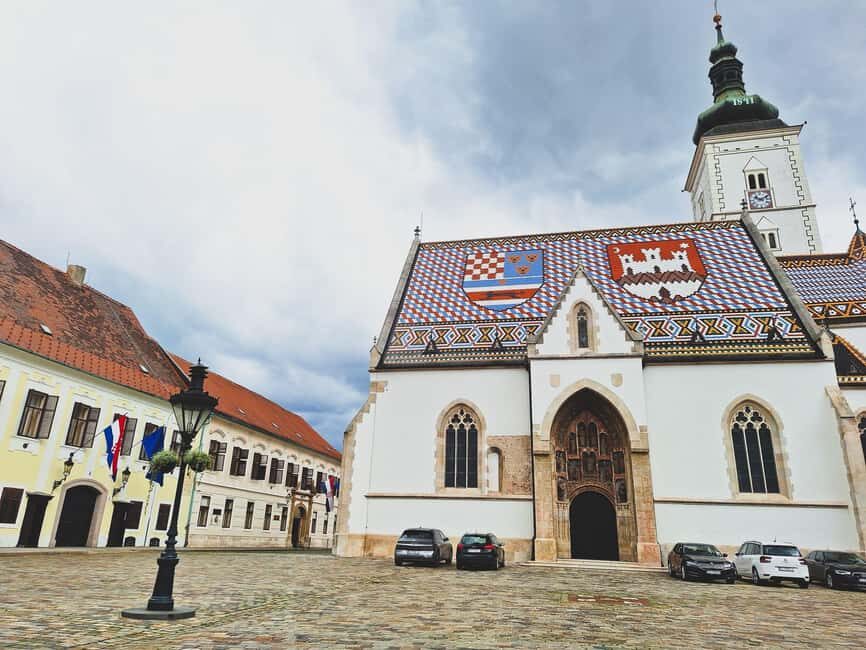
You’ll next visit St. Mark’s Church. The stop is short, but it fits the overall pattern: you’re not just looking at the church as an object. You’re learning why it matters and how it sits inside the cultural story of the city.
This is a great moment to ask questions. If you’re curious about what symbols mean, how people relate to historic religious sites, or why certain views keep showing up in local memory, this is the kind of place where answers land fast.
Tip for you: bring your phone or camera, but keep your eyes up for the details the guide calls out. That’s usually where the “wow, I didn’t notice that” moments happen.
The secret stops: where the tour earns its title
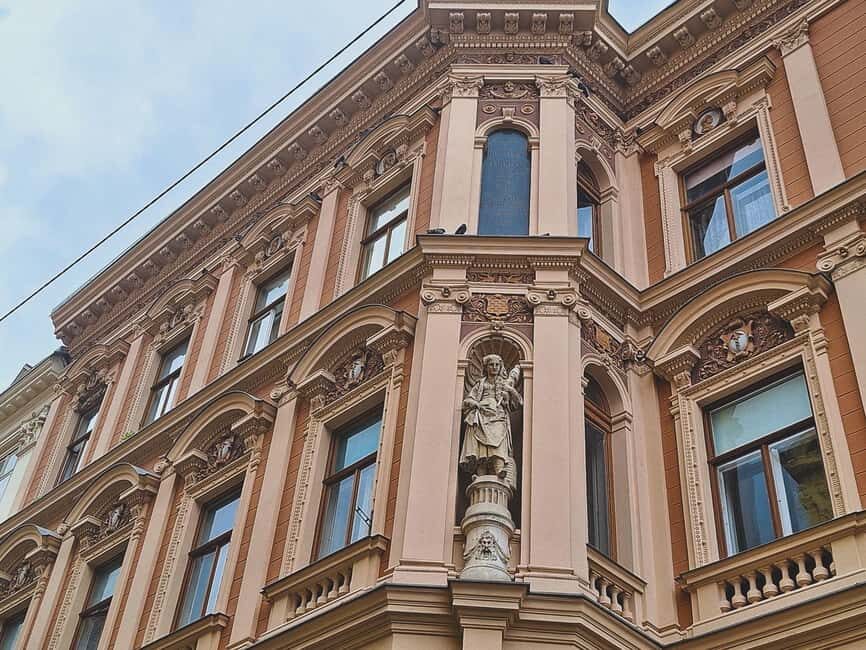
Between the major landmarks, you’ll have multiple secret-style detours (one around 20 minutes, another around 10 minutes, plus a longer tucked-away pause of about 30 minutes). These are the sections that make the tour feel personal instead of generic.
What you can count on, based on how Jana describes the experience, is that these stops focus on small signals: building details, street markers, and the kind of local legends or personal stories that don’t live on postcards. You’re also given time to absorb the space rather than sprint through it.
Because the exact spots aren’t listed as big public landmarks, these stops are ideal if you like:
- quiet corners in busy central areas
- streets that feel slightly off the main visitor track
- learning to recognize what makes Zagreb feel like Zagreb, not just Croatia
And they’re also a good fit if you’re traveling with someone who gets bored by pure sightseeing. The secrets create variety, and the guide can tailor which kind of story you hear depending on your questions.
Lotrščak Tower: the view segment that makes everything click
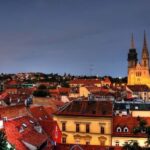
The tour ends with a stop at Lotrščak Tower. This is where the city’s layout becomes easier to understand. After walking through central streets and Upper Town, you’ll likely feel the geography more clearly.
Even without a long, drawn-out explanation, the tower stop works because you’ve already been trained to look: you know what to notice now. The walk has given you reference points, so a viewpoint becomes more meaningful. It’s not just a pretty skyline. It’s a way to connect the streets you just walked with the city’s shape.
If you care about photos, this is a good stop to treat as your visual wrap-up. Give yourself time to frame shots, and if sunset is part of your plan, you can ask Jana for suggestions. One of the standout things about her guidance is how willing she is to think ahead and point you toward a good place to watch light change over the city.
The pacing: why 1.5 hours works so well
The total time is about 1.5 hours, which is perfect for a center-city experience where the point is interpretation, not endurance. This is not a full-day walking marathon, and it doesn’t try to cram in every famous monument.
The pacing is thoughtful:
- short stops at key anchors
- walking time that keeps momentum
- pauses for photos and questions
- extra time reserved for those lesser-seen corners
That rhythm is what makes the tour feel relaxed. It’s also what makes it efficient. You’re learning to notice patterns without burning your whole day.
If you’re planning other activities afterward, you’ll be in good shape for it. Zagreb’s core is walkable, so you can often roll straight into lunch or a museum visit without needing transit plans.
Price and value: is $40 worth it?
At $40 per person for a private, guided walk of roughly 90 minutes, this is priced like a specialty experience rather than a mass-market group tour. The value comes from three things that are hard to replicate on your own:
1) A guide with art-historian training
You’re getting context you don’t automatically pick up from plaques. It helps you understand cultural significance and interpret details.
2) A private format
You’re not listening to your guide talk at a crowd. Jana can keep the experience responsive, and you can ask the kinds of questions that actually fit what you’re standing next to.
3) Time allocation that respects real sightseeing
You’re not getting rushed through “must-sees.” You get time at the places that matter for the story, plus time in the corners that build atmosphere.
If you’re the type of traveler who likes walking tours only when they add meaning, this tends to be a fair exchange. If you mainly want a fast route and basic descriptions, you may feel the cost is higher than you need.
What languages to plan for
The tour is offered with a live guide in English, Russian, and Croatian. In practice, that flexibility is more than convenience. It changes how well you can follow nuance and ask questions without losing the thread.
If Russian is your preference, you’ll likely appreciate the guide’s fluency and clear, engaging way of explaining things. If you’re traveling in English, the narration still keeps that “story, place, meaning” structure that makes the walk enjoyable rather than academic.
If you’re booking for a mixed group, the language offering makes coordination easier than some tours that only run in one tongue.
Who this tour is for (and who should skip it)
This experience is a strong match if you:
- want Zagreb through stories tied to places, not just facts
- enjoy a relaxed walk with time to stop and look closely
- like cultural meaning behind architecture and landmarks
- prefer private, conversation-friendly guiding
It may not be ideal if you:
- want a strict, high-speed highlight reel
- don’t enjoy interpretation and would rather read guidebooks on your own
- are looking for a very long, packed itinerary
Because it’s structured around a calm pace, it suits travelers who like quality over quantity. It’s also a good choice if you have limited time but still want the city to feel personal.
Quick practical tips for your walk
Wear shoes you trust. Zagreb’s center is walkable, but the Upper Town segments and stone-surfaces can be a little uneven depending on where you step. Bring water for a warm day.
If you care about photos, treat the tour stops as built-in photo windows, but don’t only rely on your camera. This is the kind of walk where the best memories come from the things you notice while looking up.
And if you’re interested in light, views, or timing your own extra sightseeing afterward, ask Jana. She’s the kind of guide who can offer practical suggestions for where to spend time, including sunset viewpoints.
Should you book Zagreb: Explore with an Art Historian?
Yes, if you want Zagreb to feel like a city you understand, not just a place you visited. The strongest reason to book is the guide: Jana blends art-historian context with local storytelling and a pace that gives you room to absorb.
This tour is especially worth it when:
- you’re spending limited time in Zagreb but want meaning
- you like walking tours that teach you how to notice
- you want a private experience where questions actually matter
If you want a rapid march through the highlights with minimal conversation, pick a different style of tour. But if you’re curious about how Zagreb’s past lives in street-level details, this 90-minute walk is a smart use of your time.
FAQ
Where does the tour start?
The meeting point is in front of the Visitor Info Center, at the southeast corner of Ban Jelačić Square.
Where does the tour end?
The tour ends back at the starting meeting point on Ban Jelačić Square.
How long is the tour?
The duration is about 1.5 hours.
Is it a private tour?
Yes, it’s a private group experience.
What language is the guide?
The guide offers live commentary in English, Russian, and Croatian.
What sights will we see?
You’ll visit Ban Jelačić Square, the Cathedral of Zagreb, Dolac Market, Stone Gate, St. Mark’s Church, and Lotrščak Tower, plus additional stops described as secret detours.
What is included in the price?
The guide is included.
How much does it cost?
The price is listed as $40 per person.
Is there time for photos and questions?
Yes. The experience includes time for questions, photos, and taking in the surroundings.
What’s the cancellation policy?
You can cancel up to 24 hours in advance for a full refund.