REVIEW · ZAGREB
Best of Zagreb Walking Tour
Book on GetYourGuide →Operated by Swanky Travel · Bookable on GetYourGuide
Zagreb runs on stories and shortcuts. This walking tour strings together the city’s most memorable sights in a smart, mostly flat-for-its-own-hills rhythm, starting with a tunnel ride and a funicular that locals treat like a landmark. I love the story-first guide approach, and I love how the route gives you both iconic monuments and everyday city life in just 3 hours. You’ll also get time to ask questions and get practical ideas for the rest of your trip.
The other big win is the guide. Iva (shown as the lead guide in recent bookings) brings serious detail without turning it into a lecture, and her English is described as impeccable. In small groups capped at 10, she can slow down when you want photos, answers, or simple recommendations like where to eat and what to shop for next.
One consideration: this is a walking tour with stops in older, hilly areas, and it’s not recommended for limited mobility. Also, sacred sites mean you’ll need to cover sleeves and knees before you go inside.
In This Review
- Key things I’d circle on your plan
- Starting on Ilica 50: small group, big city focus
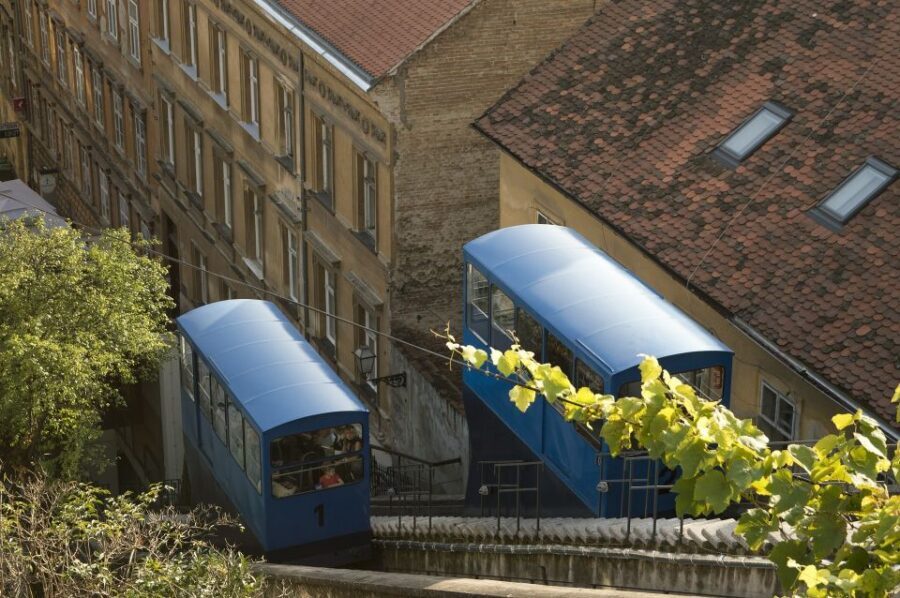
- Grič tunnel and the shortest funicular: a fun start with purpose
- Main Square first: what Zagreb was, and why it still matters
- Zagreb Cathedral: sacred landmark with practical dress rules
- Upper Town market site and Kumica: everyday tradition meets old walls
- Stone Gate and the story beneath the walls
- St. Mark’s Square and church: rulers, rebellions, and real context
- Lotrščak Tower and the daily canon: best viewpoint energy
- Price and logistics: is $84 per group up to 2 good value?
- Comfort and dress: the two things that can make or break the experience
- How to get the most from a 3-hour walk
- Should you book this Best of Zagreb Walking Tour?
- FAQ
- How long is the Best of Zagreb Walking Tour?
- How much does the tour cost?
- Where is the meeting point?
- Is the tour guide available in English?
- How many people are in the group?
- What is included in the tour?
- Are food and drinks included?
- What should I bring?
- What clothing is required for sacred places?
- Is it suitable for people with mobility impairments?
Key things I’d circle on your plan
- Grič tunnel + the shortest funicular in the world to kick things off with a real sense of place
- Zagreb Cathedral as the key sacred landmark, with guidance on what to do and how to look
- Upper Town’s oldest open market site and the tradition of Kumica
- Stone Gate plus an unusual story that connects the site to what’s under the walls
- St. Mark’s Square and church tied to rulers and peasant rebellions
- Lotrščak Tower and the daily canon for photos from one of the best viewpoints
Starting on Ilica 50: small group, big city focus
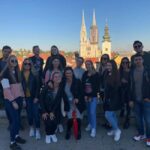
You meet at Ilica 50, and the tour runs 3 hours. That length matters in Zagreb. You get enough time to see major landmarks without feeling like you’re sprinting between them, and you still end up with energy to explore after. The group is limited to 10 participants, which usually translates into a tour that doesn’t feel like you’re hiding behind a crowd.
This is led by a professional licensed local guide speaking English, with a plan that blends guided stops with a walking pace that lets you actually notice details. There’s also a photo stop built into the walk, which is helpful if you want one or two strong “postcard” moments without spending the whole tour staring at your screen.
One subtle but useful benefit: the guide doesn’t just point out sights. They also build in time for questions and suggestions—where to eat, what to shop for, and how to keep your itinerary logical. If you’ve got even a couple of days in Zagreb, this kind of guidance can save you money and wasted time later.
If you’re booking as a couple, the pricing is listed as $84 per group up to 2. That’s not “cheap like a bus,” but it is the kind of structure that can make the cost feel more fair if you’re traveling with a partner rather than solo.
Other walking tours we've reviewed in Zagreb

Grič tunnel and the shortest funicular: a fun start with purpose
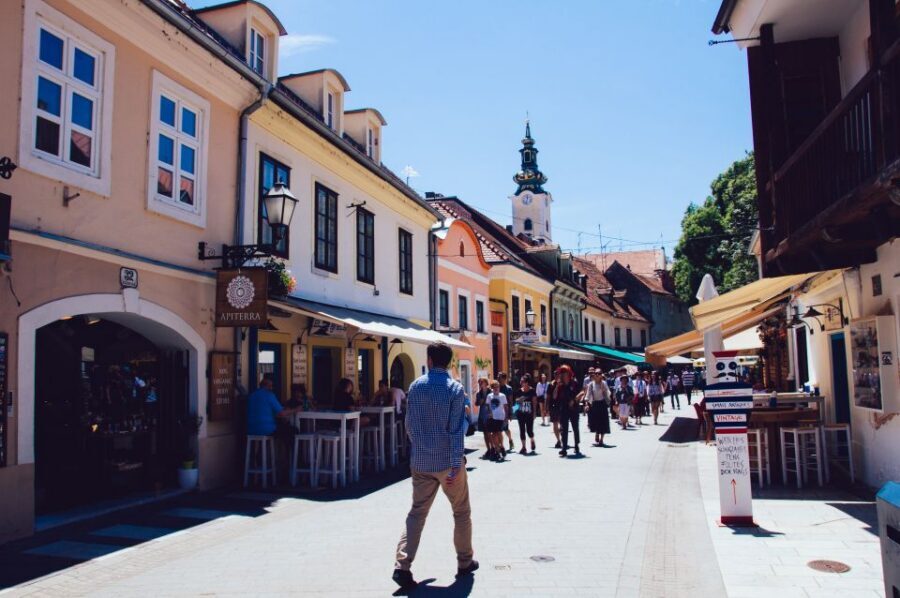
The tour begins by going through the Grič tunnel, which sets a fast, memorable tone—Zagreb isn’t only about churches and squares. Right after, you head to the shortest funicular in the world. Even if you don’t care about “record” facts, this is one of those local-physics details that helps you understand how the city is put together.
Why it works: funiculars and tunnels are not random attractions here. They’re practical infrastructure shaped by the city’s terrain. You’ll see the Upper Town feel connected to the Lower Town, instead of like two separate worlds you have to fight to reach.
The tour format keeps things moving. Expect a short introduction, then the guided walk begins again. This is also a good early moment to ask the guide how much walking you’ll do and where the best viewpoints will be later. Guides like Iva are known for making photo-taking easier—one recent booking notes she helped with amazing pictures—so if you care about angles, ask early.
Main Square first: what Zagreb was, and why it still matters
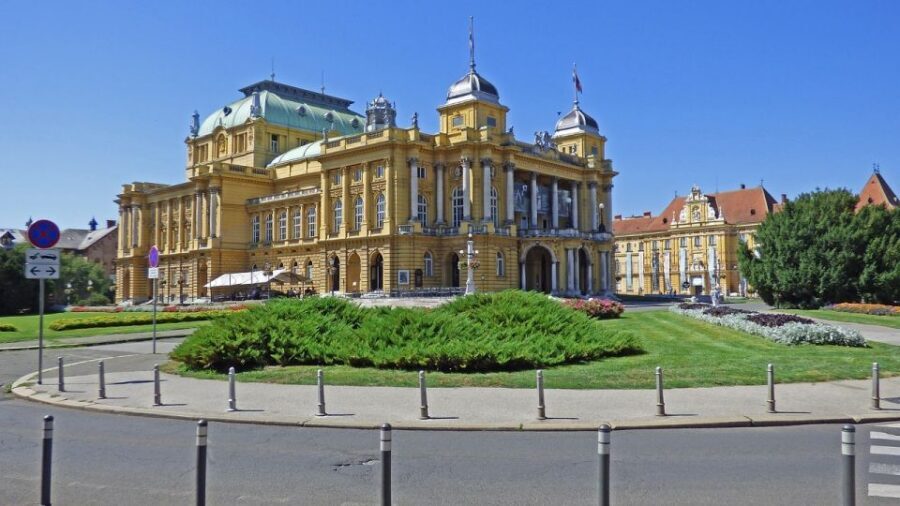
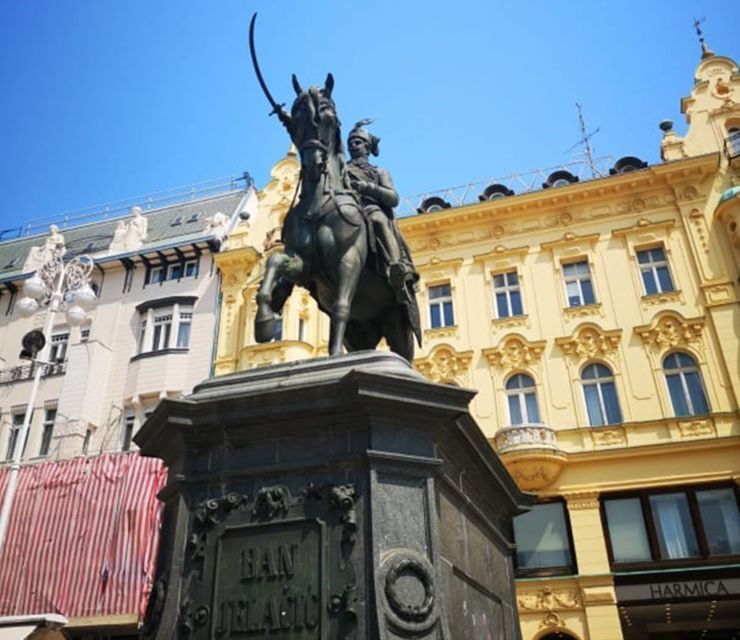
After the tunnel and funicular start, there’s a brief stop at the main square. The guide explains the history of Zagreb, but the best part is how the facts are tied to the places you’re already seeing. A square sounds simple until you learn what roles it played—civic life, power, trade, and everyday routines.
This is your “context window.” It helps you connect later stops like the cathedral, markets, and old-town gates into one story rather than a set of unrelated photo stops. If you’re visiting for the first time, this is exactly when you want that big-picture framing.
Also, if you’re the type who likes to understand what you’re looking at before you take the photo, this is a smart moment to slow down. You’ll get a guide’s explanation and then the freedom to look again with new eyes.
Zagreb Cathedral: sacred landmark with practical dress rules
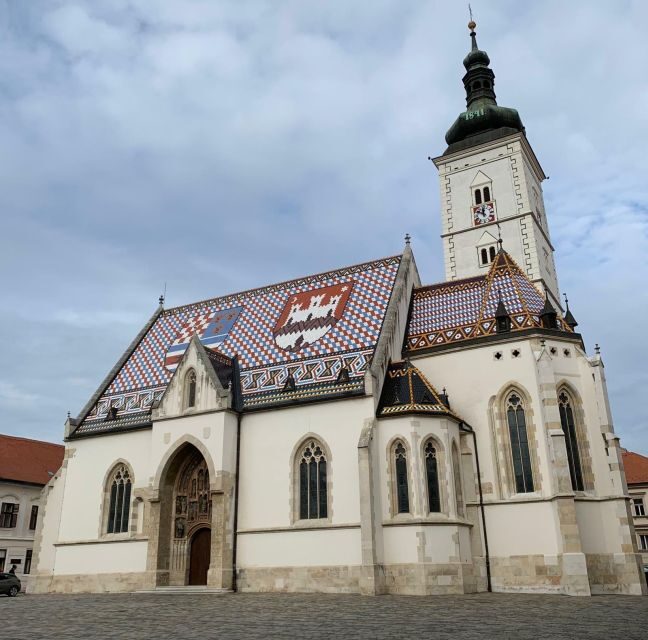
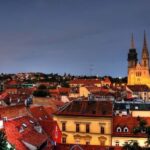
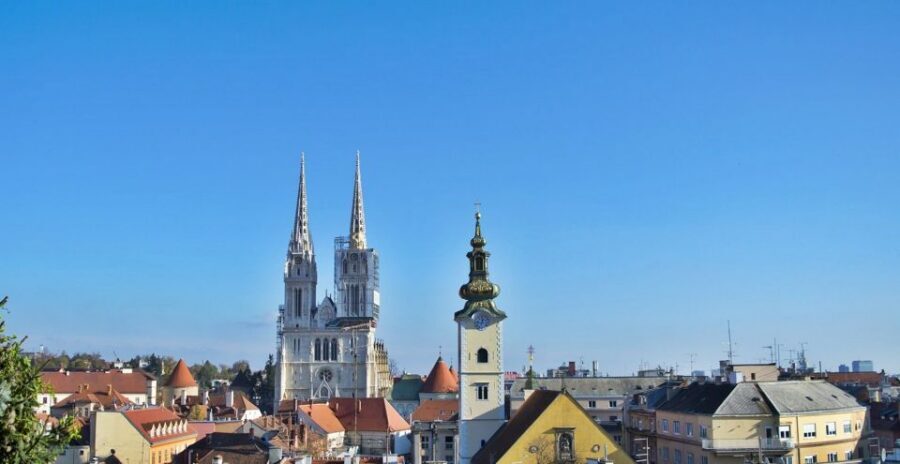
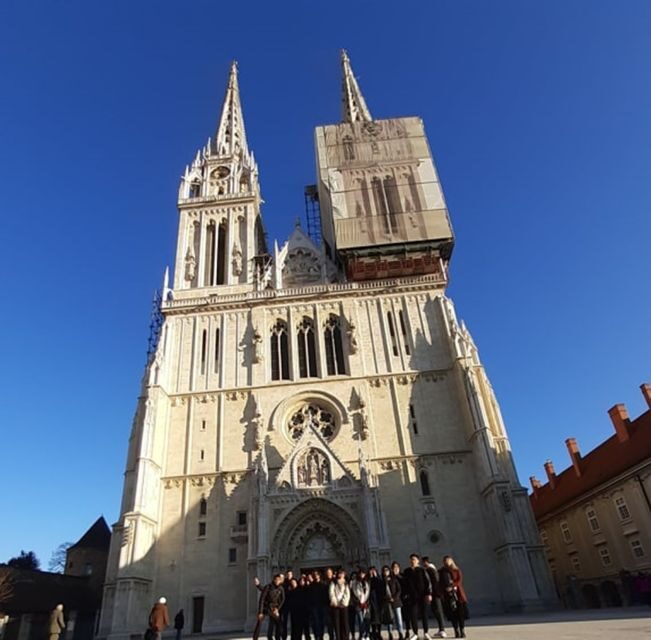
Next up is Zagreb Cathedral, described as the biggest Croatian sacred building and one of the most valuable monuments of Croatian cultural heritage. It’s a major stop for a reason. It’s not only visually dominant; it anchors the city’s spiritual and historical identity.
One thing to plan for: the tour notes that you need to cover sleeves and knees before entering sacred places. That’s not about being fussy—it’s about respecting rules that can be enforced at entry. If you show up in tank tops and short shorts, you may have a tough time joining the experience smoothly.
What you can do with the stop: look at the building as a symbol, then listen for the parts of the story that the guide emphasizes. The cathedral isn’t presented as a cold monument. It’s tied to Zagreb’s evolution, and the guide connects it to what you’ll see in the Upper Town and around the historic walls.
If you prefer tours that explain both art and daily life, this stop fits well. If you’re mostly “I want the view and I’m out,” you might want to keep moving—but the cathedral is one place where the explanation pays off.
Upper Town market site and Kumica: everyday tradition meets old walls
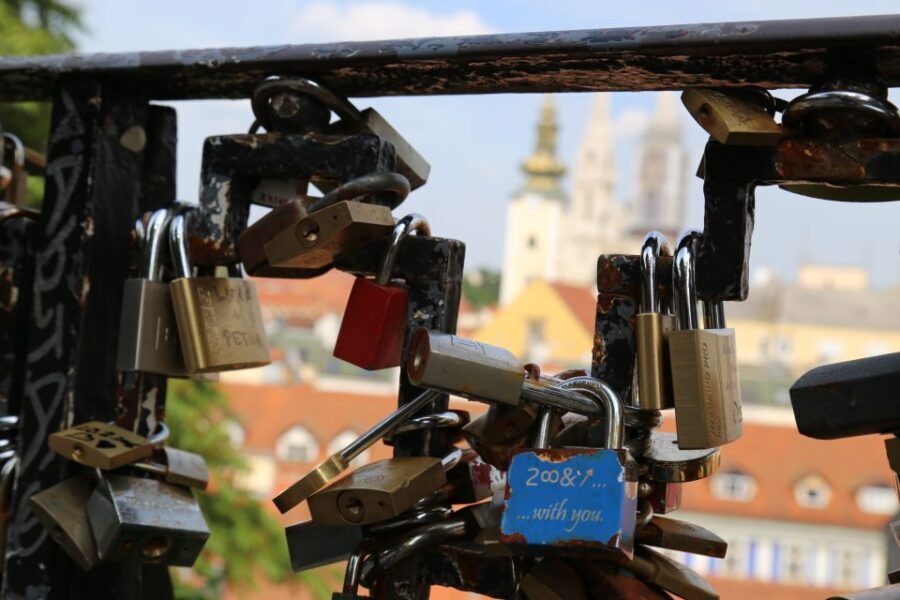
Then you head to the oldest open market site, located on the ground where old walls were demolished in the Upper Town. That detail is more interesting than it sounds. It’s a reminder that cities change shape, and today’s routines often sit on top of older functions—defense, boundaries, movement, and later commerce.
You’ll discover who Kumica is. That’s a tradition name tied to local life, not a generic “culture fact.” The tour frames it as one of Zagreb’s oldest traditions among locals, which helps you understand why markets feel personal rather than touristy.
There’s also local product tasting included here. The specifics of what you’ll taste aren’t listed, but the intent is clear: you’ll sample local products rather than just walk past stalls. This is a nice break inside the historic flow of the tour, and it adds a sensory layer that makes the market stop memorable.
Timing-wise, this is one of the most active segments, and it’s also where you’ll likely do the most looking at hands, faces, and everyday goods. If you like food and you’re curious about how local traditions show up in daily routines, this is the part you’ll be glad you didn’t skip.





Stone Gate and the story beneath the walls
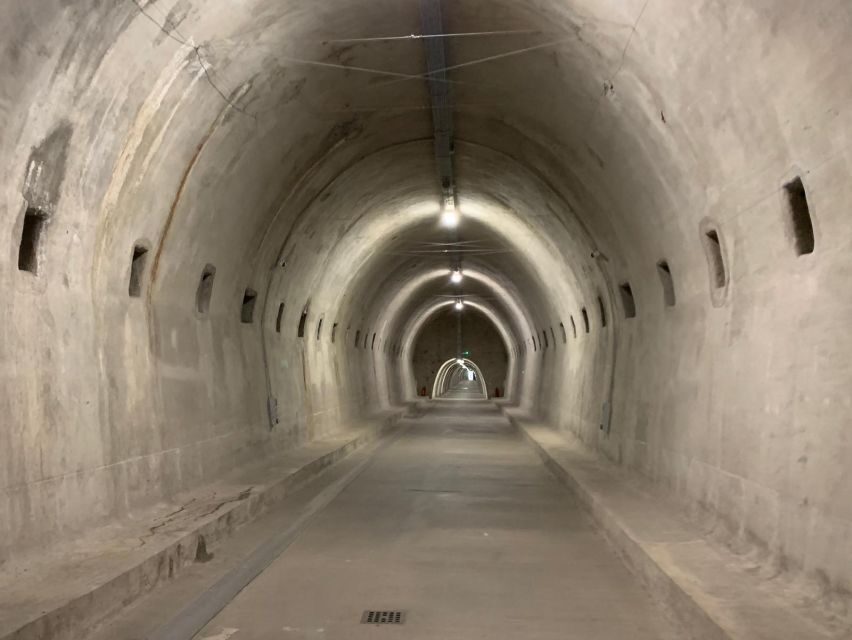
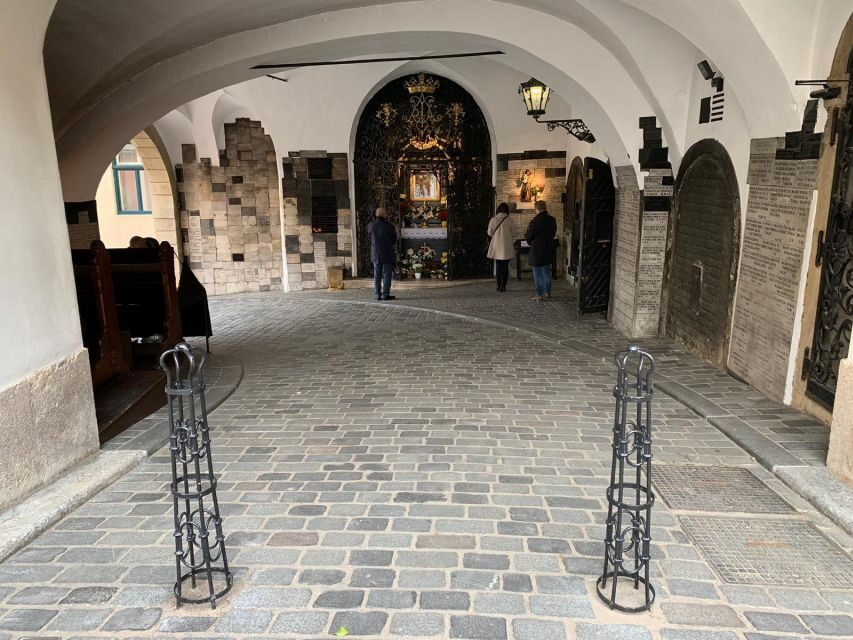
Next is the Stone Gate, called one of the best preserved monuments of old Zagreb and a general symbol of the city. Gates like this don’t just mark an entrance; they shape a whole mindset. They define what’s inside and what’s outside, and that’s why they’re often loaded with history.
Here, the guide also shares one of the most interesting and unusual stories said to lie beneath these old walls. The point is not the gothic setup. It’s that Zagreb’s physical layers—street level, wall level, and underground or behind-the-scenes history—can tell you how the city worked long before today’s maps.
What I’d do as you listen: don’t treat it like a quick photo moment. Pause and look at the gate as a piece of architecture, then let the story connect it to the larger Upper Town picture. You’ll likely notice details you’d otherwise miss, like how the gate’s placement guides movement through the old core.
If you’re a “symbol person” (you like meaning over trivia), Stone Gate is one of the strongest stops. If you’re more into big viewpoints and less into architecture, it’s still worth staying for the under-the-walls narrative—it’s what keeps this stop from feeling repetitive.
St. Mark’s Square and church: rulers, rebellions, and real context
After the gates and walls, you reach St. Mark’s Square and church. The guide discusses influential kings, peasant rebellions, and other unique facts from the past—basically turning the square into a stage for how power and ordinary people collided.
This is one of those stops where your takeaway depends on what you care about. If you want how politics and social life shaped the city, you’ll get plenty. If you’re more interested in art and photos, you can still enjoy it as a classic square stop—just be sure to listen to the historical framing so it isn’t only scenery.
From a practical standpoint, St. Mark’s Square is also a good reset. By now, you’ve already walked through a tunnel, up to the Upper Town, and past major religious and market landmarks. A square helps you breathe, look around, and absorb what you’ve learned.
Lotrščak Tower and the daily canon: best viewpoint energy
The tour finishes with Lotrščak Tower. You’ll learn why the canon shoots every day—and that daily ritual is one of those bits of local identity that makes Zagreb feel alive instead of frozen in old photos.
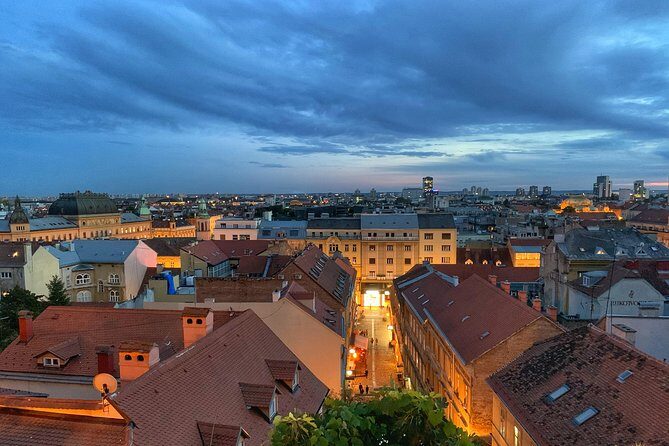
Then comes the part that makes your camera glad: you’ll use the opportunity to take pictures at the best viewpoint in the city. The guide is doing more than pointing “up there.” You’re getting the kind of perspective lesson that helps you frame Zagreb so it looks like Zagreb, not just a city view.
If you care about photos, use this moment well:
- Ask where the best angles are for your camera height.
- Move a step or two before you snap, especially if there are multiple sightlines.
- Take one wide shot for context, then one tighter shot that highlights the rooftops and the tower’s position.
This is also a good time to ask any last questions. Since the guide has been walking with you through the city’s main story beats, the last segment is when recommendations tend to get most useful.
Price and logistics: is $84 per group up to 2 good value?
At $84 per group up to 2, this tour can be very good value—especially if you’re traveling as a pair. Instead of paying a per-person rate that stacks quickly, you can keep the total cost reasonable while still getting a professional licensed local guide, a focused walking plan, and a built-in tasting.
You also get a small-group environment (limited to 10 participants). That matters more here than it does on some big bus tours. When you’re dealing with city landmarks like Cathedral areas and old-town gates, a smaller group makes it easier to hear explanations and to move at a pace that matches your comfort.
What’s not included is straightforward: food and drinks. The local product tasting is included, but if you want extra snacks or drinks during the walk, you’ll pay for those yourself. If you have dietary needs, you’ll want to ask your guide about what’s typically offered at the tasting, since only the tasting inclusion is specified.
Finally, there’s a “skip the ticket line” note. The exact attraction tied to that isn’t specified, but the practical meaning is that you should spend less time queuing and more time actually seeing and doing.
Comfort and dress: the two things that can make or break the experience
Bring comfortable shoes. This is a walking tour, and Zagreb’s old center has uneven ground and slopes. If your feet get cranky, your brain stops enjoying the stories.
For the sacred places, plan ahead: cover sleeves and knees before entering. Even if the weather is warm, bring something light you can put on quickly. It’s the fastest way to avoid entry friction.
On mobility: it’s not recommended for people with limited mobility and is listed as not suitable for people with mobility impairments. If that’s you, it’s worth choosing a different format in Zagreb—one with less walking and fewer steps.
How to get the most from a 3-hour walk
A good walking tour doesn’t just show places. It gives you a mental map. This one is built to do that by pairing big landmarks with small, specific stories: Kumica at the market, something unusual beneath Stone Gate, political drama at St. Mark’s Square, and the daily canon at Lotrščak Tower.
To make the most of it, come with two questions ready:
1) What’s the best neighborhood or street to explore next on my own?
2) What should I eat or buy that feels most local here?
Since the guide is live and you can ask questions, use that time while you’re still near the spots you’re curious about. A recent booking highlights that Iva provided great local recommendations, and another notes she even helped with picture-taking. You’ll get more from the tour if you treat it like a conversation, not a broadcast.
Also, plan your day so you’re not rushing afterward. The tour is 3 hours, but your brain will keep processing the city for longer than that. If you have a meal scheduled soon after, you’ll likely enjoy it more because you’ll recognize the city’s rhythm.
Should you book this Best of Zagreb Walking Tour?
Book it if you want a focused first look at Zagreb with a real guide, not just wandering. It’s ideal for first-timers who like history tied to the street—Cathedral, markets, gates, and squares—plus photo moments at Lotrščak Tower.
Skip it or switch plans if you can’t handle hills and longer walks, since it’s not recommended for mobility impairments. And if you hate dress-code friction, remember you’ll need covered sleeves and knees for sacred places.
If you’re traveling with a partner, the $84 per group up to 2 structure makes this easier to justify, especially since a licensed guide and a tasting are included. For a tight schedule, this is a strong way to get Zagreb’s key scenes and the stories that make them click.
FAQ
How long is the Best of Zagreb Walking Tour?
The tour lasts 3 hours.
How much does the tour cost?
It costs $84 per group up to 2.
Where is the meeting point?
You meet at Ilica 50.
Is the tour guide available in English?
Yes, the tour is in English.
How many people are in the group?
The group is small, limited to 10 participants.
What is included in the tour?
Included features are a professional licensed local guide, visits to the highlights of Zagreb, and a local product tasting.
Are food and drinks included?
Food and drinks are not included.
What should I bring?
Bring comfortable shoes.
What clothing is required for sacred places?
You’ll need to cover sleeves and knees before entering sacred places.
Is it suitable for people with mobility impairments?
No. The tour is not recommended for people with limited mobility and is not suitable for mobility impairments.