REVIEW · ZAGREB
Classic Zagreb Bike Tour
Book on Viator →Operated by Bike Tours Zagreb · Bookable on Viator
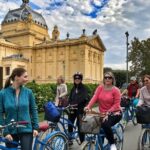
Pedal through Zagreb’s old crossroads fast. This classic bike tour threads the city’s big landmarks with short stops, easygoing pace, and guide commentary that turns street corners into quick lessons. I especially like the small-group setup (max 12) and the scheduled break for coffee, a cold drink, or ice-cream so the ride never feels like nonstop effort. One thing to consider: you’ll mix with pedestrians and trams on tight downtown streets, and a few riders note bike/helmet condition can be inconsistent—so do a quick check before you roll.
If you want your first hours in Zagreb to feel organized, this is a good fit. You cover a lot of ground without the constant stop-and-start of walking, and you still get meaningful context at places like the Cathedral of Zagreb, Dolac Market, and St. Mark’s Church. The one extra item to remember is the funicular to the Upper Town—it’s part of the route, but the ticket is not included.
In This Review
- Key things I’d plan around
- Why bikes make sense in Zagreb
- Price and what you’re really paying for ($54.44)
- Starting point: Jurišićeva ul. 19 and the downtown flow
- Cathedral of Zagreb: where the city story begins (and how to spot it)
- Dolac Market: Zagreb’s food heartbeat in 10 minutes
- Tkalčićeva Street: from past conflict to nightlife street
- Krvavi Most (Bloody Bridge): the Gradec–Kaptol border
- Petrini Pyli / Stone Gate: Our Lady of the Stone Gate
- St. Mark’s Church: a symbol you’ll keep seeing
- Funicular Railway to the Upper Town: worth it, but plan for extra ticket cost
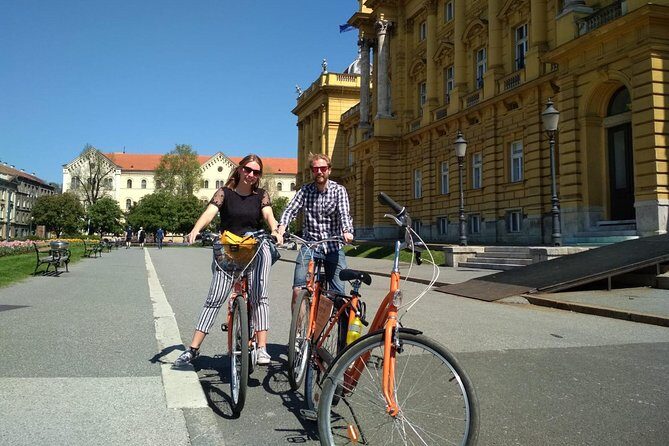
- Croatian National Theater: language, identity, and a very specific origin
- King Tomislav Square and Zrinjevac: civic Zagreb between climbs
- The guide: stories that turn sightseeing into recall
- How hard is the ride, really?
- Equipment and safety: check your helmet and brakes before you roll
- A smart way to plan your Zagreb day
- Should you book this Classic Zagreb Bike Tour?
- FAQ
- How long is the Classic Zagreb Bike Tour?
- What’s included in the price?
- Is the funicular included?
- Where does the tour start and end?
- What language is the tour offered in?
- How big is the group?
- Is there free cancellation?
Key things I’d plan around
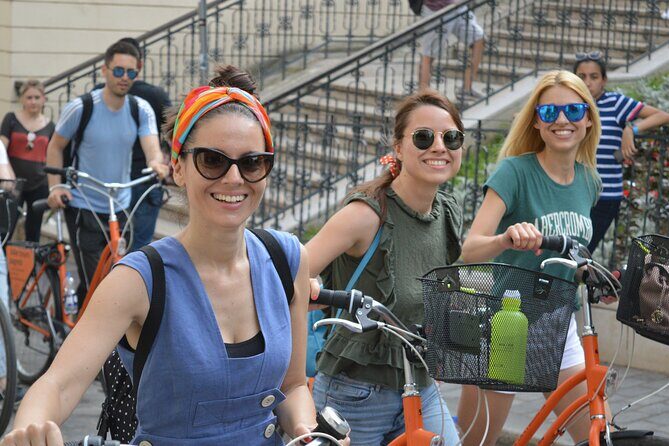
- Max 12 riders, guided navigation: smaller feel, quicker help when you need it.
- A mid-tour food break: coffee, cold drink, or ice-cream is included.
- Icon stops are mostly free to enter: cathedral, markets, churches, and squares are listed as free.
- Funicular ticket costs extra: the ride to the Upper Town is included by route, not by price.
- Expect shared city space: cobblestones, sidewalks, and busy pedestrian areas come with the fun.
- Guide-led storytelling varies by personality (and can be great): names like Iva, Eva, Filip, Sandro, and Zeljka show up often in recent feedback.
Why bikes make sense in Zagreb
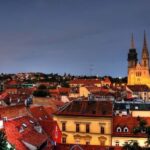
Zagreb is a city of layers—Lower Town (near the squares and markets) and Upper Town (where views and older streets climb). A bike tour is a smart way to connect those layers quickly without exhausting your feet in your first day.
The best part here is the rhythm. You’re moving, but you’re not rushing past things. The tour is built around short stops at landmarks, so you actually get time to look up at façades, notice details, and understand why that corner matters before you pedal on.
Other bike tours we have reviewed in Zagreb

Price and what you’re really paying for ($54.44)
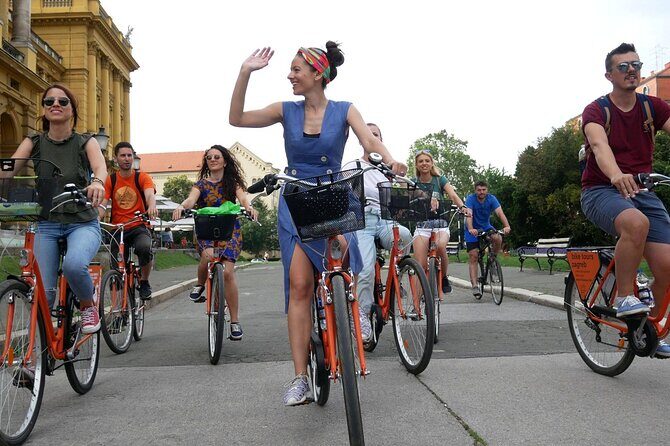
This costs $54.44 per person for about 3 hours, and the value comes from what’s bundled—not just the sightseeing.
What you get included:
- bicycle use
- helmet
- local guide
- coffee, refreshing drink, or ice-cream during the break
- a photo from the tour
What you should expect not included:
- the funicular railway ticket (Upper Town transport)
- alcoholic drinks
For a short tour, this is a practical deal if you like guided context and want to save time. You’re not paying to sit in a bus; you’re paying to move efficiently and learn as you go. That said, because one rider flagged bike/helmet condition and road-safety focus as issues, I’d treat the “included equipment” as something to verify on the spot.
Starting point: Jurišićeva ul. 19 and the downtown flow
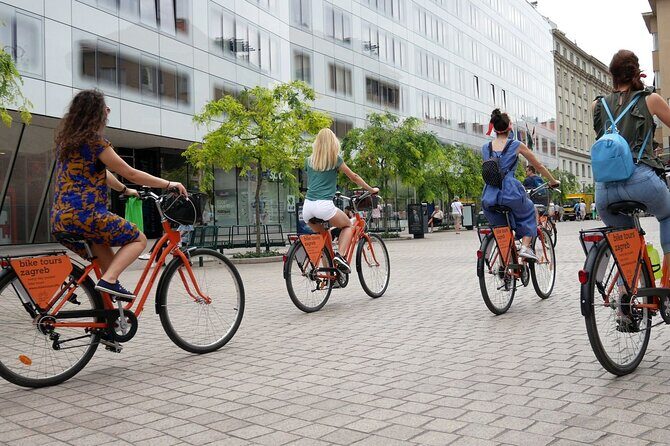
The tour starts at Jurišićeva ul. 19 (10000 Zagreb) and loops back there at the end. That matters because it keeps things simple: you can plan to meet, ride, and return without guessing where you’ll end up.
Early on, you’ll get your bike and helmet and follow your guide’s lead. Since the route mixes sidewalks and pedestrian-heavy areas, your first few minutes set the tone. If you’re nervous about riding in crowds, focus on small actions: keep both hands on the bars, watch for sudden stops, and don’t drift out of line when the group maneuvers.
Cathedral of Zagreb: where the city story begins (and how to spot it)
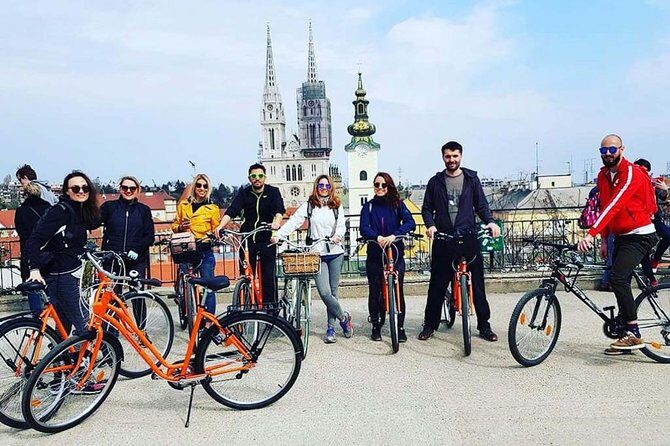
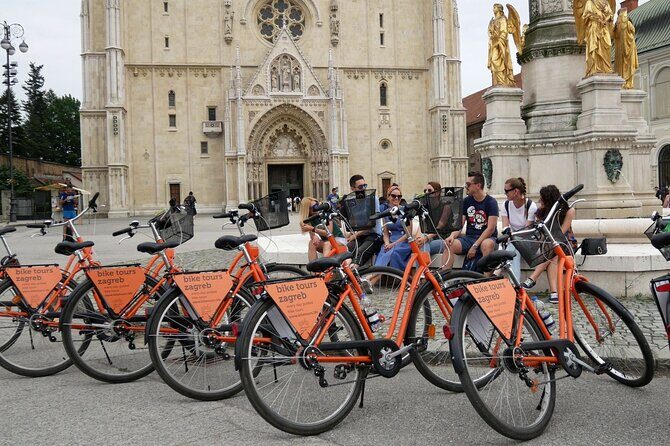
The ride kicks off at the Cathedral of Zagreb area. The key detail you’ll hear is that Zagreb’s history is often traced back to 1093, when the Hungarian king Ladislav founded the Diocese of Zagreb in today’s Kaptol area and raised the church to cathedral status.
Practical tip: even if you only get a short look, stand where you can take in the whole structure. Cathedrals like this aren’t just “old buildings”—they’re anchors. They’re how you orient yourself in Zagreb’s story of Lower Town vs. Upper Town.
Entry here is listed as free, so you’re not paying to get the first big historical payoff.
Dolac Market: Zagreb’s food heartbeat in 10 minutes
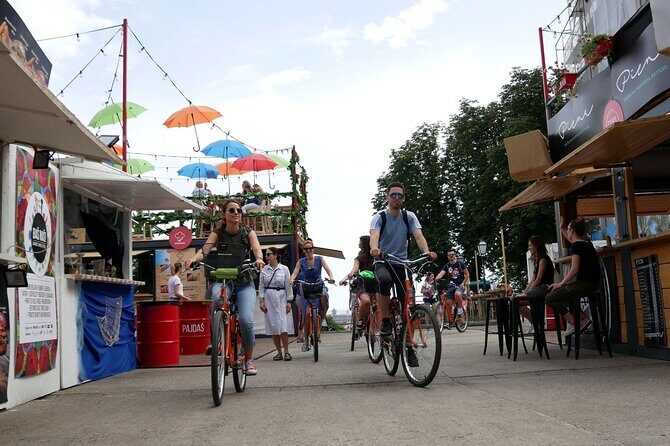
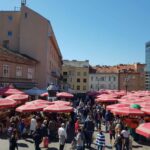
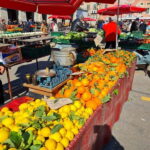
Next is Dolac Market, often described as the belly of the city and listed as the largest farmers’ market in Zagreb. This stop is short, but it’s an important contrast: after the cathedral history, you get everyday Zagreb.
Practical tip: even with limited time, scan what’s happening around the stalls. Markets tell you what locals actually buy and cook, and that helps when you later ask your guide for food recommendations.
Entry is listed as free, which makes Dolac an easy win on a tight 3-hour schedule.
Other cycling tours in Zagreb
Tkalčićeva Street: from past conflict to nightlife street
You’ll ride and stop at Tkalčićeva Street, tied to a fascinating backstory. From the late 1800s into the 1930s, it’s described as the Zagreb equivalent of Amsterdam’s Red Light District. Today, it’s mainly a downtown tourist and nightlife street.
This is one of those stops where your guide’s commentary makes the difference. You’re not just looking at a street—you’re seeing how a city repurposes spaces over time.
Entry is listed as free, so use this stop for observation: look at street layout, building edges, and where people gather before you move on.
Krvavi Most (Bloody Bridge): the Gradec–Kaptol border
Then comes Krvavi Most, also called Bloody Bridge. The name points to its role as a border between Gradec and Kaptol, across the Medveščak stream, with frequent clashes historically between residents of the two areas.
Practical tip: take one quiet minute here. Bridges look simple until you realize they’re chokepoints—perfect locations for conflict and control because everyone passes through.
Entry is listed as free.
Petrini Pyli / Stone Gate: Our Lady of the Stone Gate
Next is Petrini Pyli, where the stop highlights the Stone Gate and the shrine to Our Lady of the Stone Gate, the city’s patron saint for many centuries.
If you like “small religious details that explain a place,” this one lands well. You’ll get the idea that Zagreb’s identity isn’t only civic—it’s also tied to faith traditions embedded right into daily street life.
Entry is listed as free.
St. Mark’s Church: a symbol you’ll keep seeing
You’ll stop at St. Mark’s Church, one of the oldest buildings in Zagreb and a city symbol. It’s mentioned in the 1334 Kaptol Statute, which is a helpful anchor date if you’re trying to place the Upper Town’s age.
Practical tip: don’t rush the photos. Look at how the church sits among surrounding buildings and how it pulls the eye upward. This is the kind of landmark that makes you feel like the Upper Town is “real,” not just a postcard.
Entry is listed as free.
Funicular Railway to the Upper Town: worth it, but plan for extra ticket cost
One of the most practical parts of the itinerary is the funicular railway ride to the Upper Town. The funicular is described as the oldest public transport for passengers in Zagreb, created in 1892.
Important: the funicular ticket is not included.
Why this matters for you: walking up here early in your trip can be a rude shock. The funicular keeps the tour moving and saves energy for the viewpoints and streets you want to see once you arrive.
Croatian National Theater: language, identity, and a very specific origin
At Teatre Nacional Croata (Croatian National Theater), you’ll hear how it was founded in 1860 and tied to the Illyrians’ long-running goal of a theater in the Croatian language. The story includes Dimitri Demeter, named as an important figure behind the aspiration for that cultural achievement.
Practical tip: stand for a moment and look outward, not just at the building. Cultural landmarks often sit where city life already funnels. If you’re the type who likes to learn what buildings meant for people at the time, this stop is a good one.
Entry is listed as free.
King Tomislav Square and Zrinjevac: civic Zagreb between climbs
You’ll also hit:
- King Tomislav Square: linked to the first Croatian king, with dates 925–928 listed.
- Zrinjevac: a planned urban space, with an adopted plan from 1876 aimed at merging Lower Town squares into a single framework.
These stops help connect the story. After churches, borders, and old gates, you get the “how the city organized itself” angle. It’s easy to skip this on foot, but on a bike route, it balances the itinerary.
Both stops are listed as free.
The guide: stories that turn sightseeing into recall
The single biggest driver of a great experience here is the guide’s delivery. The names that pop up often include Iva, Eva, Filip, Sandro, and Zeljka—and their feedback patterns share a theme: history stitched into the places you’re seeing, plus practical city hints.
Many riders also mention:
- engaging commentary instead of dry dates
- lots of time for questions
- recommendations for what to eat or where to go next
- a relaxed but attentive pace
If you’re traveling with kids, one review notes the guide kept youngsters interested with interactive questions. If you’re traveling solo, that same interactive approach can make the group feel less like a lecture and more like a moving conversation.
How hard is the ride, really?
On paper, it’s about 3 hours. In real life, it feels like a “short city workout” more than a mountain bike day.
Here’s what to realistically expect:
- Most of the route is described as largely flat.
- You may hit cobblestone and tight maneuvering through crowds.
- You could encounter one steeper hill, with an option to hop off and walk the bike for a minute.
- Speed isn’t the point. The group pace matters because you’re sharing space with pedestrians and trams.
So if you’re comfortable on a bike and can handle stop-and-go, you’ll probably be fine. If you’re not confident cycling around people, this tour might feel stressful instead of fun—especially at the start if equipment fit and condition aren’t great.
Equipment and safety: check your helmet and brakes before you roll
This is the part I’d take seriously. One rider described bikes and helmets that weren’t in great shape and noted poor road-safety focus at the start. Another rider said the bikes were comfortable and easy, while still others mentioned maneuvering through busy areas.
That doesn’t mean you should cancel. It means you should do your due diligence:
- Ask for a quick look at your helmet fit and comfort.
- Before moving, test your brakes at low speed.
- If your bike feels too big or too small, say so immediately.
- Ride like you’re driving in a crowded parking lot: slow changes, clear signals, and no sudden swerves.
A fun city ride stops being fun fast if you feel uncertain. Trust your instincts.
A smart way to plan your Zagreb day
This tour works best as an orientation outing. Do it early enough that the stories and recommendations help shape the rest of your trip.
Plan this way:
- After the ride, go back to 1–2 places you liked most (especially if you want longer looks or museum time).
- Use the break suggestions from your guide as a shortlist for meals.
- If you’re using the Upper Town later, you’ll already know where you are and why it’s there.
If you’re the kind of traveler who likes a lot of landmark photos, this tour will deliver. If you want deep museum time, you’ll still need an extra block later.
Should you book this Classic Zagreb Bike Tour?
I’d book it if:
- you want a fast overview of both Lower and Upper Zagreb
- you like guided history tied directly to streets and buildings
- you’re okay with cobblestones and cycling through busy pedestrian zones
- you value an included break for coffee, a cold drink, or ice-cream
I’d think twice if:
- you’re uneasy riding in crowds or on uneven pavement
- you’re short and worried about bike sizing (one rider mentioned no smaller bikes)
- you’re picky about road-safety routines and equipment condition—then you’ll want to check everything right away
If you go in with the right expectations—active, guided, short stops, and city sharing—this tour is a very efficient way to get Zagreb “online” in your mind.
FAQ
How long is the Classic Zagreb Bike Tour?
It’s about 3 hours.
What’s included in the price?
Bicycle and helmet use, a local guide, a coffee/refreshing drink or ice-cream break, and a photo from the tour.
Is the funicular included?
No. The funicular railway ticket is not included.
Where does the tour start and end?
It starts at Jurišićeva ul. 19, 10000 Zagreb and ends back at the meeting point.
What language is the tour offered in?
It’s offered in English.
How big is the group?
The maximum group size is 12 travelers.
Is there free cancellation?
Yes, you can cancel for a full refund up to 24 hours before the start time.