REVIEW · ZAGREB
Croatian War of Independence Tour
Book on Viator →Operated by Servus Tours · Bookable on Viator
Ninety minutes, and the 90s make sense. This private Croatian War of Independence walking-and-museum experience in Zagreb turns the big story into something you can follow, from Tito’s Yugoslavia after WWII to the collapse that followed his death and the road to independence in the 1990s. I especially like having museum entrance tickets included, plus a private guide who can answer your questions as you go.
The one thing to plan for is that this is a history-focused outing and food and drinks aren’t included. Also, it covers some heavy material, so if you want a lighter day, save this for when you’re in the right headspace.
In This Review
- Key highlights you’ll feel right away
- Why Zagreb’s 1990s story starts after WWII
- A private 90-minute format that actually gives you time
- The walking portion: history told where it happened
- Museum visits: turning big events into something you can picture
- Why the Tito-to-independence timeline is worth your attention
- Your guide experience: clear teaching and real dialogue
- Price and value: what you’re really paying for
- Who this tour suits best (and who might want a different day)
- Timing tips for Zagreb history days
- Should you book the Croatian War of Independence tour in Zagreb?
- FAQ
- How long is the Croatian War of Independence tour in Zagreb?
- Is this a private tour?
- Are museum entrance tickets included?
- Is pickup available?
- Will I receive a mobile ticket?
- What’s covered during the tour?
- Is food and drink included?
- Are children allowed?
- What’s the cancellation policy?
Key highlights you’ll feel right away
- Private for your group only: No mixing, no rushing, more time for questions.
- Museum time included: Entrance tickets are part of the price, so you’re not piecing it together.
- Tito’s Yugoslavia to independence: The guide links post-WWII context to the 1990s.
- Flexible pace: You can move at your own speed and pause when you want.
- Real teaching, not just talking: Guides have strong background and can explain complex history clearly.
Why Zagreb’s 1990s story starts after WWII
Zagreb is the kind of city where the past keeps showing up. Even when you’re just walking around town, your guide ties everyday locations to the larger political story that shaped Croatia’s path to independence. This tour doesn’t treat the 1990s like they came out of nowhere. It starts at the end of World War II and the formation of Tito’s Yugoslavia, then walks forward through the years that set the stage.
That matters because the Croatian War of Independence is often discussed as a single event. Here, you get the lead-up: Tito as a key figure in Yugoslav domestic policy and foreign affairs, and what happened after his death when Yugoslavia started collapsing. From there, the tour connects the emergence of independence movements in places like Slovenia and Croatia and the bloody consequences that still echo into the present day.
If you like history with cause-and-effect, this format works. If you only want battle details, you might find it more context-heavy than you expected. But for most people, that foundation makes the later events easier to understand.
Other Communism and Yugoslavia history tours in Zagreb



A private 90-minute format that actually gives you time
This experience is about 1 hour 30 minutes (approx.), which means it’s built for focus. You’re not signing up for an all-day marathon, and you’re not stuck listening through long stretches where questions get ignored. Because it’s private, you can set your own rhythm: if something feels confusing, you can stop and ask. If something clicks, you can keep moving.
One of the best values in tours like this is speed of clarity. A good guide can connect names, dates, and policies to the reason people acted the way they did. With a private setup, you also get a better shot at follow-up questions, like how a decision in one era influenced the next.
You’ll also get pickup offered, plus a mobile ticket. That’s small, but it matters when you’re in a new city and trying to reduce friction on a schedule. And since the meeting area is near public transportation, you can usually fit it into your day even if you’re not being picked up.
The walking portion: history told where it happened
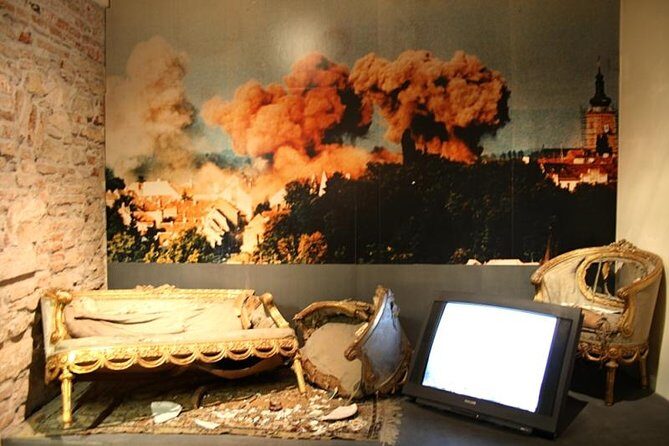
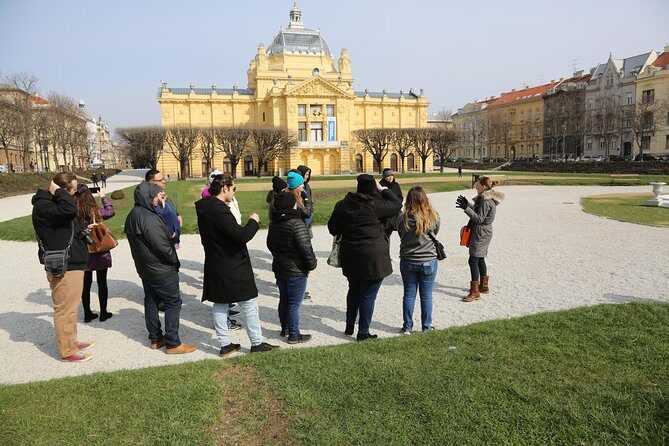
This is a walking tour, so you’re not just sitting. The guide uses the route to explain how the story of Yugoslavia and its breakup connects to Zagreb and Croatia more broadly. You’re looking at a city that lived through these decades in real time, which makes the explanations feel less abstract.
Expect the guide to keep returning to core turning points:
- The post-WWII establishment of Tito’s Yugoslavia
- Tito’s role in shaping policy and international relations
- The collapse that began after his death
- The independence proclamations by countries like Croatia (and the bloody consequences that followed)
Because you move at your own pace, this portion works even if you need occasional pauses. One traveler noted that the guide handled a walking limitation by keeping the pace manageable. If you have any mobility concerns, it’s worth telling the provider ahead of time so the route and timing can be adjusted within the plan.
Practical tip: wear shoes that can handle a walking tour. This is not a sit-down lecture, and you’ll get more out of it if you’re comfortable enough to focus.
Museum visits: turning big events into something you can picture
The museum portion is where history becomes less like a storyline and more like evidence. Museum entrance tickets are included, so you’re not trying to calculate separate admissions while you’re already learning. The museum time fits naturally after the guide lays out the political timeline, because then you can connect what you see to what you heard.
In a tour like this, the museum visit is also your chance to slow down. You can look longer at visuals and materials, then ask the guide what they mean. This is especially helpful with topics where different sides, dates, and terms can blur together.
What I like about this setup is that you get both:
- The narrative thread (how Yugoslavia moved from Tito’s leadership into collapse)
- The anchored details (how museums present those shifts)
That combination is what makes the tour stick. You don’t just leave with a list of names; you leave with mental pictures you can recall later when you read, watch, or talk about Croatia’s history.
Why the Tito-to-independence timeline is worth your attention
If you only learn the 1990s, you might end up with a simplified view. This tour helps you avoid that trap by starting earlier. Tito’s Yugoslavia is presented as a key part of the story, not just a background name. Then the tour moves forward to show how the collapse after Tito’s death set the stage for independence movements, including Croatia.
Here’s why that timeline matters for you as a visitor:
- You understand why the breakup wasn’t sudden in everyone’s mind.
- You see how domestic policy and foreign affairs shaped outcomes.
- You get context for why the consequences of independence struggles can still feel current.
That last point is important. The guide frames the war as something with long legs. Even after independence, the effects of violence, political change, and identity shifts continue. If you’ve been to other Balkan history sites before, you’ll recognize this theme: the past isn’t finished just because the fighting ended.
And if you haven’t, this tour gives you the map you’ll want when you explore more of Croatia later.




Your guide experience: clear teaching and real dialogue
The biggest strength of this tour is the guide’s ability to explain. It’s not just facts; it’s teaching. One guide named Bojan has been described as a history teacher, which fits the tone you want for a complex and emotional subject. Another guide named Dejan has led the experience as well, and groups have come away with clear, positive impressions.
More importantly, the interaction style matters. One highlight from an earlier group was an open discussion that connected historical context across many generations, then brought it back to today and even the future. That kind of structure is what turns a tour from information delivery into understanding.
If you enjoy asking questions, this is the right format. And if you don’t usually speak up on tours, the private setting still makes it easier to ask at least a couple of things without feeling rushed.
Price and value: what you’re really paying for
At $336.76 per person, this is priced as a private, guide-led history experience. That sounds steep until you break down what’s included.
You’re paying for:
- A private tour for your party only
- A local guide and professional guiding (so you’re not just getting a single voice)
- Museum entrance tickets included
- Pickup offered (when arranged)
- A total time block that fits into a tight Zagreb schedule (about 1.5 hours)
Food and drinks aren’t included, so you’ll want to plan around that. But admissions are covered, and the guide work is the main cost driver. For many visitors, that’s exactly what you want: you’re buying clarity and context, not just “seeing places.”
If you’re traveling as a pair or small group, private history tours often become better value because the per-person cost is doing double duty: you’re paying for admission plus guided interpretation, and you’re not sharing attention with strangers.
Who this tour suits best (and who might want a different day)
This tour is a strong fit if you:
- Want a coherent explanation of Croatia’s path from Yugoslavia to independence
- Like history with political context, not only dates and events
- Prefer a private setting where questions get answered directly
- Appreciate museum stops instead of purely walking-and-talking
It may be less ideal if you:
- Want a light, casual “see the city” outing
- Only care about military tactics and battles (this is more context-driven than action-heavy)
- Are looking for food included in the price
If you’re planning your Zagreb time, think of this as a “foundation” tour. After it, you’ll be better prepared to understand what you read on signs, what you hear from locals, and what you see in other cultural spaces.
Timing tips for Zagreb history days
Because the tour is about 1 hour 30 minutes, you can stack it with other activities without wrecking your day. Still, it’s smart to protect your energy. This is heavy history. You’ll get more out of it if you go in rested, with good shoes and a plan for hydration and snacks afterward since food and drinks aren’t included.
If you want the museum impact to land, don’t schedule another major museum right on top of this unless you’re used to that kind of day. Give yourself some breathing room so the story you heard has time to settle.
Should you book the Croatian War of Independence tour in Zagreb?
Book it if you want a private, guided route that gives the full timeline: Tito’s Yugoslavia after WWII, the collapse after his death, and the road to Croatian independence in the 1990s with consequences that still matter. The museum stop is a real plus because it turns the narrative into something you can see.
Skip it if you’re chasing a carefree itinerary or you’re hoping for a quick overview without much historical background. This tour is designed for understanding, not for speed.
If you do book, go in ready to ask questions. Bring comfortable walking shoes, and plan to eat after since food and drinks aren’t included. With the private format, that’s where you’ll get the most value for your time and money.
FAQ
How long is the Croatian War of Independence tour in Zagreb?
It lasts about 1 hour 30 minutes.
Is this a private tour?
Yes. It’s private, so only your group participates.
Are museum entrance tickets included?
Yes. Museum entrance tickets are included.
Is pickup available?
Pickup is offered.
Will I receive a mobile ticket?
Yes. A mobile ticket is included.
What’s covered during the tour?
You’ll learn the historical context for the Croatian War of Independence, including the end of World War II, Tito’s Yugoslavia, the collapse after Tito’s death, and the independence process in the early 1990s and its consequences.
Is food and drink included?
No. Food and drinks are not included.
Are children allowed?
Children must be accompanied by an adult.
What’s the cancellation policy?
You can cancel for a full refund up to 24 hours in advance of the experience start time.