REVIEW · ZAGREB
Zagreb : Must-See Attractions Walking Tour With A Guide
Book on GetYourGuide →Operated by Guydeez Tours · Bookable on GetYourGuide
One smart way to understand Zagreb fast is with a private guided walk. In about two hours, you’ll connect the city’s medieval layout to today’s daily life, from Kaptol and Gradec to the spots locals actually use. Two things I love: you get a guide who can tailor the route to your interests, and you’re shown practical details (like what’s worth your time and what might be closed) so you don’t waste hours guessing.
The main thing to consider is that it’s a walking tour that packs in multiple big stops, and food or drinks are not included. If you plan to snack, you’ll want to bring a little something or budget time at markets and streets along the way.
In This Review
- Key points to know before you go
- Why This Zagreb Walk Works in Just 2 Hours
- Starting at King Tomislav Statue: Your Orientation Point
- From Ban Josip Jelačić Square to Kaptol and Gradec
- Strossmayer Promenade: Photos Plus a Viewpoint Mindset
- Dolac Market: Zagreb’s Daily-Life Shortcut
- Lotrščak Tower and the Noon Cannon Moment
- Tkalciceva Street and Opatovina Park: Where Walking Turns Social
- Tunel Grič: World War II History Underground
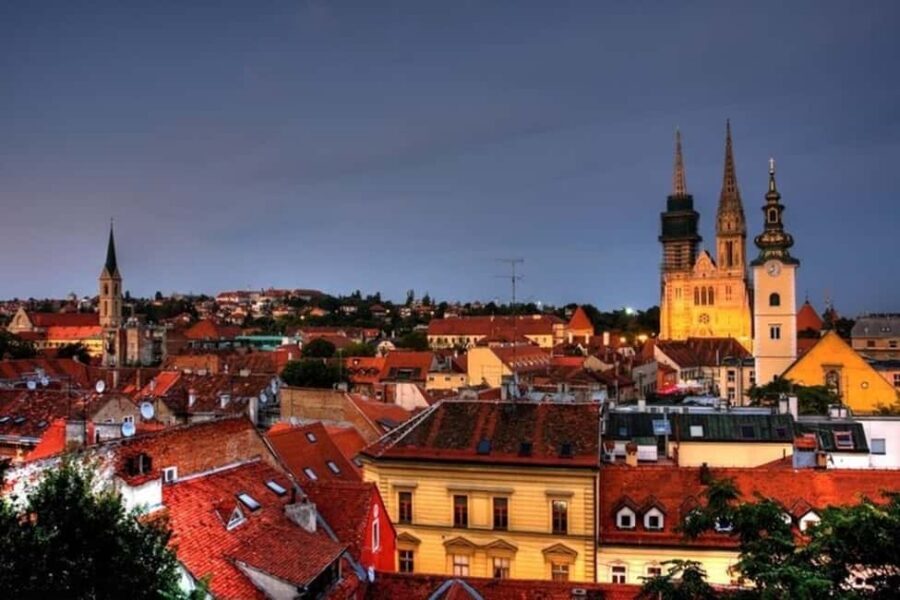
- St. Catherine’s Church and the Zagreb Cathedral: Two Styles, One Route
- Guides, Pace, and the Small Details That Make It Worth Paying For
- Price and Value: $29 for a Private Zagreb Guide
- Who This Tour Suits Best (and Who Might Prefer Something Else)
- Should You Book This Zagreb Tour?
- FAQ
- How long is the Zagreb walking tour?
- Where does the tour meet?
- Is this tour private?
- What key sights are included?
- Does the price include food or drinks?
- Is the tour wheelchair accessible?
Key points to know before you go
- Private and customizable so you can ask questions and shift the route to fit your pace
- Medieval Zagreb in layers, with Kaptol and Gradec connecting old streets to modern hangouts
- Lotrščak Tower timing moment: the daily noon cannon blast gives you a built-in reason to show up on time
- Dolac Market with real context, not just photos—your guide helps you read what you’re seeing
- World War II stop underground at Tunel Grič, the kind of Zagreb detail most one-hour tours skip
- English or Spanish guide with tips for what to do next, beyond the tour route
Why This Zagreb Walk Works in Just 2 Hours
This tour is built for people who want more than a list of landmarks. Zagreb can feel like separate “mini-worlds” stitched together, and a good guide helps you understand how those pieces connect—without turning the day into a marathon.
You start at a central point (King Tomislav Statue), then work your way through key neighborhoods and viewpoints. The route is short enough that you can still do something afterward, like an extra stop for coffee or a longer museum visit—yet it’s long enough that you’ll get a real sense of the city’s shape.
The private format matters. Even when you choose a “small group,” you’re not squeezed into a mass pace. And if you’re the type who asks a lot of questions, that’s where private tours shine. It also makes customization easier: if you care more about churches, street life, or history, you can steer the emphasis.
At $29 per person, the value is best when you treat the guide as a local “translator.” If you just want selfies and don’t engage, you may feel you could have done the route on your own. But if you want context, direction, and practical advice, it can be money well spent.
Other walking tours we've reviewed in Zagreb

Starting at King Tomislav Statue: Your Orientation Point
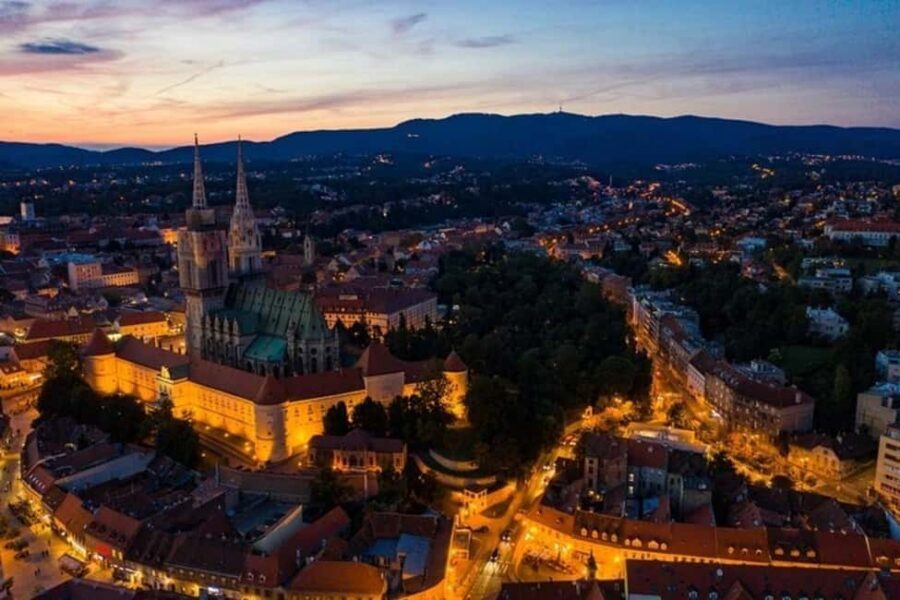
Meeting at King Tomislav Statue is a smart choice because it puts you right in the flow of major sights around the center. From here, you can mentally map where things are going—before you’re already halfway uphill or down in a market street.
This is also where you’ll get the first quick orientation: how to think about Zagreb’s split between older districts, and how the city “moves” as you walk from broad squares toward tighter lanes. Even if you’re only in Zagreb for a day or two, that mental map saves time later.
If you’re picky about route planning, this is when you should ask your guide what you most want to accomplish during your time in the city: viewpoints, food stops, churches, or history. A guide with room to adjust will get you closer to your priorities.
From Ban Josip Jelačić Square to Kaptol and Gradec
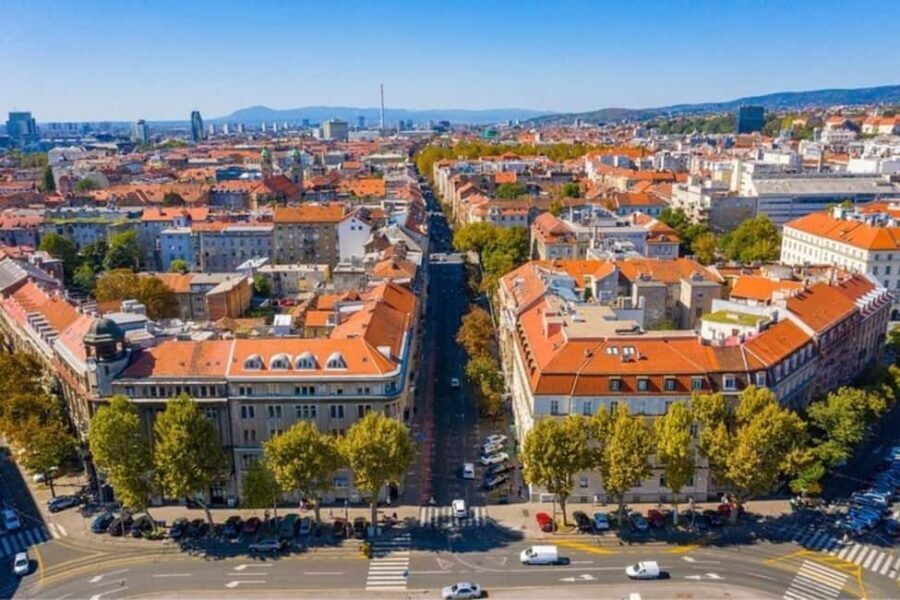
One of Zagreb’s best features is how its old geography still shows up in real life. This part of the walk connects the medieval districts of Kaptol and Gradec—the kind of detail that’s hard to “notice” without someone explaining what you’re looking at.
As you move from Ban Josip Jelačić Square into these areas, the city’s layout starts making sense: why some streets feel like you’re moving through church-and-cloister terrain, while other lanes feel more like everyday city life. Your guide’s job here isn’t just to point; it’s to help you see the reason behind the layout.
Practical note: you’ll likely encounter changes in street steepness and cobblestones. Wear shoes you’re comfortable walking in for the full two hours. It’s not extreme, but Zagreb’s center has a way of reminding you you’re outdoors.
Strossmayer Promenade: Photos Plus a Viewpoint Mindset
The route includes Strossmayer Promenade, with a photo stop and a guided look around. What I like about promenade-style stops is that they teach you how to look at a city: you get a wide angle first, then you return to smaller streets with better context.
Even if you’re not a big “view person,” this stop helps because it frames what you’ll hit next—markets, towers, and church areas. You’ll understand where the higher points sit relative to the center, which makes later uphill sections feel less random.
Also, a timed city moment is coming soon, so treat this stop as your warm-up. You’ll be in position to catch what’s next without feeling rushed.
Dolac Market: Zagreb’s Daily-Life Shortcut
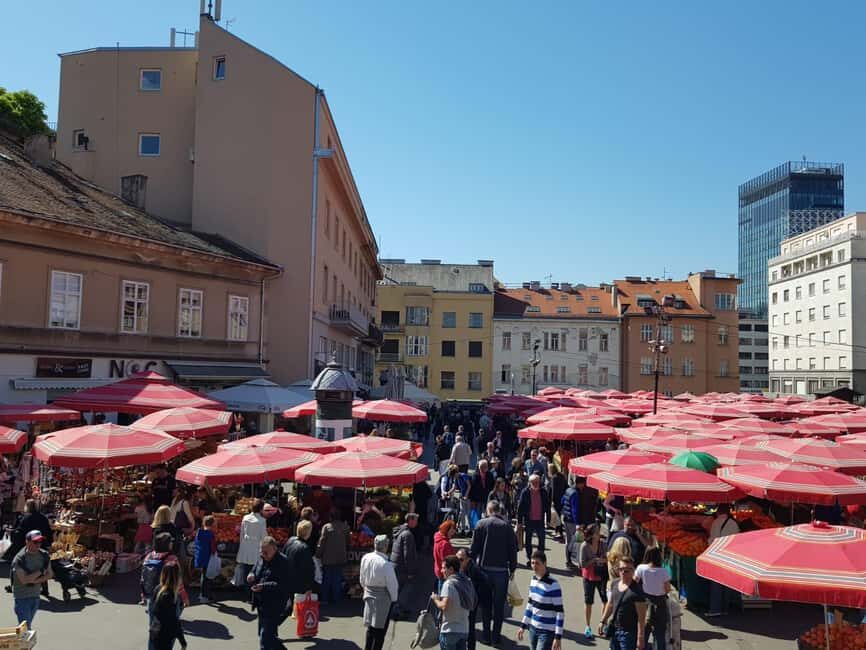
Dolac Market is one of those places that can either be “a photo stop” or a meaningful snapshot, depending on how you approach it. With a guide, it becomes the latter.
You’ll get time for a photo stop and guided tour here, with the guide explaining what’s happening and how to interpret the market atmosphere. The point isn’t just to watch people shop—it’s to understand how Zagreb’s center feeds its own rhythm.
If you want souvenirs that feel local rather than generic, this is the spot. And if you’re hungry, you’ll at least have good timing for a snack afterward since the tour itself doesn’t include food.
A small caution: markets are active, and you’ll be walking through a busy public space. Keep your valuables secure and expect a bit of foot traffic.
Other guided tours in Zagreb

Lotrščak Tower and the Noon Cannon Moment
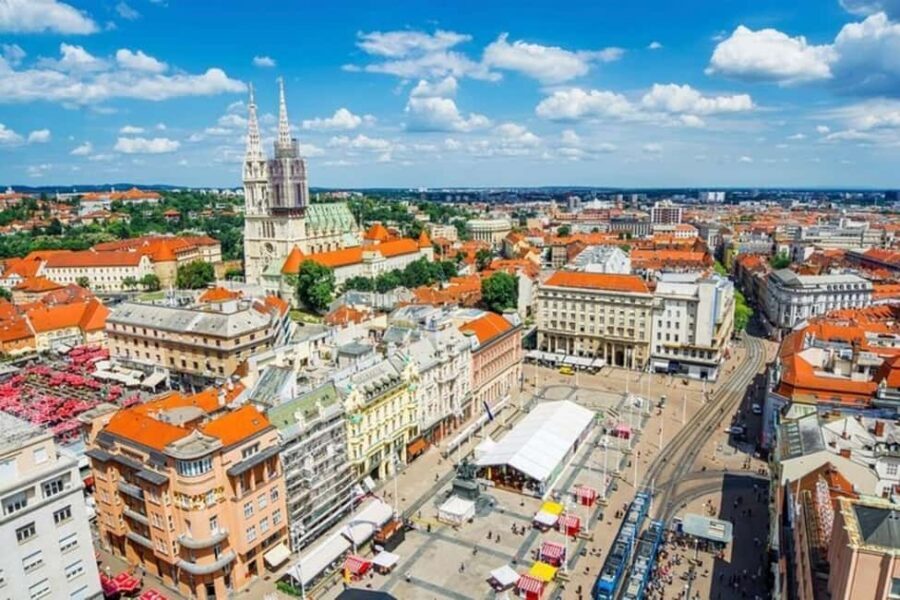
Lotrščak Tower is a highlight because it ties a view to a daily ritual. You’ll ascend via the funicular (yes, it’s famously described as the world’s shortest funicular), then reach the tower area where a daily cannon blast signals noon.
This is the kind of detail that makes a guided tour feel more like a local experience than a checklist. Even if you arrive a little before noon or a little after, your guide can help you understand the significance of the cannon moment and what you’re seeing from up high.
Two practical tips:
- If you can, align your pace so you’re near the tower around noon. It’s part of what makes this stop memorable.
- Bring your phone camera mindset, but also look around before you shoot. Views from towers are about orientation, not just angles.
Tkalciceva Street and Opatovina Park: Where Walking Turns Social
After you trace the ancient walls tied to Kaptol, the tour moves toward Opatovina Park and then to Tkalciceva Street, known for its bars and eateries.
This section helps you switch from “history mode” to “city-life mode.” It’s also one of the best parts of Zagreb to ask your guide for recommendations, because you’re in the middle of where locals spend time. If you’re deciding between a casual meal versus something more formal, your guide’s suggestions can cut through decision fatigue.
Opatovina Park adds context because it connects the idea of the old walls to an actual physical space you can walk. Without that link, parks can feel like filler. With it, you get a sense of the city’s defensive past and how it shaped later public areas.
Tunel Grič: World War II History Underground
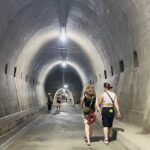
Then comes one of the most distinctive parts of the walk: Tunel Grič, a World War II relic. This is the stop that tends to make people sit up a little straighter, because it’s not just another building facade—it’s a space that tells a story through what it was built for.
What to expect here is atmosphere. Underground history tends to feel different from open-air sights, and that contrast is exactly why it’s included in a short tour. Even if you don’t know much about the period, your guide can help you connect the location to Zagreb’s wartime reality.
Practical consideration: tunnels can feel cool and enclosed, so bring a light layer if you tend to run cold. And keep your eyes up and around—this is a place where small details matter, even if you’re not a history buff.
St. Catherine’s Church and the Zagreb Cathedral: Two Styles, One Route
The tour finishes with major church stops that show how Zagreb’s architectural story runs across centuries.
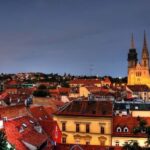
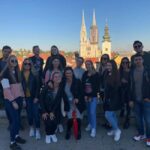
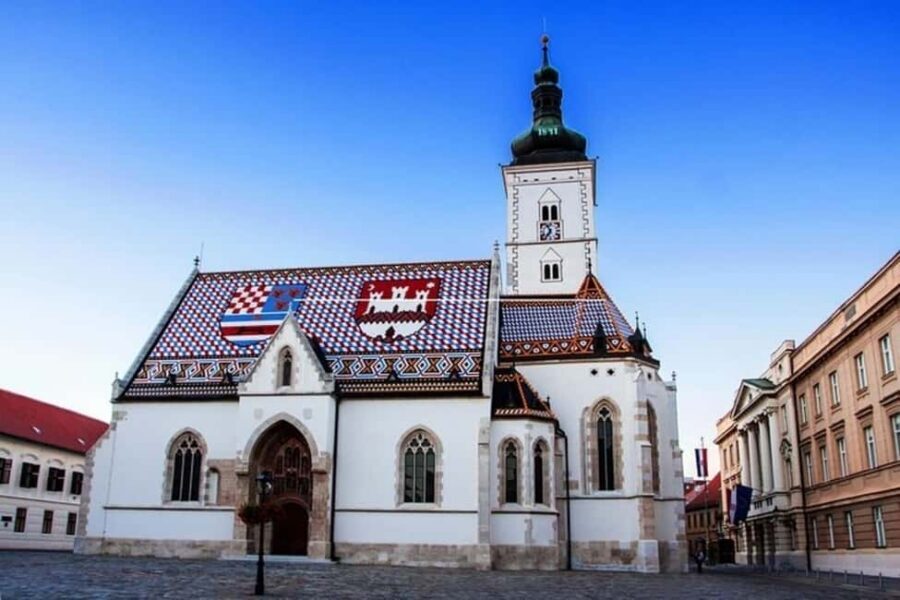
First is St. Catherine’s Church, described as Baroque in splendor. Then you move to the Cathedral of Zagreb, a major landmark that anchors the older parts of the city.
If you’re wondering whether two church visits in one tour feels like too much, here’s why it works: you’re not just seeing two religious buildings. You’re seeing two flavors of design and the way the city’s identity shows up in stone. Your guide’s job is to point out what’s different and why those differences matter.
Also, this is where your guide’s timing advice becomes useful. One of the strongest benefits mentioned for this tour is guidance on what monuments are open and what may be closed, so you can adjust without stress.
If you’re the type who loves architecture, this ending is satisfying. If you’re more into street life, you’ll still leave with the sense that the city’s “public face” is tightly tied to these landmarks.
Guides, Pace, and the Small Details That Make It Worth Paying For
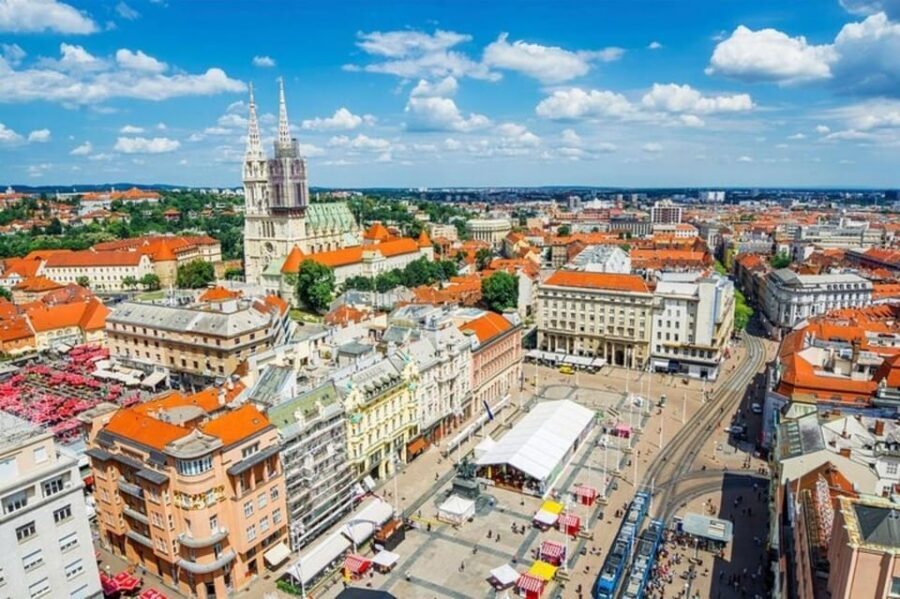
The guide experience is clearly the heart of this tour. People praise guides for being patient, friendly, and good at keeping a smooth pace. Names that come up include Mirna and Carla, both described as helpful and engaging, with Mirna noted for a great pace and for pointing out details that you’d likely miss on bigger group tours.
You should expect more than directions. A good guide will help you understand what matters in each area, and it’s very practical too: the tour includes lots of advice on other things to do in Zagreb after your two hours are up.
A quick word on the rare downside: a very small number of experiences can be disappointing if a guide isn’t comfortable answering basic questions about the landmarks you’re seeing. For that reason, don’t be shy. Early on, ask a question about a stop you care about and see how the guide responds. You’re paying for guidance—this is your chance to confirm quality.
Price and Value: $29 for a Private Zagreb Guide
At $29 per person for a two-hour, private, English-speaking guided walk, this is priced like a “do it once, do it well” experience. The private angle is key: you’re not splitting a guide’s attention across a big group, which usually means better pace control and more chances to ask questions.
Where value gets tricky is if you’re already fully DIY confident. If you know Zagreb well and you only need directions, a self-guided walk could be cheaper. But Zagreb has enough layers—medieval districts, markets, viewpoints, and a WWII tunnel—that a guide can turn a simple walk into something more meaningful.
Also, the tour includes help from the team to book tickets for the visits you want. You still may pay for some entry items depending on what you choose, but having help reduces the hassle of figuring it out on your own.
Overall, this is a strong choice when you want:
- a fast orientation to the city
- context for major sights
- a plan for what to do next without guessing
Who This Tour Suits Best (and Who Might Prefer Something Else)
This tour fits you if:
- You want Zagreb’s center explained in human language, not just posted signs
- You enjoy walking, photos with context, and quick stops that add meaning
- You value tips for food and what to do after the tour
It might be less ideal if you:
- want a long, slow day with lots of unstructured time
- don’t like mixing market streets, church areas, and history stops in one route
- are mainly seeking only one or two highlights and could handle them solo
One more plus: wheelchair accessibility is listed, and since the tour is designed as a walking route with support from a guide, it can be a workable option for many mobility needs. Still, ask ahead about the specific route adjustments if that’s important for you.
Should You Book This Zagreb Tour?
If your priority is to understand Zagreb fast—medieval districts, markets, towers, and a WWII tunnel—this is a smart book. The private format, the English/Spanish live guide, and the ability to customize your emphasis give you a lot of control for the time.
I’d book it especially if you’re the kind of traveler who likes to ask why a place matters. This tour is built for those questions, and the best parts (timing around noon, market context, underground history) land much better with a guide than on your own.
If you’re unsure, do one reality check: you can handle two hours of walking, and you’re okay with not having food/drinks included. If that’s you, you’ll likely feel you got solid value.
FAQ
How long is the Zagreb walking tour?
The tour duration is 2 hours.
Where does the tour meet?
The meeting point is King Tomislav Statue, which is described as a central location with access to major nearby sights.
Is this tour private?
Yes. It’s described as private and exclusive, meaning there won’t be anyone else in your group, and private group options are available.
What key sights are included?
You’ll pass major sights such as Strossmayer Promenade, Dolac Market, Lotrščak Tower, St. Catherine’s Church, and the Cathedral of Zagreb. The route also includes areas like Kaptol and Gradec, Tkalciceva Street, Opatovina Park, and Tunel Grič.
Does the price include food or drinks?
No. Drink or food is not included.
Is the tour wheelchair accessible?
Yes, the tour is listed as wheelchair accessible.