REVIEW · ZAGREB
Private Walking Tour in Zagreb with Local Guide
Book on Viator →Operated by Netragom obrt, vl. Samia Zitouhni · Bookable on Viator
The Upper Town tells stories fast. This private walking tour strings Zagreb’s big landmarks together with real context, including how the 2020 earthquakes changed what you see today.
I love the pacing here—short stops that feel like chapters, not a marathon—and I especially like that the guide explains the city’s identity, not just the buildings.
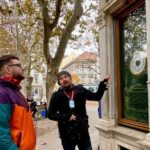
If you’re after good local guidance, you’ll likely get it from a guide like Samra or Samia, who focus on history, culture, and how the community shaped the city over time. You’ll also hear lots of practical cues for what to watch for as you walk.
One thing to consider: this is a moderate-fitness experience because you’ll deal with hills and steps, and the funicular choice depends on how you feel that day.
In This Review
- Key highlights to look for
- How Zagreb’s Upper Town stories connect after 2020 earthquakes
- Start at Ban Josip Jelačić Square and get your bearings fast
- Cathedral of Zagreb at Kaptol: the identity landmark stop
- Dolac Market: senses first, history second (but both matter)
- Tkalciceva Street: Zagreb social life on a single lane
- Petrini Pyli (Stone Gate): medieval spirits without the fantasy
- Gornji Grad Upper Town: where medieval hierarchy meets modern politics
- St. Mark’s Church and the Upper Town square community feel
- Funicular Railway: choose your energy (and your views)
- Tunel Gric: fairytale or nightmare, then the real story
- Square of Petar Preradovic: social stage and coffee culture
- Route flow and timing: why the 1.5 to 2 hours works
- Private guide value: what 28.92 gets you in real life
- What to wear and how to pace yourself
- Who should book this Zagreb walking tour
- Final call: should you book this private walk?
- FAQ
- How long is the private walking tour?
- What is the meeting point for the tour?
- Where does the tour end?
- Is this tour private?
- What does the tour cost?
- Are any tickets included for the stops?
- Is the funicular optional?
- How much is the funicular if I use it?
- Is the tour suitable if I have moderate fitness?
- Can I bring a service animal?
- What is the cancellation policy?
Key highlights to look for
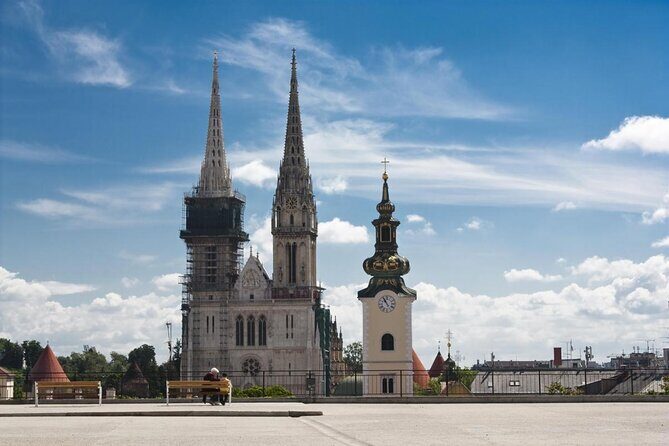
- Scaffolding and earthquake context that helps the city make sense today
- Cathedral of Zagreb and Kaptol as a true identity landmark, not just a photo stop
- Dolac Market for atmosphere and local food culture by the clock
- Tunel Gric and Petrini Pyli for that medieval-spirit feeling (without over-selling it)
- Funicular Railway option if you want to save energy, or walk the stairs
- Private group so your questions actually fit into the route
How Zagreb’s Upper Town stories connect after 2020 earthquakes
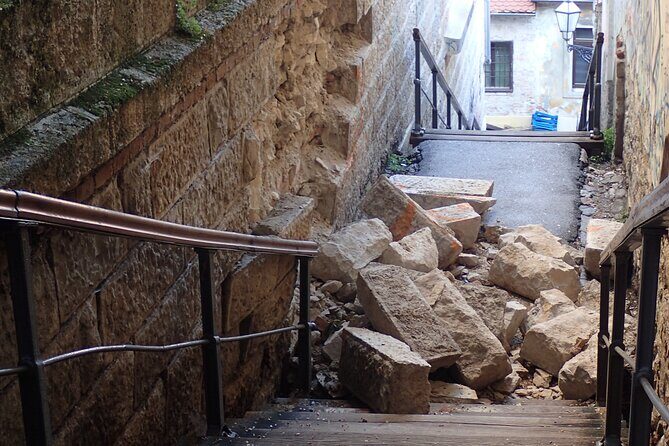
Zagreb is the kind of city where the past stays visible. Even when the city center looks wrapped up in scaffolds, the route still works and the conversation still lands—because your guide uses those visible changes to explain what happened and how the city has been adapting since 2020.
That matters, because it keeps the tour grounded. You’re not just ticking off sights; you’re learning why parts of Zagreb feel slightly “paused,” and how that shapes what you notice on the street.
You’ll also get a sense of the city’s big rhythm: church and authority at Kaptol, daily life in the markets and social streets, and medieval layering in the Upper Town. It’s a walk that helps you read Zagreb like a map you can carry in your head.
Other private walking tours in Zagreb

Start at Ban Josip Jelačić Square and get your bearings fast
The tour begins at Ban Josip Jelačić Square (Trg bana Josipa Jelačića), a natural starting point for most visitors because it’s central and easy to orient around. From there, you’ll head into the older core where the route mostly stays in walking distance.
The biggest value of starting here is practical: before you climb into the historic lanes, you get a guide’s framing. That framing is what turns random streets into a connected story.
This is also a private setup, so if your group moves a bit faster or slower than average, the guide can usually shape the pace to you within the 1 hour 30 minutes to 2 hours window.
Cathedral of Zagreb at Kaptol: the identity landmark stop
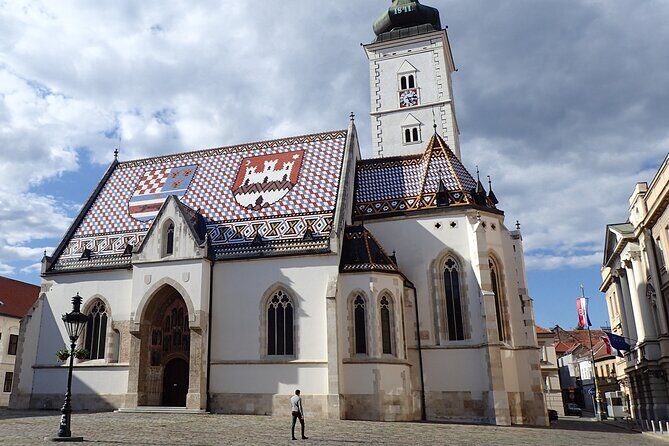
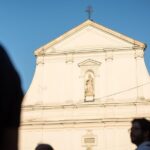
Stop one is the Zagreb Cathedral at Kaptol. This is not presented as a “pretty church for photos” stop. It’s treated as an identity building landmark—something that carries meaning for Croatians, and not just architecture enthusiasts.
You’ll have about 15 minutes here, and for a cathedral stop that’s usually the right amount. Enough time to take it in, notice key details, and then move on before the tour’s energy drains.
One practical tip: if you want extra time for photos or you’re curious about specific features, plan to arrive with a little flexibility in your schedule. The tour is designed around short, informative blocks, so you won’t want to spend your entire budget on one building.
Dolac Market: senses first, history second (but both matter)
Next comes Dolac Market, and the tour approach is classic Zagreb: daily life. This is your chance to slow down and experience the market’s feel—people, food, and the sense that locals still rely on seasonal basics.
You’ll get about 10 minutes here. That’s short, but it’s meant to help you connect the dots: this is where food culture lives day to day, and it has done so for a very long time.
A drawback to note: if you’re the type who wants a long wander with lots of browsing and buying, this may feel like a quick taste rather than a full market visit. You’ll still come away with the atmosphere, but you may want a separate time later to shop or snack.
Tkalciceva Street: Zagreb social life on a single lane
Then the walk shifts to Tkalčićeva Street—one of the main social streets in the city center. The key idea the guide shares is that this street wasn’t always there in the form you see today, so you learn how Zagreb’s public life kept changing and reorganizing over centuries.
You’ll have about 10 minutes here. That’s plenty to understand the street’s role and to notice how café culture fits into the broader urban story.
If you like people-watching, this stop is your friend. If you don’t, you might still enjoy it for the contrast: how a city’s everyday hangout spaces can also be historical indicators.
Other walking tours we've reviewed in Zagreb


Petrini Pyli (Stone Gate): medieval spirits without the fantasy
Stop four is Petrini Pyli, also called the Stone Gate. This is where the tour goes slightly spooky-in-a-fun-way, but grounded in the idea of medieval public space.
The “special place” framing here matters because gates like this are often more than entrances. They mark boundaries, movement patterns, and the feel of older Zagreb when travel within the city still had a different pace.
You’ll get around 5 minutes. That’s brisk, but it matches the route. Gates are best when you understand what they represent, then keep walking before the group loses momentum.
Gornji Grad Upper Town: where medieval hierarchy meets modern politics
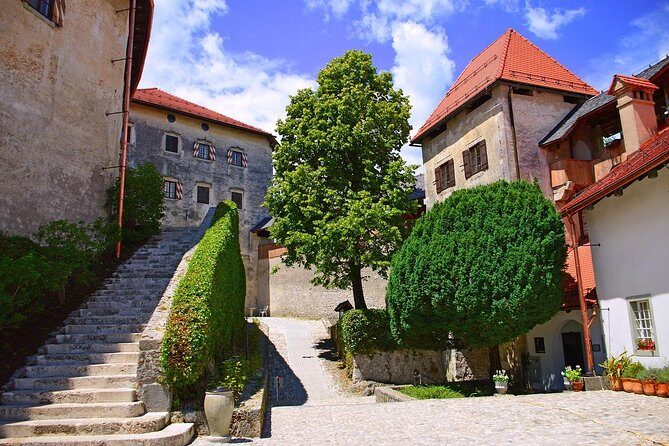
Now you climb into Gornji Grad (Upper Town). The guide explains a hierarchy concept: Kaptol and the cathedral were higher in rank, even if they weren’t necessarily above sea level. In other words, “higher” here is about meaning and power, not just elevation.
This is the stop where Zagreb’s political life becomes visible in the way landmarks anchor the square and street layout. You’ll have about 20 minutes, which is one of the longer blocks and usually gives you time to absorb both the views and the explanation.
Why this part is valuable: it helps you stop treating the Upper Town like a photo set. Instead, it becomes a functional map of how authority and community shaped space.
St. Mark’s Church and the Upper Town square community feel
Stop six is St. Mark’s Church, but the tour flips the usual assumption. It notes that the saint patron isn’t the driver of the story; what matters is that the main medieval square and the main community church of the Upper Town are called after St. Mark.
You’ll spend about 10 minutes here. That’s enough time to get the meaning of the naming and to picture the community who lived around this square before today’s patterns took over.
If you’re in Zagreb during the holiday season, or any time the city feels lively, this stop can also act like a calm anchor. The guide’s framing helps you separate what feels like tradition from what is purely present-day atmosphere.
Funicular Railway: choose your energy (and your views)
Next is the Funicular Railway. This stop includes a real choice based on your fitness and preferences.
You might take the funicular, described as the shortest funicular in the world, with a cost of 5 Kunas per person in 2021. Or you can walk down a set of steep stairs through a picturesque hidden park.
The guide frames it as cut-it-short versus walk-it-out. That’s helpful because it means the tour doesn’t force one style on your group.
A practical consideration: you’ll likely be tired by this point, especially if you climbed earlier. If stairs aren’t your thing, choose the funicular and save your energy for the last stretch. If you enjoy walking and you want the park-style scenery, take the stairs and treat it like part of the experience.
Also, the funicular ticket is not included in the tour price.
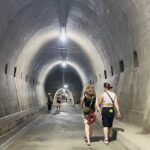
Tunel Gric: fairytale or nightmare, then the real story
Stop eight is Tunel Gric. The way this is presented is playful: fairytale or nightmare. Then your guide gives you the truth behind the idea so you don’t leave with only the spooky mood.
You’ll have about 10 minutes. That’s long enough for impressions and explanation, but not so long you feel stuck waiting for the group.
This stop is one of the reasons I like this tour model. It doesn’t rely on only one kind of attraction. You get church space, market energy, street social life, then something atmospheric and story-driven.
Square of Petar Preradovic: social stage and coffee culture
The final key stop is the Square of Petar Preradović. Here’s the interesting detail: if you ask a local citizen for directions, they might not use the name you’re learning from the tour.
The guide explains that, along with a second social square (Tkalčićeva), this area functions as a main stage for Zagreb’s social life, including coffee culture and the passing of people with more of the “elite” vibe.
You’ll get about 5 minutes—more of a landing point than a long hangout.
This is a good place to pause mentally. By now you’ve seen the city’s core “why,” so the current-day social scene lands with more meaning. Even if you don’t buy anything, you’ll understand what you’re looking at.
Route flow and timing: why the 1.5 to 2 hours works
The whole experience is designed for a tight loop through Upper Town highlights, with stops ranging from 5 minutes to 20 minutes. That structure matters because Zagreb’s hills can add up fast. You’re not left standing around waiting for other people, and you’re not forced into long quiet stretches.
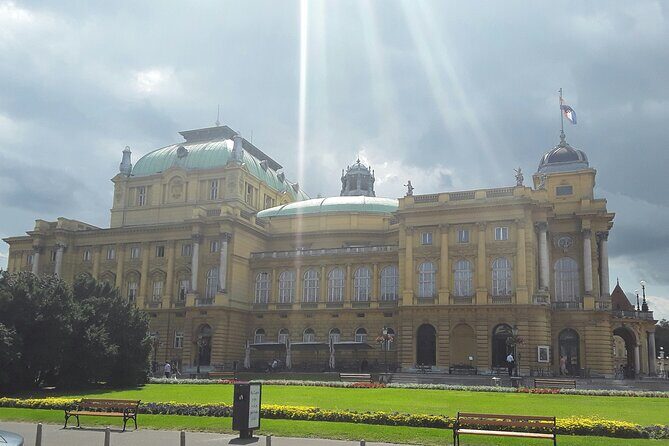
The tour ends at the Croatian National Theatre in Zagreb (Trg Republike Hrvatske 15). That’s a smart finishing spot because it gives you a clean “done” landmark and a practical area to move to next—dinner, a museum, or just your next wander.
Since the tour is private, your group is the only one participating. That usually makes questions easier to handle, especially for people who want specifics rather than general vibes.
Private guide value: what 28.92 gets you in real life
The price is $28.92 per person for about 1 hour 30 minutes to 2 hours, and it includes a mobile ticket system. The big value isn’t only the sights—it’s the fact that the guide can connect them.
Most of the stops in the route list have free admission tickets, so you’re mostly paying for the local interpretation, pacing, and the way the walk is stitched together into a coherent narrative.
The one notable exception is the funicular, which costs extra if you choose it. That’s normal for this kind of route, and it’s good that you have a choice rather than a forced expense.
If you’re the type who likes to ask questions mid-walk, private format tends to pay off. If you just want a checklist and you don’t care about explanations, you might not feel the full benefit. But for anyone who wants Zagreb to make sense fast, this pricing is pretty reasonable.
What to wear and how to pace yourself
Because this route includes hills and steps, go in with moderate physical fitness in mind. Comfortable shoes are non-negotiable here.
If you’re sensitive to stairs, consider planning to use the funicular. If you’re comfortable walking down, the stairs through the park-style passage can be a scenic bonus. Either way, you should aim to keep a steady pace so you don’t feel rushed at the stops with short durations.
If you’re traveling with service animals, the tour allows them. If you’re arriving by public transport, the start point is described as being near it, which helps you avoid time-wasting on transit planning.
Who should book this Zagreb walking tour
This one fits best if you want:
- A guided story of Zagreb’s culture and history, not just photos
- A route focused on the Upper Town’s major landmarks in a short time
- Help understanding why the city looks the way it does after the 2020 earthquakes
- A private experience where your questions can fit into the walk
It’s also a good fit for first-time Zagreb visitors who feel overwhelmed by the number of “must sees.” The route keeps the priorities clear.
If you hate walking and would rather sit for most of the time, you’ll likely find it too active. Also, if you want long museum-style time at each stop, the short stop lengths might feel limiting.
Final call: should you book this private walk?
I’d book it if you want Zagreb to feel like a place with a clear thread. The earthquake context adds seriousness without killing the fun, and the mix of cathedral, market life, social streets, and story-driven corners like Tunel Gric keeps it interesting.
I’d skip it if you only care about spending lots of time inside sites, or if hills and steps will drain you. In that case, you can still see Zagreb, but you may prefer a less vertical plan.
One last practical note: since you end near a big landmark, I like to pair this with a relaxed next step—dinner nearby or a simple evening stroll—so the tour doesn’t feel like the entire day.
FAQ
How long is the private walking tour?
It lasts about 1 hour 30 minutes to 2 hours.
What is the meeting point for the tour?
The start is at Ban Josip Jelačić Square (Trg bana Josipa Jelačića).
Where does the tour end?
The tour ends at the Croatian National Theatre in Zagreb (Trg Republike Hrvatske 15).
Is this tour private?
Yes. It is a private tour/activity where only your group participates.
What does the tour cost?
The price is $28.92 per person.
Are any tickets included for the stops?
Most listed stops show admission tickets as free. The funicular ticket is not included.
Is the funicular optional?
Yes. The guide explains that the choice depends on your fitness level and willingness to walk down the hill.
How much is the funicular if I use it?
The tour information says it costs 5 Kunas per person in 2021.
Is the tour suitable if I have moderate fitness?
The tour is described as suitable for travelers with moderate physical fitness.
Can I bring a service animal?
Yes, service animals are allowed.
What is the cancellation policy?
You can cancel for a full refund up to 24 hours in advance of the experience’s start time. If you cancel less than 24 hours before, the amount paid is not refunded.