REVIEW · ZAGREB
Highlights of Istria Full-Day Photo Tour from Zagreb
Book on Viator →Operated by Croatia Photo Tour · Bookable on Viator
Istria turns your camera into a passport. This full-day photo outing routes you through Motovun, Rovinj, and Pula with a pro photographer (Igor) so you’re learning as you shoot, not just sightseeing.
I like how the day mixes postcard scenes with real instruction: framing, angles, and how to edit your choices on the spot. My one caution is the long day (12–14 hours) and that food and drinks aren’t included, so plan ahead for breaks and energy.
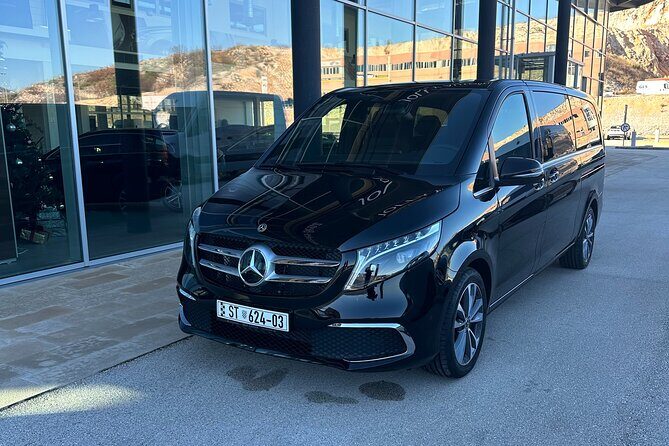
This is also a small, private setup—up to seven people—with pickup from your Zagreb area lodging and an English-speaking guide.
In This Review
- Key things that make this tour worth your time
- Istria photo day: why these towns work so well
- Small-group privacy from Zagreb, without the stressful planning
- Your photo coach: how Igor-style guidance helps (even if you’re not advanced)
- Motovun hilltop: walls, valleys, and frames with “shape”
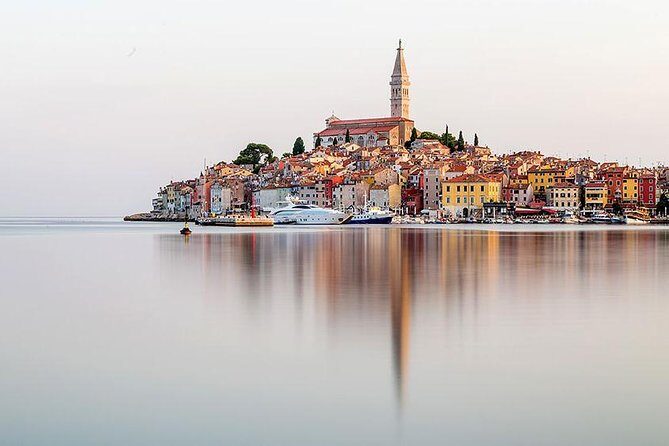
- Rovinj port: colorful houses, St. Euphemia, and easy sunset options
- Pula Roman set pieces and Austro-Hungarian fort ideas
- Photography tips you’ll actually use on the move
- Timing, walking, and what to pack for a 12–14 hour day
- Price and value: what you’re paying for at $325.30
- Should you book? My quick decision guide
- FAQ
- FAQ
- How long is the Istria Full-Day Photo Tour from Zagreb?
- What does the tour cost per person?
- Is hotel pickup and drop-off included?
- Is the tour private?
- What kind of language support is offered?
- Are admission tickets included for the stops?
- Is the tour operating in bad weather?
- Is there a minimum age requirement?
Key things that make this tour worth your time
- Pro coaching where you’re actually taking photos (not classroom theory)
- Three very different Istrian towns: hilltop walls, seaside color, and Roman ruins
- Good admissions value: amphitheatre and Motovun tickets included; Rovinj is free
- Small group feel so you can ask questions and get help with your framing
- Weather-friendly mindset since the tour runs in all conditions and plans can adjust
- Crisp, practical learning focused on what to shoot and how to simplify a scene
Istria photo day: why these towns work so well
Istria is one of those places where your camera has to work overtime—in the best way. You get tight cobblestone streets, bright houses, stone fortifications, Roman monuments, and big open views all in one long circuit. That variety matters because it forces you to use different skills: wide-angle storytelling at a viewpoint, careful composition in old lanes, and detail shots when the light turns dramatic.
What makes this tour click is that it’s built around those photo moments, not around a checklist of monuments. You’ll move from Motovun’s hilltop walls (great for geometry and patterns) to Rovinj’s shoreline (perfect for color and layered streets) and then to Pula where Roman architecture and shipyard shapes give you strong structure.
And because you’ll have professional guidance with Igor, the day doesn’t feel random. The stops are set, but your approach gets smarter as you go. That’s the biggest value: you leave with better habits, not just a pile of images.
Other Istria tours we have reviewed in Zagreb
Small-group privacy from Zagreb, without the stressful planning
You start in Zagreb with pickup from your accommodation or nearby, and you’re back in Zagreb at the end of the day. The transport is by private vehicle, and the group size is capped at seven. That small limit is huge. In a large group, you spend half your time waiting; here, you can actually slow down when you want to, ask questions, and re-frame a shot instead of feeling rushed.
The tour also runs in all weather conditions. That’s not a promise of sunshine, but it does mean you’re not stuck canceling plans every time clouds show up. You should still dress for the day you get—rain, wind, and cooler temps can change how long you’ll want to walk.
Language is also covered: the tour is offered in English, so you can follow instruction clearly and ask about the settings or the “why” behind a composition.
Finally, you’ll get a mobile ticket, and confirmation is provided within 48 hours of booking (subject to availability). That’s the kind of practical detail that keeps the morning calm.
Your photo coach: how Igor-style guidance helps (even if you’re not advanced)
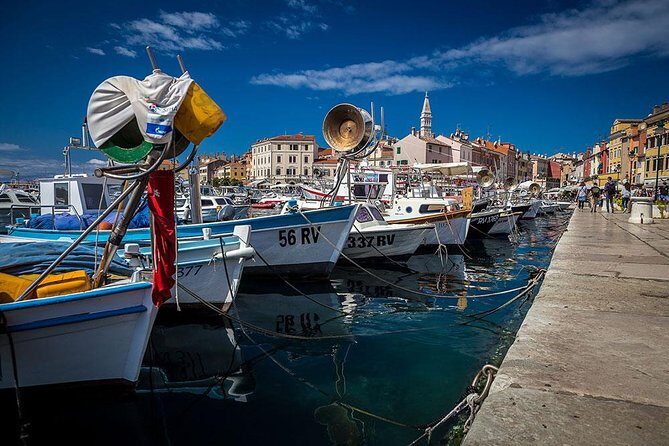
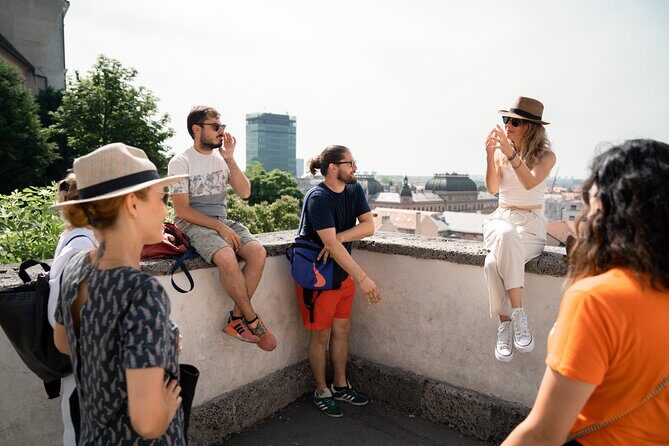
If you love photography but feel like you might be out of your depth, this kind of tour is a good fit. The teaching style here is practical. You’re not being lectured; you’re being guided while you’re standing in front of the subject.
A real example from a rainy day: Igor stayed patient and kept the plan workable as weather shifted. That matters because good photos often require waiting for the right light, not forcing it. He also focused on framing choices—less stuff in the image can look better than stuffing in everything you see. It’s a hard habit to break on your own, and it’s exactly what you practice during this route.
Expect help like:
- Finding a stronger viewpoint (not just shooting straight on)
- Simplifying a busy scene into a clean composition
- Adjusting how you include foreground/background so your photo tells a story
If you’re an experienced shooter, you’ll still get value because the instruction is about decisions—what to include, what to cut, and how to keep the image intentional.
If you’re new, you’ll appreciate the reassurance. This is the kind of day where you can ask questions and not feel judged for not knowing everything.
Motovun hilltop: walls, valleys, and frames with “shape”
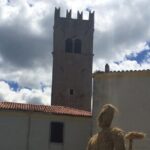
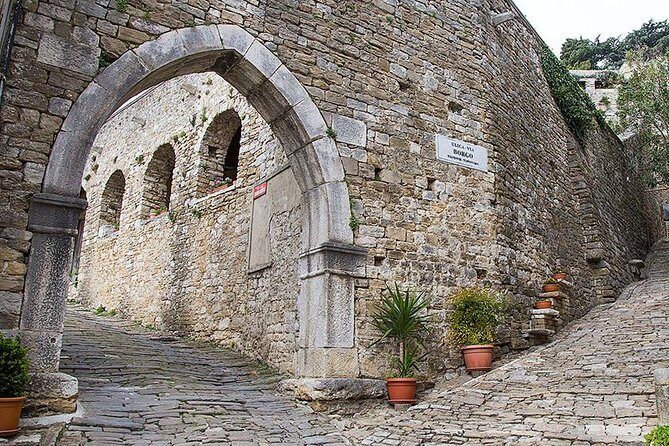
Motovun is the hilltop stop that teaches you how to use elevation creatively. The town sits on a steep rise, with protective walls that stay mostly intact, so you can work with strong lines and repeating shapes. It’s a great place to practice composition because the environment naturally creates patterns.
You’ll start with photography from the surrounding hills for wider context shots, then move into the town area and spend time walking around the walled ancient city. The walls are not just scenery; they give you framing options—shoot through arches, angle your view to include the road curves, and use the walls as leading lines.
This stop is also one where you can slow down. Two hours gives you time to:
- Find a viewpoint that matches your style (wide establishing images vs. tight details)
- Walk sections of the walls
- Re-do shots after you see what the light does
Admission is included here, so you’re not calculating ticket steps while you’re trying to shoot.
One practical note: since the route includes hilltop walking and cobblestones in other places, moderate physical fitness helps. Wear shoes with grip—your best photos will come after you feel stable.
Rovinj port: colorful houses, St. Euphemia, and easy sunset options
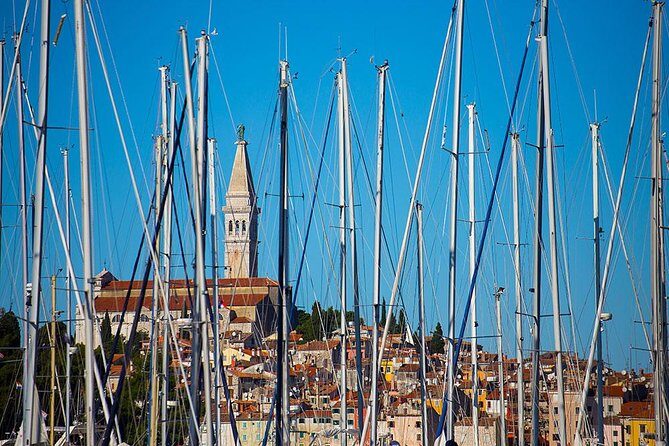
Rovinj is the seaside town where color becomes part of your composition. The port area is visually active: houses sit close to the water, and the streets mix tightly with views that open and close as you move. That’s why it’s such a photographer’s stop. Every turn can change your background.
You’ll spend time in the old port area and explore cobblestone lanes. Dominating the skyline is the baroque church of St. Euphemia (18th century). You’ll have chances to photograph it both from a distance and up close, and the plateau in front helps with sea views—ideal for golden-hour work.
There’s also an optional challenge: you can climb the bell tower, listed at 62 meters. If you’re comfortable with stairs and want a higher viewpoint, it can add dramatic depth to your shots.
Rovinj is timed well for photographers because you also get a chance to shoot the “in-between” moments—boat masts, shoreline angles, and street scenes that don’t need major landmarks to look good.
Admission for this stop is free, so you can focus on walking and framing without added entry hassles.
Other photography tours in Zagreb
Pula Roman set pieces and Austro-Hungarian fort ideas
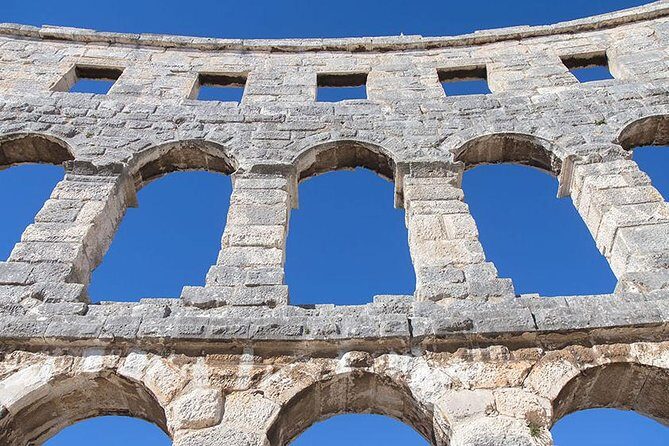
Pula is where Istria shifts into monuments and military-era texture. You’ll start at the Amphitheatre de Pula, a Roman amphitheatre about two centuries old and described as the sixth largest still standing in the world. It’s right in the middle of modern Pula near the sea and shipyard, which means you can get both Roman structure and contemporary surroundings in one frame.
Admission is included here, and the location gives you options:
- Big, wide shots that show the scale
- Lower angles that emphasize arches and repetition
- Detail shots that isolate stonework textures
Then you’ll move into the broader Pula areas for more photo time, including military fortifications linked to the Austro-Hungarian era. That mix is useful because Roman ruins can look “timeless,” while fortifications add a different kind of storytelling—more rugged, more utilitarian, and often better for moody contrast.
One special photo note in the tour plan: the shipyard cranes can change colors after dark. So if your day runs toward evening light, keep your eyes open and be ready for that shift. Even when you don’t get night photos, the crane shapes and sea setting still give you strong composition opportunities.
The day ends with the return to Zagreb.
Photography tips you’ll actually use on the move
The best part of this tour isn’t a list of landmarks—it’s the way the guidance is tied to what you’re shooting right now. Igor’s style, based on how the day is described, tends to focus on decisions you can make immediately.
Here’s how that shows up in your experience:
- You’ll get tips on capturing the perfect shot as you move from stop to stop
- You practice framing in real scenes (not just in front of a museum wall)
- You learn to avoid the urge to include everything
A useful mindset shift from the coaching you’ll experience: sometimes less is more. That means you’ll train yourself to cut extra clutter—random signage, extra people, or messy foregrounds—so your subject reads clearly.
This matters especially in Rovinj and Motovun, where streets can get busy visually. Good composition isn’t about having a “fancier” camera; it’s about choosing what the viewer should notice first.
Timing, walking, and what to pack for a 12–14 hour day
This is a 12–14 hour outing, so think like a marathoner, not a tourist who strolls. Your time is spent efficiently—moving by vehicle between towns—but once you arrive, you’ll be on your feet for photo stops and walking.
The tour runs in all weather, and rain is part of the reality of trying to shoot outdoors. If you start wet, the guide may adjust how the day unfolds as conditions shift, using the windows where streets are more comfortable and skies clear up. That flexibility is a big deal on long days.
Pack for comfort first:
- Comfortable, grippy shoes for cobblestones and hilltop walking
- Layers for changing temps from sea air to hillside viewpoints
- A rain layer that works fast (because you don’t want to waste prime minutes)
- A small bag for water/snacks if you know you’ll want them
Also remember: food and drinks aren’t included. Even if the itinerary includes time to stop for lunch along the way (you might find a planned break), you should bring cash or plan to buy what you need.
Price and value: what you’re paying for at $325.30
At $325.30 per person, this isn’t the cheapest way to cover Istria from Zagreb. The value comes from three things working together:
- You’re paying for instruction
A pro photographer guide means you’re not just consuming locations. You’re actively improving your photos while you’re there.
- You’re paying for a small private group
Up to seven people keeps the experience personal. You can ask questions, re-shoot angles, and adjust your plan.
- You’re paying for practical inclusions
Hotel pickup/drop-off, private transport, and admission for the amphitheatre and Motovun are included. Rovinj’s stop is free, which helps balance the cost.
If you were to DIY, you’d save money, but you’d lose the coaching and the time-saving routing. For someone who cares about photography, those trade-offs are often worth it—especially if you’re traveling from Zagreb and don’t want to spend your day figuring out driving logistics plus photo “workflow” at the same time.
Should you book? My quick decision guide
Book it if:
- You want to photograph Motovun, Rovinj, and Pula in one day from Zagreb
- You’d rather improve your eye and camera skills than just take standard sightseeing shots
- You like small group travel and want more one-on-one attention with a pro (Igor)
Skip it or think twice if:
- You’re not comfortable with a long day and some walking on uneven streets
- You don’t want to handle food and drinks on your own during the day
- You prefer flexible independent wandering without scheduled stops
If you’re a photography lover, this tour is a good match because the route is built around scenes that teach composition. And if weather turns rough, it’s still designed to keep you shooting instead of throwing the whole day away.
FAQ
FAQ
How long is the Istria Full-Day Photo Tour from Zagreb?
It runs about 12 to 14 hours.
What does the tour cost per person?
The price is $325.30 per person.
Is hotel pickup and drop-off included?
Yes. You get pickup from any accommodation in or near Zagreb (or enroute to Istria) and drop-off back at your Zagreb hotel.
Is the tour private?
Yes. It’s a private tour/activity, and only your group participates. The maximum group size is seven people.
What kind of language support is offered?
The tour is offered in English.
Are admission tickets included for the stops?
Yes, admission is included for the Amphitheatre de Pula and Motovun hilltop walled city. The Rovinj port stop is listed as free.
Is the tour operating in bad weather?
It operates in all weather conditions, so you should dress appropriately.
Is there a minimum age requirement?
Yes, the minimum age is 18 years.