REVIEW · ZAGREB
2 hour Private Walking Tour of Zagreb
Book on Viator →Operated by Bespoke Croatia Tours & DMC · Bookable on Viator
Zagreb clicks into focus fast. This private 2-hour walking tour is built for first-timers who want the big sights without playing map detective, and it comes with smart local tips around Dolac Market and the Upper Town. I like that the guide keeps the pace friendly and turns landmarks into stories you can actually use later.
One thing to consider: it’s a walking tour, so you’ll move at city pace for the full loop. Also, the Grič Tunnel can be closed occasionally due to events, so the time there may shift.
If you have limited time in Zagreb, this is the kind of tour that helps you spend the rest of your stay wandering with confidence instead of asking Where do we go next?
In This Review
- Key highlights at a glance
- A Private Two-Hour Zagreb Primer on Foot
- Meeting at Zrinjevac and Getting Oriented Fast
- Lower Town Highlights: Jelacic Square, Cathedral, Dolac Market
- Petrica Kerempuh to Tkalčićeva: Following the People, Not Just Buildings
- Krvavi Most and Grič Tunnel: WWII Context Without the Heavy Feel
- Up the Funicular to Gornji Grad: Views You Can Point To
- Stone Gates and Finishing at Ban Josip Jelačić Square
- Price and Logistics: Why This Tour Feels Fair
- What Makes Karlo’s Zagreb Approach Different
- Who This Zagreb Tour Is For (and Who Might Want More Time)
- Should You Book This 2-Hour Zagreb Walking Tour?
- FAQ
- How long is the 2 hour private walking tour of Zagreb?
- How much does the tour cost?
- Is this tour private?
- Do you provide pickup?
- Is the tour conducted in English?
- Does the tour include funicular tickets?
- Where does the tour start and end?
- What happens if Grič Tunnel is closed?
- What sights are included during the walk?
- Can I cancel for a refund?
Key highlights at a glance
- Licensed local guide who handles the routes and keeps the walk interesting, not lecture-y
- Funicular ticket included, so Upper Town views aren’t just something you hear about
- Dolac Market food specialties and practical pointers on what to look for (and what to try)
- WW2-era stops like Krvavi Most and Grič Tunnel, explained in plain language
- Upper Town photo moments from promenades and church rooftops, plus helpful context
- Karlo’s tablet/iPad history photos that show how places looked before
A Private Two-Hour Zagreb Primer on Foot
Zagreb can feel like two cities stitched together: the Lower Town with its daily life, and the Upper Town with views, churches, and hilltop drama. This tour is designed to give you both in about two hours, on foot, without turning every stop into a museum appointment.
Because it’s private, the guide can adapt the flow to your group. If you’re the type who wants street-level detail—why a square looks the way it does, what people used to do there—this format fits. If you’re more into photos and quick orientation, it still works. It’s also a nice value play for short stays: a guide plus one included ride (the funicular) means fewer decisions and less wasted time.
The other reason I like this approach: walking tours don’t just show you sights. They teach you the logic of the city—how streets slope, where the best sightlines are, and how the Upper Town connects back to the main square.
Other private walking tours in Zagreb

Meeting at Zrinjevac and Getting Oriented Fast
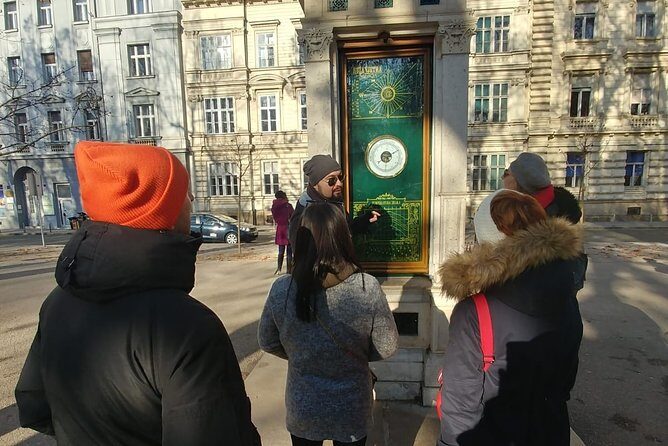
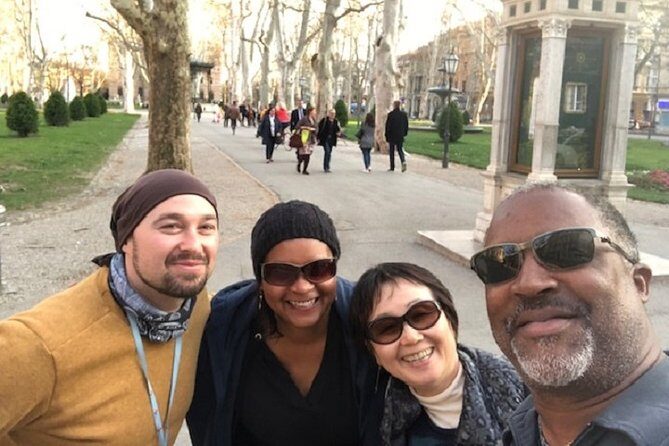
You start at Zrinjevac 2, near the meteorological station, and the first minutes matter. Zrinjevac is one of those places that looks straightforward until someone explains why it’s there and what it connects to. You get a quick history setup, plus the itinerary so you’re not waiting for the tour to start feeling like a scavenger hunt.
This is where the guide’s role becomes obvious. You could walk Zagreb on your own, yes—but you’d likely miss the small cues that tell you what you’re looking at. Here, the guide points out what to notice around you right away, then keeps that thread going through the rest of the walk.
If you’re someone who hates being late or lost, this is a real stress reducer. You’re on a timed route, with a licensed guide meeting you right at the start.
Lower Town Highlights: Jelacic Square, Cathedral, Dolac Market
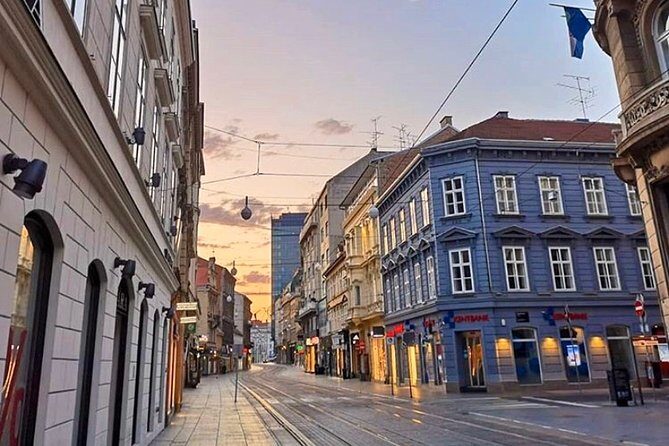
From Zrinjevac you head to Ban Josip Jelačić Square, the main square and the heart of “first day in Zagreb” energy. It’s a short stop, but it sets the tone. You learn the key facts of the area so the rest of the Lower Town doesn’t feel random.
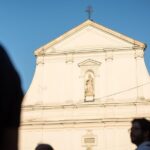
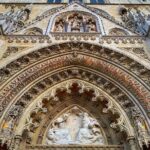
Next up is the Cathedral of Zagreb. This is one of the spots where the wording matters: it’s not just a church photo. The cathedral is described as a sacral building with multiple architectural styles. That means you’ll actually look for differences—shapes, materials, and design changes—instead of just snapping one postcard angle.
Then comes Dolac Market, a highlight for anyone who likes food culture. It’s described as Zagreb’s lively green market, and the value here isn’t only the produce. It’s the guide help: what local specialties are, what’s worth trying, and how to think about Croatian ingredients when you’re eating on your own later.
A small caution that can matter: market opening can depend on the day. In one case, the market wasn’t open due to All Saints’ Day, but the tour still worked as a sight-and-orientation experience. Translation for you: don’t panic if a market isn’t operating—your guide can still make the stop meaningful.
Petrica Kerempuh to Tkalčićeva: Following the People, Not Just Buildings
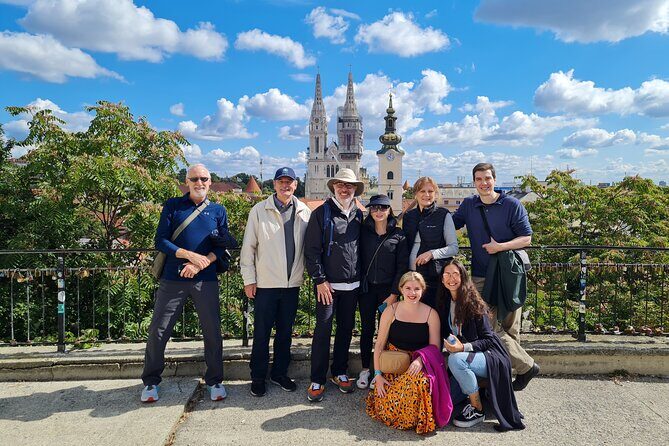
After the big landmarks, the tour slows down into street life. The statue of Petrica Kerempuh gives you a doorway into Opatovina, described as a lively hangout spot. Even if you don’t know the name beforehand, it’s the kind of stop that turns the area from “another block” into a place with identity.
Then you move to Tkalčićeva Street, known for its casual local habits. The payoff here is subtle but important: you learn how locals spend time in this part of town, what kinds of places show up, and what the vibe is supposed to feel like. It’s the difference between choosing a random café and picking one that fits your mood.
These mid-tour stops are also a good reset. You’ve done major sights; now you get a feel for everyday Zagreb, which is what makes the rest of your photos look better. You start seeing where people actually gather and why.
Krvavi Most and Grič Tunnel: WWII Context Without the Heavy Feel
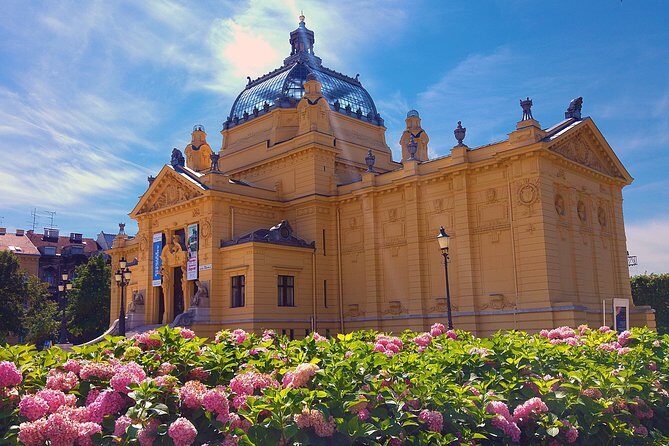
Two stops help you understand Zagreb in a more human way: Krvavi Most (Bloody Bridge) and Grič Tunnel.
The Bloody Bridge stop is brief, but it tackles the story behind the name. That matters because names in old European cities often hide the events that shaped them. Without context, it’s just a bridge. With context, it becomes a clue.
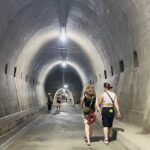
Then you have Grič Tunnel, a WW2 legacy site with a practical note: it may be closed occasionally due to events. If it’s open, you’ll have a short, meaningful walk that connects modern Zagreb to wartime reality. If it’s closed, you still won’t feel stranded because the tour stays structured around the rest of the city loop.
My advice: wear shoes you can trust. Even when the stops are short, tunnels and river crossings can mean uneven ground and a bit more time looking up at surroundings.
Other walking tours we've reviewed in Zagreb


Up the Funicular to Gornji Grad: Views You Can Point To
The transition from Lower Town to Upper Town is one of Zagreb’s best tricks, and this tour uses it the smart way. The funicular railway ticket is included, so you’re not standing around wondering how you’ll get up the hill.
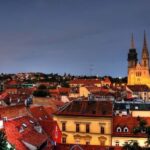
Once in Gornji Grad (Upper Town), the guide turns the viewpoint into a lesson. You visit the medieval Lotrščak Watchtower, then stroll the Strossmayer promenade where you get views stretching toward the south bank of the Sava river. This is the kind of view you’ll remember long after you’ve left, especially because you learn what direction you’re looking and what the city layout means.
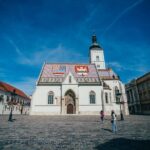
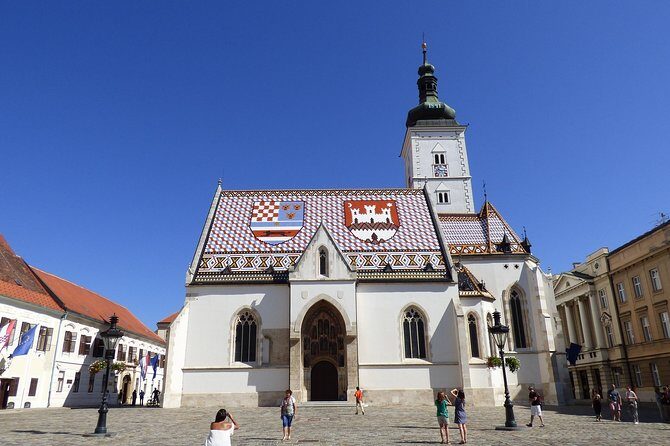
St. Mark’s Church is another key stop. You notice the rooftops, then get the extra context about the seat of Parliament and Government. That helps you link what you see with how the city is organized today—not just what it was back then.
There’s also mention of Zagreb’s museums, including the Museum of Broken Relationships, which is a strong clue that Zagreb doesn’t only do classic history. It does modern, offbeat storytelling too.
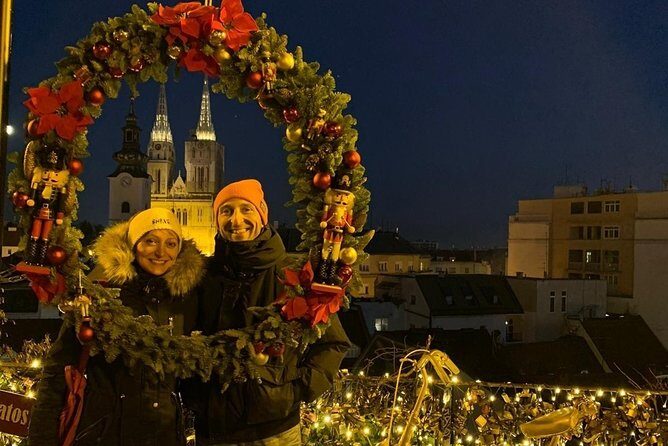
Expect plenty of photo moments here. The guide helps you find angles worth stopping for, not just the generic skyline shot.
Stone Gates and Finishing at Ban Josip Jelačić Square
Near the end, you pass by Petrini Pyli, the Stone Gates, described as the only medieval gates remaining today. The point isn’t just the stone. It’s the connection: you learn the history and the idea of what a gate meant in medieval city movement. Then you walk through and re-enter the flow toward the main square.
The tour ends at Ban Josip Jelačić Square, which is extremely convenient for your next move. Since the tour finishes near the starting area, you can easily keep exploring without adding transport stress. It’s also a great place to pick a late lunch or coffee because you’re back in the city’s center.
If you like to keep momentum, this end point works. If you like to decompress, it works too—because you’re in an area with plenty of options right around you.
Price and Logistics: Why This Tour Feels Fair
At $66.38 per person for about 2 hours of private guiding, this isn’t “cheap” in the pocket-change sense. It does have something that justifies it: the guide time is private, and the funicular ride is included. You’re paying for local interpretation plus transportation within the city’s hilltop layout.
A walking tour like this also saves money indirectly. When you don’t have to buy multiple tickets just to reach the right neighborhoods, or when you don’t waste time zigzagging, you’re basically protecting your trip budget.
It’s also worth noting that this tour uses a mobile ticket, and pickup is offered (if you want it). That’s handy if you’re juggling luggage, jet lag, or tight timing.
One more practical angle: the guide’s experience shows up in pacing. A good two-hour highlight walk should feel like you got oriented, not like you got dragged through ten stops. The short, focused stops help you keep the mental map in your head.
What Makes Karlo’s Zagreb Approach Different
The guide’s style is a big reason this tour earns a perfect score from so many people. Karlo is consistently described as energetic, friendly, and funny in a way that keeps the walk moving.
Here’s what stands out in the details you can plan for:
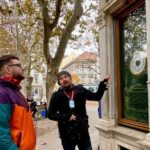
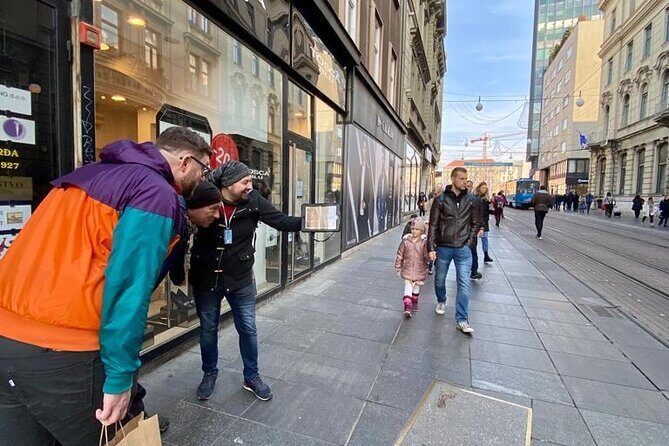
- He uses a tablet/iPad with historical photos, so you’re not only learning what something is now—you see what it looked like before. That makes older architecture and city changes feel real instead of abstract.
- He personalizes the pace and focus. On one tour, the itinerary shifted toward food interests, and on another, vegetarian restaurant preferences were used to shape recommendations.
- He brings practical care for comfort, like water and tea, especially helpful for solo travelers who might feel the day more intensely.
Food tips show up in a very usable way. In the market, the guide has helped people sample items like honey and various oils, and in at least one case there was a cheese-tasting side stop not strictly limited to the standard route. That tells me the guide isn’t rigid when there’s a good opportunity to make the experience better.
You also get extra value after the walk. Multiple people mention receiving suggestions for where to eat, drink, and even what kind of wines or drinks to try. That’s the kind of follow-through that can turn a two-hour tour into a whole-day advantage.
Who This Zagreb Tour Is For (and Who Might Want More Time)
This works best if you:
- have a short time window and want high-impact highlights
- want help understanding architecture and city layout without staring at a map every five minutes
- enjoy food culture enough to care about Dolac Market beyond just photos
- like a guided pace with room for questions
It may not be ideal if you want a deep museum day. This is a highlights walk. Even though the stops mention museums and cultural options, the time at each sight is short by design.
Also, if you hate walking, you’ll feel the hill-to-hill movement. The funicular reduces the biggest climb, but it’s still a city walk.
If you want a slower trip, you can still use this tour as your first move and then return later for longer hangs. I like using it that way: do the orientation walk first, then pick one or two areas to explore longer.
Should You Book This 2-Hour Zagreb Walking Tour?
If you want a smart introduction to Zagreb with a guide who makes the stories stick, I’d book it—especially at this price point with the funicular ticket included. The route hits the essentials: main square, cathedral, Dolac Market, the wartime layer with Bloody Bridge and Grič Tunnel, then Upper Town with views from promenades and the watchtower area.
Book it if your priority is getting oriented fast and getting good food and local tips you can use right after the tour.
Skip it only if you want long time at each stop or you’re hoping for a heavy museum-style day. For everything else, this is a strong way to get real Zagreb context without turning your visit into a checklist.
FAQ
How long is the 2 hour private walking tour of Zagreb?
The tour lasts about 2 hours.
How much does the tour cost?
The price is $66.38 per person.
Is this tour private?
Yes. It’s a private tour/activity, so only your group participates.
Do you provide pickup?
Pickup is offered.
Is the tour conducted in English?
Yes, it’s offered in English.
Does the tour include funicular tickets?
Yes. The funicular railway ticket is included.
Where does the tour start and end?
It starts at Zrinjevac 2, 10000 Zagreb, Croatia, and ends at Ban Josip Jelačić Square (Trg bana Josipa Jelačića, 10000, Gornji Grad – Medveščak, Zagreb).
What happens if Grič Tunnel is closed?
The tunnel may be closed occasionally due to events, so you may not be able to enter at that moment.
What sights are included during the walk?
Stops include Zrinjevac, Ban Josip Jelačić Square, the Cathedral of Zagreb, Dolac Market, Petrica Kerempuh statue, Tkalčićeva Street, Krvavi Most, Grič Tunnel, the funicular ride, Upper Town Gornji Grad, and the Stone Gates area (Petrini Pyli).
Can I cancel for a refund?
Free cancellation is available. You can cancel up to 24 hours in advance for a full refund.