REVIEW · ZAGREB
Zagreb: Museum of Illusions Entrance Ticket
Book on GetYourGuide →Operated by Museum of Illusions Zagreb · Bookable on GetYourGuide
One room can change how you see the world. Zagreb’s Museum of Illusions packs 70+ hands-on visual and sensory exhibits, with a serious highlight: one of Europe’s largest hologram presentations. It’s the kind of place where science feels playful and photos actually capture what’s happening, not just the crowd.
I especially like the nonstop variety, from gravity-bending illusions to mirror mazes that mess with your depth perception. I also love the built-in photo moments, like the Rotated Room, where you can make a believable optical trick in minutes. The main drawback to consider is that the layout can feel a bit free-form and repetitive if you prefer tightly guided, linear attractions.
In This Review
- At a Glance: What Makes This Museum Tick
- Zagreb’s Museum of Illusions: The Simple Reason It Works
- One of Europe’s Biggest Hologram Exhibitions
- Hands-On Rooms: Gravity, Scale, Mirrors, and Perspective Tricks
- The Rotated Room Photo Moment (Bring Your Camera)
- Playroom Breaks: Games, Puzzles, and Learning Without Lectures
- How to Handle the Layout: Crowds, Flow, and When to Move On
- Price and Value: What $14 Buys You in Real Terms
- Practical Details Before You Go
- Accessibility and Comfort: A Quick Reality Check
- Who Should Book This Museum in Zagreb?
- Should You Book the Zagreb Museum of Illusions?
- FAQ
- How much is the entrance ticket for Zagreb’s Museum of Illusions?
- How long is the Museum of Illusions visit?
- What’s included with the ticket?
- Where do I go to enter?
- What should I bring?
- What items are not allowed inside?
- Is the museum wheelchair accessible?
- What languages are available on-site?
At a Glance: What Makes This Museum Tick
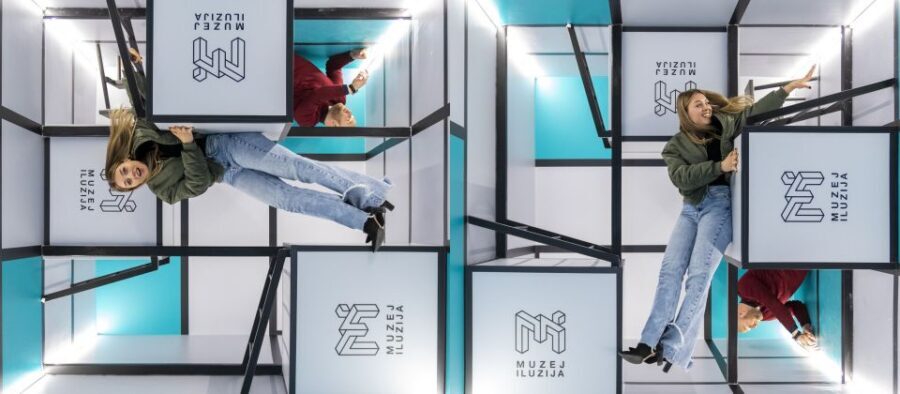
- 70+ illusion exhibits built for hands-on play, not just looking
- Major hologram exhibition claimed as one of the largest in Europe
- Photo-friendly rooms like the Rotated Room and other camera-ready setups
- Big variety of optical and sensory tricks (gravity, scale, mirrors, perspective)
- Playroom with educational games and puzzles for lighter, interactive breaks
- English and Croatian support, plus captioning in several languages
Zagreb’s Museum of Illusions: The Simple Reason It Works

If you’ve ever had an optical illusion make you feel briefly silly, you’ll fit right in here. The museum leans hard into perception—how your eyes take in information and how your brain decides what it means.
The experience is easy to enjoy at almost any pace. You can move room to room, stop when something catches your eye, and linger for photos or to re-watch how the illusion changes.
And there’s a practical bonus: this is a great “half-day or full-day filler” activity in Zagreb. It’s indoor, it’s ticketed, and you’ll be busy without needing special skills or a guide.
Other Museum of Illusions tickets and tours in Zagreb

One of Europe’s Biggest Hologram Exhibitions
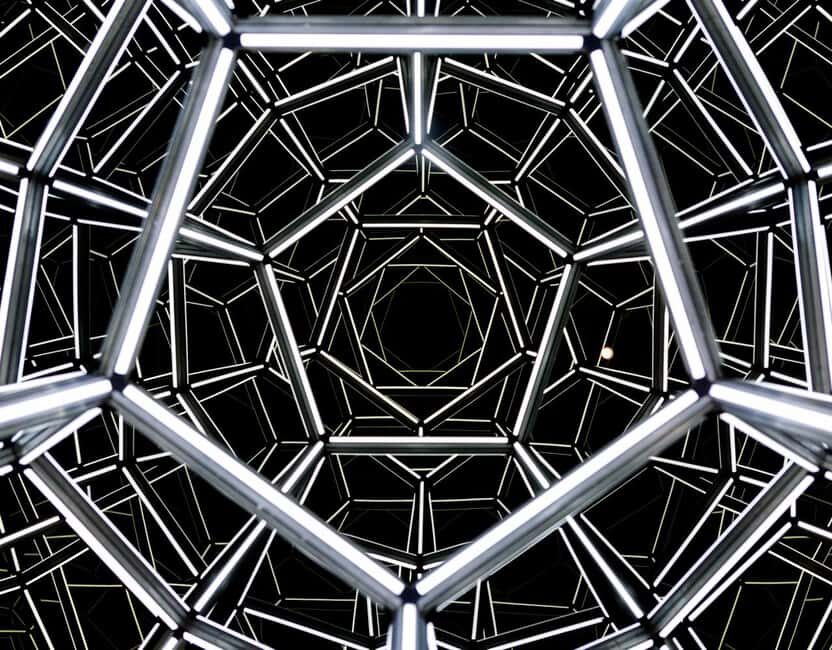
Holograms are the headline for a reason. One of the biggest reasons I think this ticket is worth your time is that holograms are hard to fake and hard to explain—you have to see them in person to understand the effect.
When you spot the hologram-focused displays, slow down. Look from slightly different angles and give your eyes time to adjust. Many people rush through this kind of installation, but the illusion often feels stronger when you take a second look instead of charging onward.
If you’re the type who likes “wow” moments with a tech feel, this is the room to prioritize. Even if other exhibits leave you less impressed, this hologram part is the best bet for a high-impact experience.
Hands-On Rooms: Gravity, Scale, Mirrors, and Perspective Tricks
This museum doesn’t do quiet. The whole point is to make you react—move, look closer, and test what you think you’re seeing.
Here are some of the featured tricks you should plan to spend real time with:
- Gravity-defying water: there’s a room where water flows uphill. Watch for the little cues your brain expects, then enjoy how the setup breaks those expectations.
- Growing or shrinking friends: you can get your photo or viewpoint altered so people appear to change size right in front of you. This is fun for couples and groups because it looks believable and silly at the same time.
- A maze of mirrors: the mirror setup targets your sense of depth and direction. If you move your body a little while you look, you’ll start noticing the pattern behind the confusion.
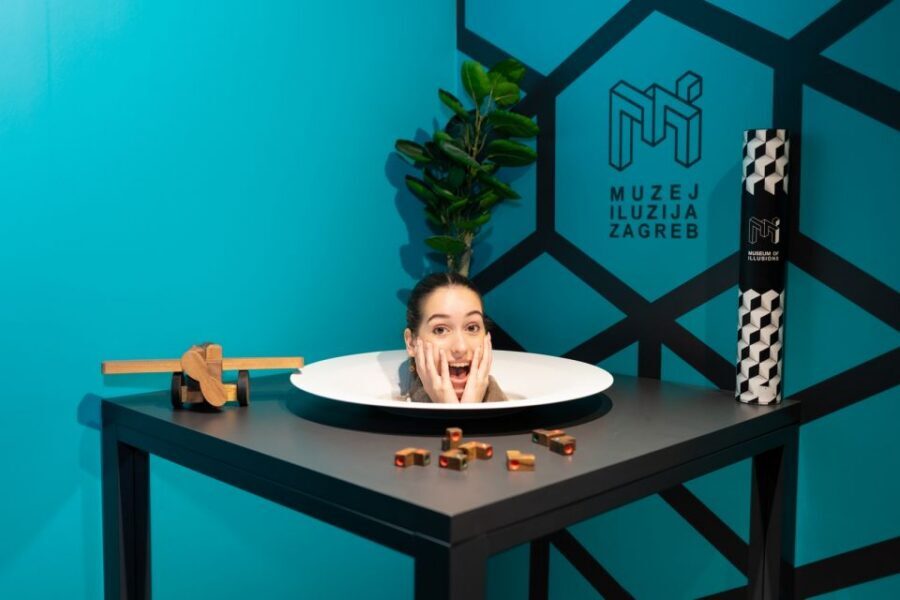
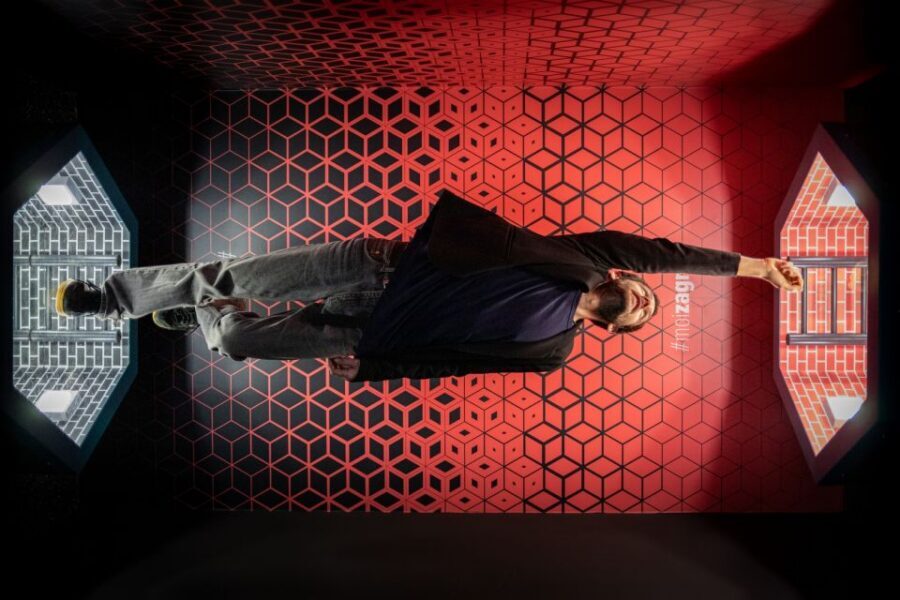
There are also more theatrical moments. You can see an installation where someone is served on a tray, and there are setups where you can position yourself to climb up onto the ceiling. Those scenes are peak “try it yourself” territory—read the room, follow the visual cues, and you’ll get the effect immediately.
The Rotated Room Photo Moment (Bring Your Camera)
Plan for at least one “I can’t believe that worked” photo. The museum specifically highlights a photo opportunity in the Rotated Room, where you take a picture after finishing the illusion.
This is why I recommend bringing a camera. Phone cameras usually work fine, but you’ll want a steady hand and a little patience as you frame your shot. Rotate, test angles, then lock it in.
If you’re visiting with friends, treat this as your main meet-up moment. It gives everyone something shared to do, and it turns the visit into a set of results you can actually take home, not just memories.
Playroom Breaks: Games, Puzzles, and Learning Without Lectures

Not every illusion is purely visual. The museum includes a playroom with educational games and puzzles, and it helps reset your brain after the more intense optical setups.
This part is especially useful if you’re traveling with kids, but it also works well for adults who like experiments. Games and puzzles tend to keep you engaged even if your feet get tired from walking room to room.
Think of the playroom as the museum’s soft landing. You still get interaction, but in a calmer, more playful way than the mirror-heavy and perspective-based rooms.
A few more Zagreb tours and experiences worth a look






How to Handle the Layout: Crowds, Flow, and When to Move On
The museum experience is flexible, which is good. You can spend as long as you want at each installation. But that same freedom can feel messy when the museum gets busy.
Here’s how to manage it:
- Start with the rooms that feel most “scripted” to you (like the hologram area), since those usually draw attention fast.
- When you hit a popular illusion, pause for a quick test photo, then step back to let others cycle through.
- If you notice repetition, treat it like a choose-your-own-adventure. Pick the rooms that grab you, and skip what isn’t holding your attention.
One more practical tip: if you’re sensitive to crowds or you don’t like waiting your turn for photo spots, aim for a time when you can take your pace seriously. You’ll get more out of the illusions when you aren’t shoulder-to-shoulder.
Price and Value: What $14 Buys You in Real Terms

At about $14 per person, you’re paying for a one-day ticket to access entrance-only admission. The value comes from how many exhibits you can try in a single visit—over 70—and the fact that the museum includes a major hologram installation.
This isn’t a museum where you’ll feel satisfied after seeing one or two rooms. It’s built for repeat looking. You test an illusion, reset your expectations, and then move to the next one.
That said, you should also calibrate your expectations. Some people can find portions of the experience repetitive, especially if you’re comparing every room to a “best of” hologram moment. If your goal is a massive, deeply historical museum, this may feel small. If your goal is interactive fun, visual science, and photo moments, the ticket price makes sense.
Also worth noting: the museum provides captions in English, German, Italian, and Croatian, which helps you get more meaning from the installations if you read the labels.
Practical Details Before You Go
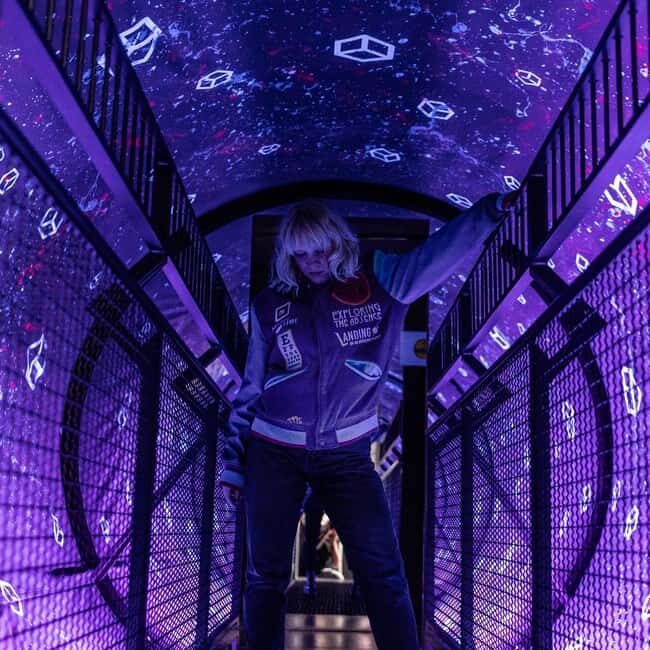
You’ll show your voucher at the museum’s main entrance. The staff is described as having an English and Croatian-speaking host or greeter, which is handy if you have questions on arrival.
Bring a camera. You can photograph the illusions, and the museum clearly encourages photos through specific photo-worthy spaces like the Rotated Room.
A few rules to keep your visit smooth:
- No pets
- No food and drinks
- Service animals are permitted
Accessibility and Comfort: A Quick Reality Check
This museum isn’t listed as suitable for wheelchair users. If you rely on a wheelchair or mobility device, you’ll want to plan an alternative attraction in Zagreb, because this experience is built around getting around rooms and interacting with installations.
Comfort-wise, plan on standing and walking. Even though the ticket is “one day,” you’ll likely want a relaxed pace with breaks, especially if you’re stopping for photos often.
Who Should Book This Museum in Zagreb?
This is a strong match if you want an indoor activity that’s:
- interactive instead of sit-and-read
- fun for friends (especially for group photos)
- educational without turning into a lecture
- heavy on optical tricks that keep you entertained longer than you expect
It’s also a good fit on days with rain or cold, since it doesn’t depend on outdoor sightseeing.
If you’re the type who only likes extremely quiet, traditional museums, you might find the play-first design less appealing. But if you like experimenting with your own perception, you’ll probably leave with at least a few photos and a changed sense of how sight works.
Should You Book the Zagreb Museum of Illusions?
I’d book it if you’re excited by visual puzzles, scale-bending tricks, mirror confusion, and holograms. At $14 for a 70+ exhibit indoor experience, it’s good value when you want fun with a science angle—and especially good if you prioritize photo-ready rooms like the Rotated Room.
Skip it or reconsider if you strongly prefer large museums or very structured exhibits. If you need a calm, guided flow with minimal crowd interaction, the museum’s free-form experience might feel chaotic at peak times.
As a final nudge: it has an overall rating of 4/5 based on 261 ratings, which usually signals a steady level of satisfaction. For most people, that translates to a visit that’s more entertaining than intimidating.
FAQ
How much is the entrance ticket for Zagreb’s Museum of Illusions?
The ticket price is listed as $14 per person.
How long is the Museum of Illusions visit?
The activity is described as lasting 1 day.
What’s included with the ticket?
Your ticket includes entrance to the museum.
Where do I go to enter?
Show your voucher at the museum’s main entrance.
What should I bring?
Bring a camera.
What items are not allowed inside?
Pets and food and drinks are not allowed.
Is the museum wheelchair accessible?
No, it is not suitable for wheelchair users.
What languages are available on-site?
Captions are available in English, German, Italian, and Croatian, and the host or greeter speaks English and Croatian.