REVIEW · ZAGREB
Discover Zagreb Tour
Book on GetYourGuide →Operated by Štiklec · Bookable on GetYourGuide
Zagreb has better stories than you expect. In just 2 hours, this walk gives you a local guide who explains how the city grew, and it pairs those big landmarks with the real-life buzz of Dolac Market. I like that it doesn’t feel like a museum tour; it feels like someone showing you where Zagreb’s identity still shows up in daily routines.
One thing to factor in: some stops can be limited. Grič Tunnel may not be visited during special events, and the Uspinjača funicular is noted as not working during comprehensive renovation, so you’ll get the context even if you can’t ride it.
In This Review
- Key Highlights You’ll Actually Feel
- Where the Tour Starts: Manduševac Fountain at Ban Josip Jelačić Square
- Cathedral of Zagreb: Seeing Power and Faith Side by Side
- Dolac Market: Why This Stops Matter More Than a Photo Stop
- Tkalčića Street: The Street Where Zagreb Walks Like a Local
- Krvavi Most Street: When a Name Gets Your Attention
- Upper Town and Stone Gate Legends: Symbols You Can Stand Next to
- St Mark’s Square and Lotrščak Tower: The Daily Moment You Can Time
- Uspinjača Funicular and Grič Tunnel: Stories With Real-World Access Limits
- Ending Back at Ban Josip Jelačić Square: Turn the Walk Into a Real Plan
- Price and Value: Is $23 for 2 Hours a Good Deal?
- Should You Book the Discover Zagreb Tour?
- FAQ
- Where do I meet the tour?
- How long is the tour?
- Is the tour in English?
- Is food included?
- Will I visit Grič Tunnel?
- Is the tour wheelchair accessible?
Key Highlights You’ll Actually Feel
- Start at Manduševac fountain: easy to find, perfect for getting your bearings fast.
- Dolac Market is your culture shortcut: you’ll learn what people eat and why the market matters.
- Old Town streets with names that mean something: Tkalčića Street and Krvavi Most bring Zagreb to life.
- Stone Gate and St Mark’s Square explain the city’s symbols: not just photos, but why locals care.
- Lotrščak Tower’s cannon firing gives you a built-in moment: a daily reminder that the past still makes noise.
- Tunnel and funicular stories come with real-world caveats: you’ll learn the legends even when access changes.
Where the Tour Starts: Manduševac Fountain at Ban Josip Jelačić Square
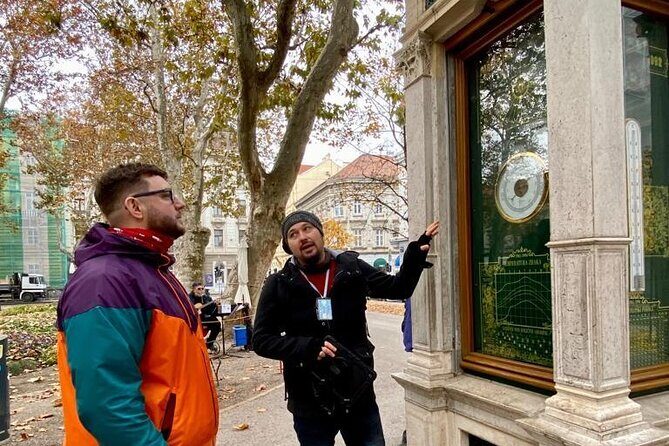
I love a tour that begins with a landmark you can locate in seconds, and this one starts right by the Manduševac fountain on Ban Josip Jelačić Square. You’ll be looking for a sign that says Discover Zagreb Tour, which keeps things simple when you’re juggling maps, weather, and jet lag.
From there, the route makes a lot of sense: you ease into Zagreb’s center first, then gradually work your way through the historic core. It’s a practical way to learn how the city is laid out, especially if you only have a day or two.
Tip: bring comfortable shoes. This is a walking tour with hills in play, and your feet will thank you later.
If you're still narrowing it down, here are other tours in Zagreb we've reviewed.


Cathedral of Zagreb: Seeing Power and Faith Side by Side
Next up is the Cathedral of Zagreb. This stop matters because it’s not just a pretty building to pass by. Your guide ties it to the city’s development, showing how major institutions helped shape what Zagreb became and how people still experience that history today.
The tone here is the same throughout the tour: you’re not stuck with dates and dry facts. You’re given context, then encouraged to connect the dots as you move to the next neighborhood.
One nice bonus from the guides who have led this tour (like Ivana and Antonia, based on actual tour experiences) is that they tend to answer questions in a way that feels personal, not robotic. If you’re the type who always asks why something is built where it is, you’ll fit in well.
Dolac Market: Why This Stops Matter More Than a Photo Stop
If Zagreb has a “go see this now” experience, it’s Dolac Market. This is where the tour turns from monuments to daily life. You’ll learn why the market is important, and you’ll get a chance to understand Zagreb/Croatian cuisine through what’s sold and how the market works.
I like this stop because it’s useful even after the tour ends. Once you understand what locals actually buy, menus make more sense. It’s easier to order without guessing, and you’ll know what to look for when you’re hungry later.
Food and drinks are not included, so don’t expect a tasting. But you can treat this as your planning moment: decide what you want to hunt for at a restaurant, a bakery, or a casual spot afterward.
Tkalčića Street: The Street Where Zagreb Walks Like a Local
After Dolac, the tour heads to Ivana Street Tkalčića, a lively Old Town area tied to everyday Zagreb. Here the guide keeps the story grounded: this isn’t only about what’s old, it’s about where people still hang out.
This is a good part of the walk to pause mentally. You’ll start seeing patterns: historic areas that still function as social spaces. That’s one of the best ways to understand a city that hasn’t turned its center into a theme park.
If it’s raining or cold, this stretch can still work because the buildings and street corners give you lots to watch while you listen. Just keep your coat handy.
Krvavi Most Street: When a Name Gets Your Attention
Next is Krvavi Most Street (Bloody Bridge). Street names like this usually sound dramatic at first, but the real value is what your guide connects it to—why the name matters in local memory and city storytelling.
I like stops like this because they train your eye. After hearing the context, you’ll notice details you would’ve walked past on your own. It turns a bridge and a street into something you can actually explain to a friend.


Upper Town and Stone Gate Legends: Symbols You Can Stand Next to
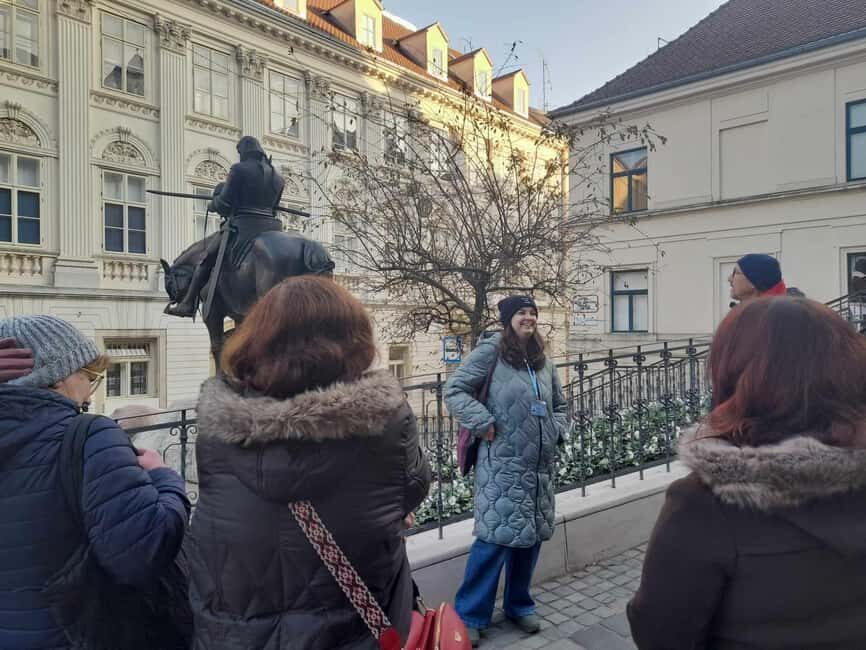
The tour moves into the Upper Town area and includes Stone Gate. Your guide talks about legends tied to the gate and why it remains important for people.
This is one of those moments where you get a two-for-one: you see a key Old Town structure, and you learn the cultural meaning behind it. Once you know the story, the gate doesn’t feel random. It feels like a checkpoint in the city’s identity.
You’ll also start to understand the uphill layout of Zagreb: how the city’s growth shaped where people built power, worship, and street life. The tour doesn’t lecture about geography—it uses landmarks so the explanation clicks.
St Mark’s Square and Lotrščak Tower: The Daily Moment You Can Time
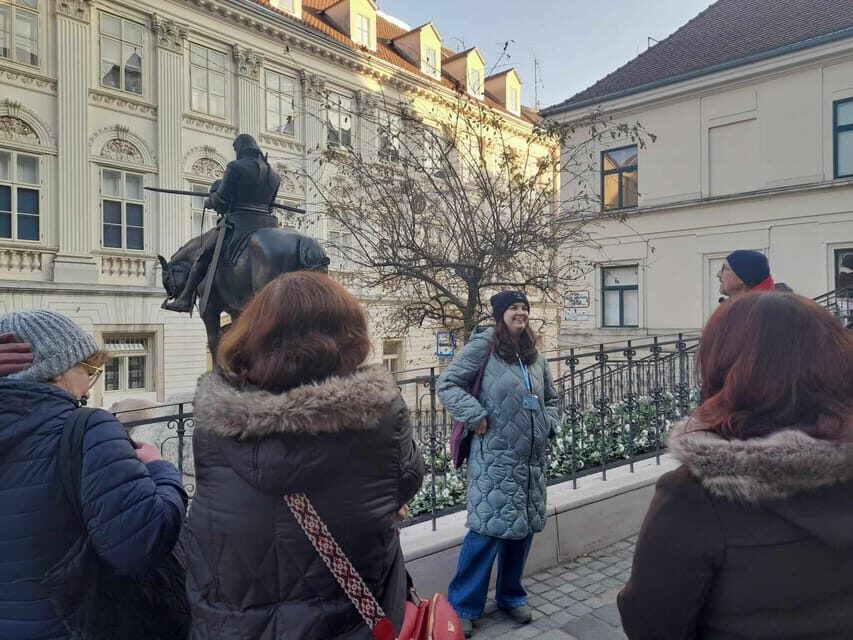
Then you reach St Mark’s Square, often described as the main square of Croatia. Your guide connects it to national symbolism, which helps you understand why it’s such a focal point, not just a postcard stop.
From there, the walk goes to Lotrščak Tower. Here’s a detail you’ll remember: the cannon fires every day. Even if you don’t catch it at the exact moment, the guide’s explanation makes the tower feel less like an isolated view platform and more like a living tradition.
Practical note: if you’re the kind of person who loves timing, ask your guide how to watch for it when you arrive. This is one of those “single-stop payoff” moments.
Uspinjača Funicular and Grič Tunnel: Stories With Real-World Access Limits
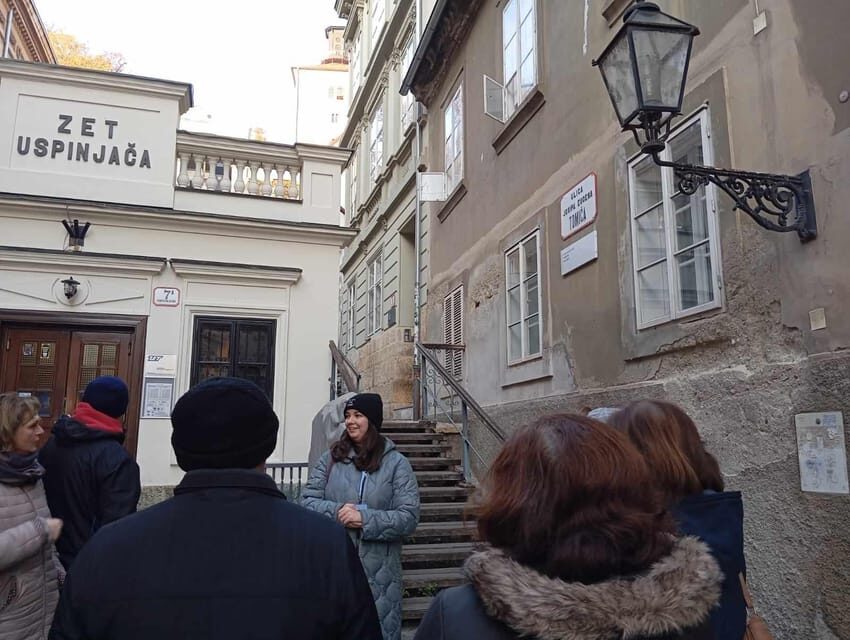
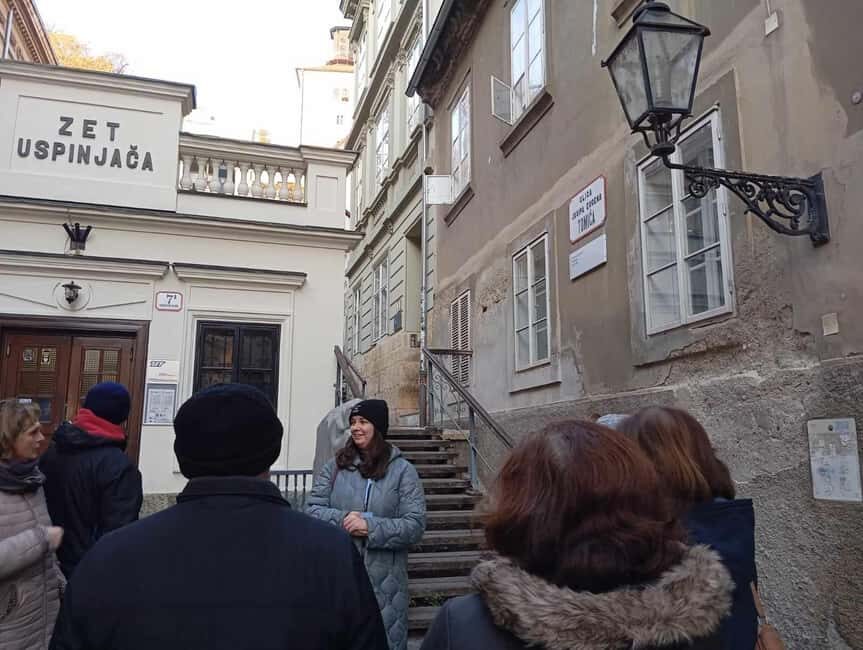
Next is Uspinjača, the short funicular that’s part of Zagreb’s identity. The tour notes that during comprehensive renovation, the funicular is not working. That means you should treat this as a story stop: you’ll learn why it’s significant, not necessarily ride it.
Then comes Grič Tunnel. Important detail: the tour says the tunnel visit is not included during special events in the tunnel. So depending on the day, you might get the explanation and nearby context even if you don’t go inside.
I actually think that transparency helps your planning. You can still enjoy the tour for what it is: a guided walk through the city’s key layers of history, including underground connections and how Zagreb thinks about movement and tradition.
Tip: bring water and pace yourself. Even if you’re young and fit, underground explanations plus Old Town stairs can add up faster than you expect in mid-walk.
Ending Back at Ban Josip Jelačić Square: Turn the Walk Into a Real Plan
You finish where you started: Ban Josip Jelačić Square. That closing loop is practical. It makes it easier to head to your next stop without feeling lost.
More importantly, this tour gives you a framework for the rest of your time. After learning legends and symbols at Stone Gate and St Mark’s Square, you’ll know what to prioritize if you only have one more trip into the Old Town. And after Dolac Market, you’ll have a much clearer idea of what to order and where to go for a relaxed meal.
If your guide offers recommendations (and many do, including advice on places for brunch or beer), jot them down before you head out. It’s one of the best ways to get extra value from the two hours you pay for.
Price and Value: Is $23 for 2 Hours a Good Deal?
At $23 per person for a 2-hour English walking tour, the value mostly comes from two things: the licensed local guide and the fact that you’re guided through multiple key areas instead of jumping around on your own.
This isn’t priced like a full-day private experience. It’s more like paying for speed with context. You buy the guide’s storytelling so you don’t waste time trying to figure out which legend matters, or which square and street names actually connect to city identity.
Also, a walking route tends to beat a hop-on hop-off bus in a simple way: you get close to the places that buses can’t reach. If your goal is to feel oriented and informed quickly, this pricing makes sense.
Who this suits best: first-time visitors who want a strong introduction to Zagreb’s Old Town without over-planning, and people who like history told through stories rather than timelines.
Who should skip it: anyone who can’t handle walking or doesn’t meet the tour’s physical demands. The tour is not suitable for people with mobility impairments and wheelchair users.
Should You Book the Discover Zagreb Tour?
If you want a fast, friendly way to understand Zagreb, I’d book it. It’s built for people who enjoy walking, asking questions, and learning why places matter to locals—not just where to take photos.
Book it especially if:
- you have limited time and want a structured overview in 2 hours
- you care about legends and culture as much as the sights
- you like getting practical food and area recommendations from a live guide
Skip or adjust your expectations if:
- you’re hoping for guaranteed tunnel access, since Grič Tunnel may be affected during special events
- you’re planning around the Uspinjača funicular ride, since it may not be operating during renovation
FAQ
Where do I meet the tour?
You meet next to the Manduševac fountain on Ban Josip Jelačić Square. Your guide will have a Discover Zagreb Tour sign.
How long is the tour?
The tour lasts about 2 hours.
Is the tour in English?
Yes, the live tour guide provides the tour in English.
Is food included?
No. Food and drinks are not included.
Will I visit Grič Tunnel?
Grič Tunnel is part of the tour, but the visit is not included during special events in the tunnel.
Is the tour wheelchair accessible?
No. It is not suitable for wheelchair users or people with mobility impairments.