REVIEW · ZAGREB
Zagreb: Chocolate Museum Entry Ticket
Book on GetYourGuide →Operated by Chocolate Museum Zagreb · Bookable on GetYourGuide
Chocolate with a history lesson beats a typical museum. The Chocolate Museum Zagreb turns history of chocolate into something you can do, not just read, with hands-on cocoa grinding and bilingual exhibits.
You’ll get the best payoff from the nine chocolate tastings and the fun themed selfie scenes (rainforest, royal court, and a Willy Wonka-style factory set). One caution: this is a compact museum, usually 45 minutes to about an hour, so you’ll want to actually look around and read a bit to feel you got your money’s worth.
Guided tours are available in Croatian, English, and German, but they’re not part of the basic admission. The good news is that the exhibits themselves are in Croatian and English, so you can go at your own pace.
In This Review
- Key highlights you can plan around
- Where the Chocolate Museum Zagreb starts (Gundulićeva 26)
- Ticket value: what $16 really buys you
- What to expect inside: a story you can touch
- Chocolate history rooms: from ancient use to modern bars
- Hands-on cocoa: grinding beans and making historical-style drinks
- The nine-chocolate tasting: your mini course in flavor
- Photo stops you’ll actually want to use: rainforest, royal court, factory
- Guided tours: when it’s worth adding one
- The Chocolate Boutique: where your visit can turn into a gift
- How long you need: timing that keeps you relaxed
- Who should book this ticket (and who might skip)
- Practical notes that help your visit go smoothly
- Should you book this Chocolate Museum Zagreb ticket?
- FAQ
- Where is the meeting point for the Chocolate Museum Zagreb?
- How much does the entry ticket cost?
- How long does the museum visit usually take?
- What is included with basic admission?
- Are guided tours included in the ticket price?
- Are the exhibits available in English?
- Can I buy chocolates at the boutique without admission?
- What’s the last time I can enter the museum?
Key highlights you can plan around
- Nine chocolate tastings included, so you don’t leave wondering what you just learned
- Metate-style cocoa grinding plus hands-on historical food-making moments
- Selfie backdrops in the mystical rainforest, baroque royal court, and magical factory themes
- Bilingual exhibits in Croatian and English, with optional guided tours in Croatian/English/German
- The Chocolate Boutique for Croatian artisan chocolates and pralines, open even without admission
- Wheelchair accessible entry and museum visit options
Where the Chocolate Museum Zagreb starts (Gundulićeva 26)
I like that the meeting point is easy to spot: the building with the glass facade in the atrium at Gundulićeva 26. It matters because chocolate museums can be quick hits. If you arrive confident, you waste less time figuring out where you are and more time enjoying what’s inside.
This is also the kind of stop that works well when you’re doing central Zagreb on foot. You’re not committing to a half-day hike or a long commute. You’re buying a ticket for a tight, story-and-taste experience in one place, then moving on with your day.
Other Nikola Tesla & specialty museum tickets and tours in Zagreb

Ticket value: what $16 really buys you
The entry price is $16 per person, and here’s the honest way to judge the value: a big chunk of what you pay for is not just “rooms to look at.” You also get a tasting of nine different types of chocolate, plus interactive displays. The museum is designed so you’re repeatedly switching modes: read, watch or try, taste, take a photo, then shop.
If you’ve ever done a museum where the best part is a gift shop, this usually feels more balanced. The included tasting helps you connect the history to actual flavor. And since the Chocolate Boutique is accessible without admission, you can keep exploring after the museum without buying another ticket.
One more value point: there’s a decent chance you’ll want longer than you planned, because the visit length depends on how much you choose to read and engage. Typically it lands around 45 minutes to one hour. That’s short enough to fit almost any day, but long enough to feel complete if you pace yourself.
What to expect inside: a story you can touch
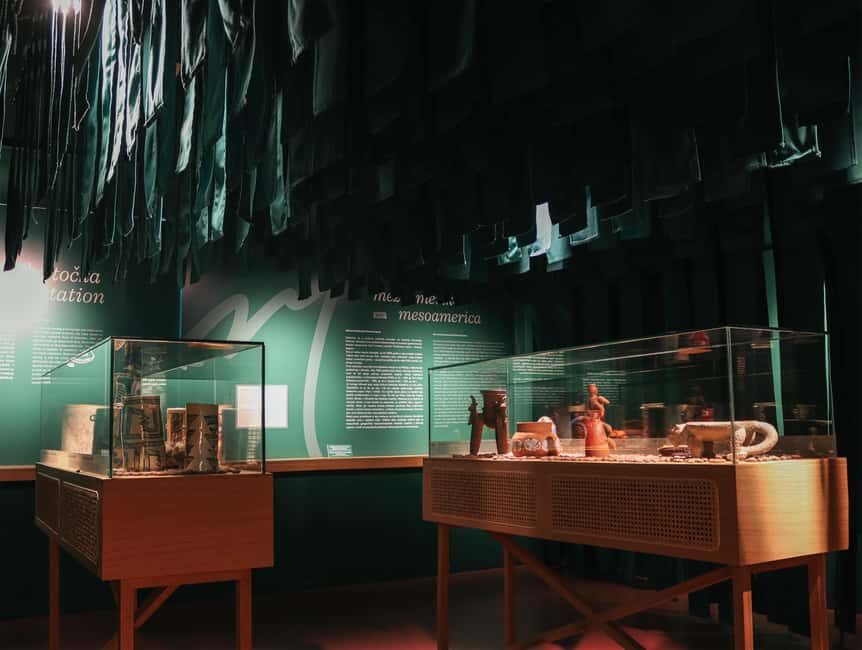
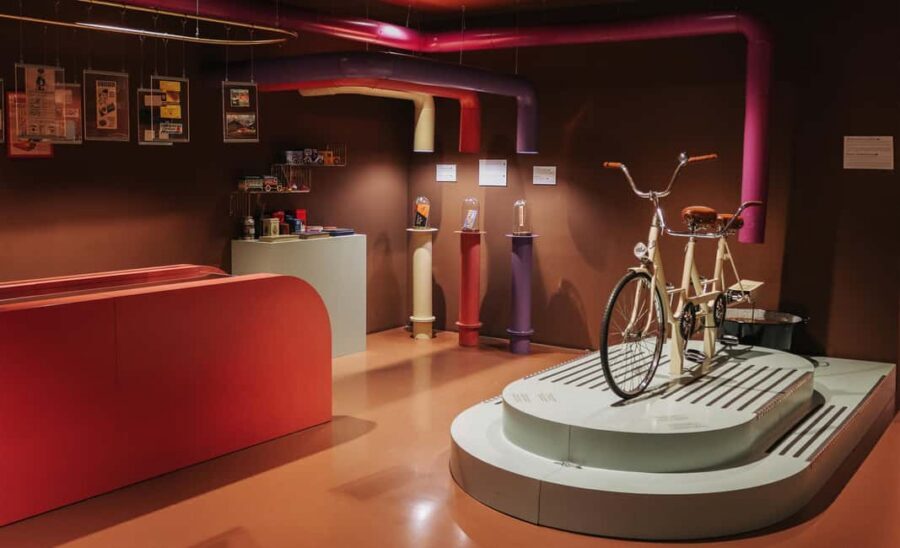
The museum’s big theme is simple: chocolate has a past, and that past shaped production techniques and tastes. You’ll see the story stretch back to ancient indigenous tribes of South and Mesoamerica, including how people used cocoa in ways that aren’t just candy-making.
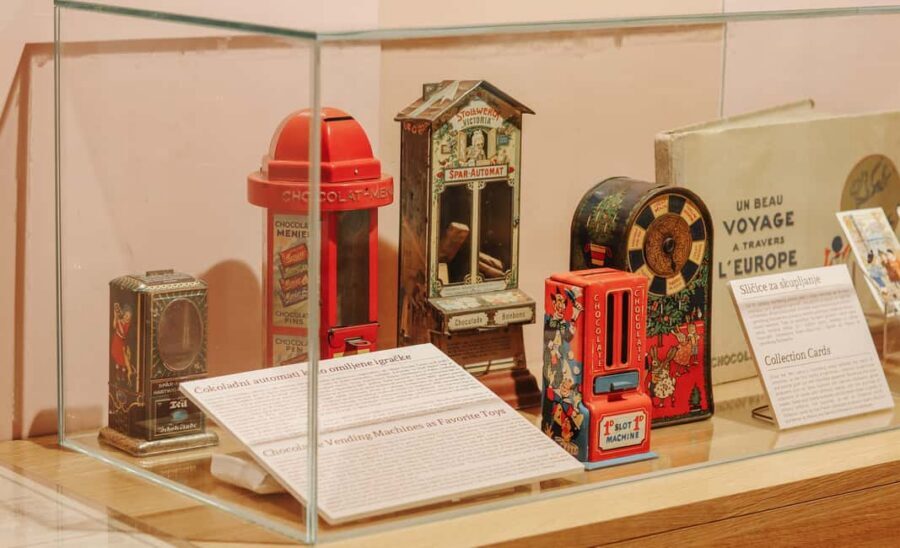
A lot of the exhibits are meant to move from idea to action. You’re not stuck staring at glass cases the whole time. Expect interactive moments where you can physically try things like grinding cocoa beans.
The tone is playful too. Some rooms are built for photos, which is fun, but it also helps you remember what you just learned. You leave with both knowledge and a few very “how did they make this room” pictures.
Chocolate history rooms: from ancient use to modern bars
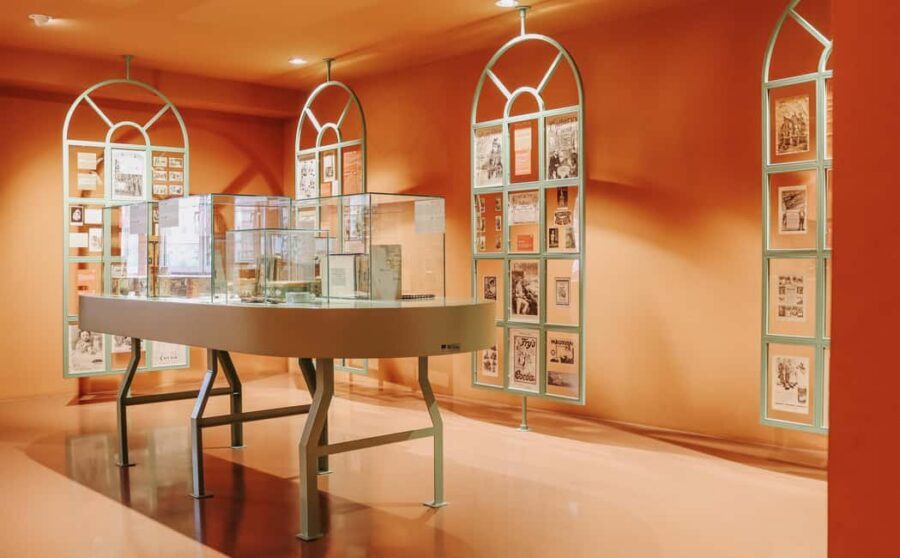
I like the way the museum frames chocolate as a long human story, not a one-page fun fact. The exhibit takes you backward to when cocoa mattered for culture and daily life across Mesoamerica. Then it connects those earlier methods to what chocolate production looks like now.
This matters for you if you like context. Tasting is more fun when you know what you’re tasting. Instead of eating chocolate and trying to guess the percentage on the back of a bar, you get the framework for why different chocolates taste different.
And yes, the museum gives you time to read. All exhibits are in Croatian and English, so you can choose your level of attention. If you read casually, the visit stays quick. If you read thoroughly, it stretches toward the full hour.
Hands-on cocoa: grinding beans and making historical-style drinks
This is one of the standout areas because it turns history into a physical experience. You can try grinding cocoa beans using a metate, a style associated with Aztec practices. There’s something satisfying about the effort: it turns cocoa from a product you buy into something you understand as an ingredient with a process.
You may also encounter the idea of making a foamy chocolate drink inspired by Mayan traditions. Even if you don’t get technical details about every step, the point is clear: early chocolate preparation wasn’t about convenience. It was about craft and method.
For families, this section often becomes the favorite because kids (and adults) get to do something instead of only looking. For couples or friends, it’s a fun shared activity that breaks up a day of sightseeing.
A few more Zagreb tours and experiences worth a look






The nine-chocolate tasting: your mini course in flavor
The included tasting is where you’ll feel the ticket pay off. You’re given a sample box with nine different types of chocolate, and that’s enough variety to notice patterns without turning it into a sugar marathon.
Here’s how to make your tasting more useful:
- Take one quick smell before your first bite. Cocoa aromas shift a lot across styles.
- Compare textures as much as flavors. Some chocolates feel more crisp; others feel softer or creamier.
- After each bite, ask yourself what changed: sweetness level, cocoa intensity, or any added notes.
If you’re the kind of person who likes to connect taste to story, you’ll get extra satisfaction here because the museum’s whole point is that chocolate is a process, not just a dessert.
The average rating is strong, and one of the most consistent compliments is that people learn alongside tasting. For example, Ljiljana from Germany described being able to sample different chocolates and learn a lot, including that the cocoa beans feel special once you understand them. That’s exactly what this tasting is built to do.
Photo stops you’ll actually want to use: rainforest, royal court, factory
The museum gives you several themed backdrops for selfies. You can take photos in a mystical rainforest, a baroque royal court, or the magical chocolate factory concept (with a Willy Wonka vibe).
These sets are not just for social media. They help you shift moods and remember the narrative. Each area is a different way of presenting chocolate culture—nature, power, fantasy production—so the museum doesn’t become monotonous.
Practical tip: if you care more about photos than reading, you might finish faster than you planned. That’s the tradeoff. The best balance is to do one photo per theme, then circle back to read the nearby explanations so you’re not leaving with mostly pictures and less meaning.
Guided tours: when it’s worth adding one
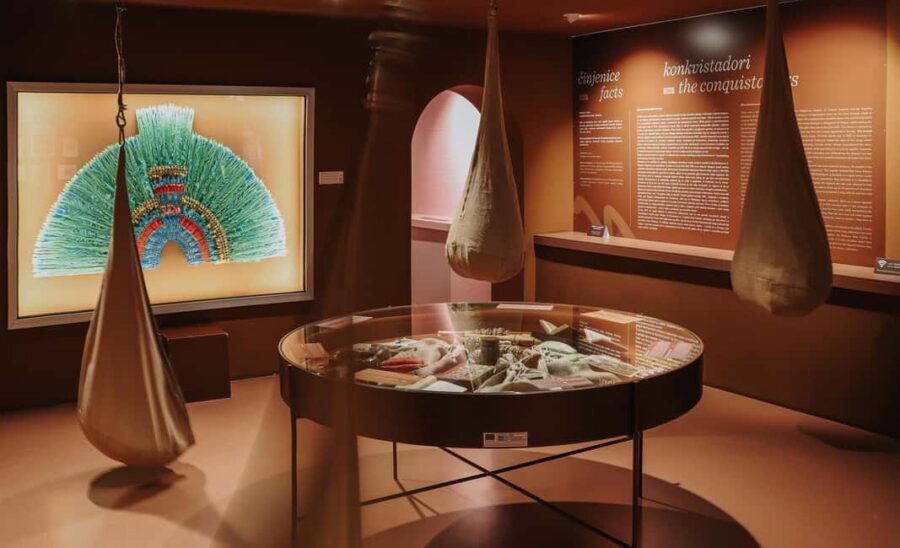
Basic admission lets you explore the exhibits, and that includes the tasting and interactive elements. Guided tours are available in Croatian, English, and German, but they’re not included with the base ticket.
Should you add a guided tour? I’d consider it if you:
- want a tighter explanation of the history and production process
- prefer a smoother visit plan instead of reading everything yourself
- are traveling with someone who learns best from a live guide
It’s also a smart choice if you’re short on time and want the highlights covered efficiently. The museum visit length can vary depending on how much you engage, so guidance can help you get the most from your hour.
The Chocolate Boutique: where your visit can turn into a gift
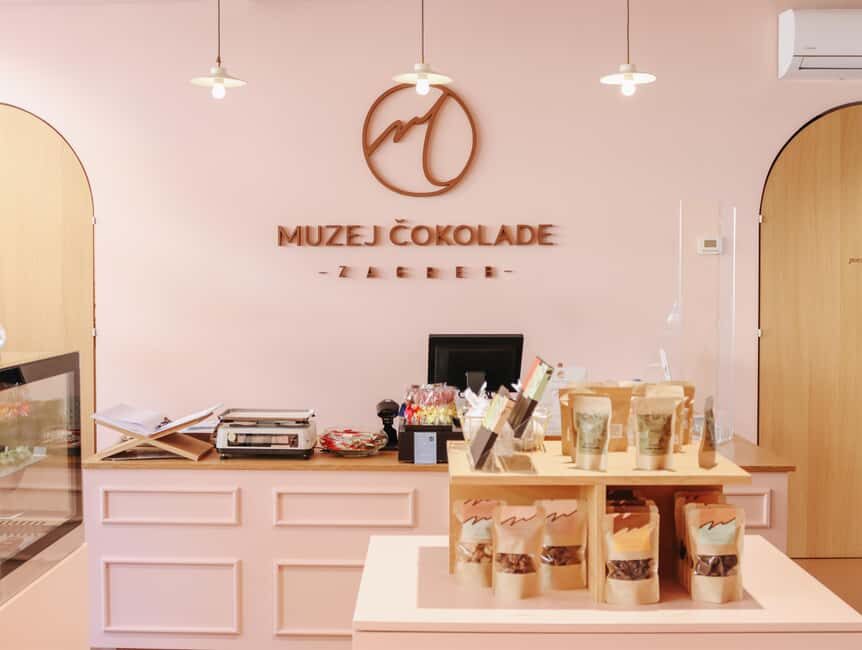
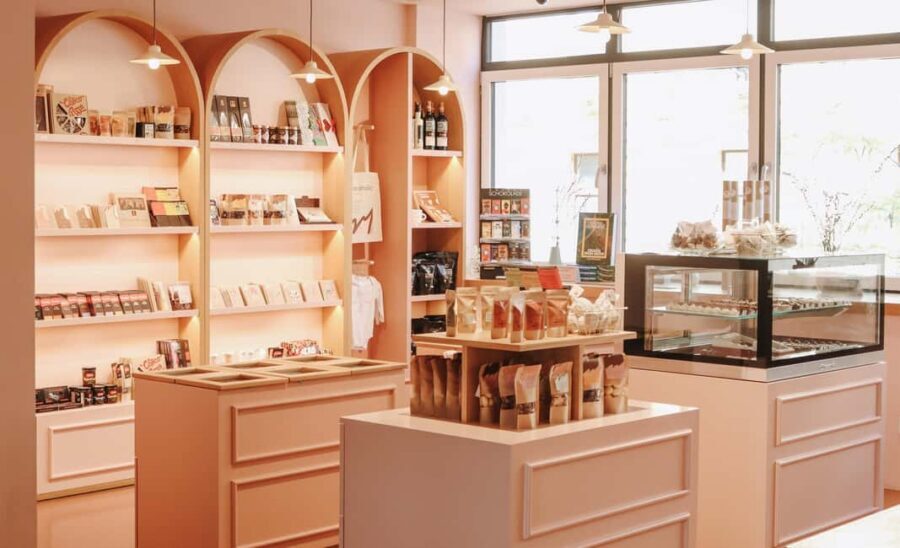
After (or even during) your museum time, don’t miss the Chocolate Boutique. It’s the only chocolate boutique in the city, featuring Croatian artisan chocolates and pralines.
Here’s the key practical advantage: the boutique is accessible without purchasing admission. That means you can shop even if you decide you want a shorter museum visit than planned, or if you’re splitting time with someone who’s more into shopping than exhibits.
This works well for real travel behavior: try the tasting inside, then buy what you liked. You’ll have a mental label for the flavors you enjoyed, which makes shopping feel less random.
How long you need: timing that keeps you relaxed
Typical time through the museum is 45 minutes to one hour, depending on how much you read and engage. You can treat it like a planned stop rather than a “maybe we’ll see it” detour.
Also note the admission rule: last admission is one hour before closing. If you arrive late in the day, you might not have time for the full experience without rushing the tasting and photos.
If you’re trying to fit this into a packed Zagreb itinerary, aim to schedule it when you have enough energy to read. It’s not heavy, but the museum’s value comes from connecting the story to what you taste.
Who should book this ticket (and who might skip)
This is a strong fit if you want:
- a small museum experience that mixes story, hands-on activities, and tasting
- a fun outing for families or friends that doesn’t require a long attention span
- a couple-friendly date idea with built-in photo moments and a shared snack payoff
- bilingual exhibits in Croatian and English, so you’re not stuck hunting for translation
It might be less satisfying if you go in expecting a huge production facility or a major spectacle every step of the way. One review felt the museum wasn’t worth it and didn’t have enough standout sights. That kind of mismatch usually happens when a person reads very little or expects more show-and-tell than interactive story rooms.
My practical advice: go in with a curious mindset. If you treat the visit like a short education followed by tasting, you’ll likely feel it’s worth the price.
Practical notes that help your visit go smoothly
- Exhibits language: Croatian and English throughout.
- Guided tours: Croatian, English, German, arranged separately and not included in basic admission.
- Photo mindset: pick one or two photo moments per theme so you don’t lose time reading.
- Wheelchair accessible: the visit works for wheelchair access.
- Meeting point: glass facade building in the atrium at Gundulićeva 26.
Should you book this Chocolate Museum Zagreb ticket?
Yes, I’d book it if you want a short, high-reward stop where history connects directly to taste. The included nine chocolate tastings plus the interactive cocoa-grinding moments make it more than a stroll through themed rooms. And the fact that the boutique is open without admission is a nice bonus for anyone who likes to bring something home.
I’d hesitate only if you’re the type who skims explanations and wants long, “wow” displays to look at constantly. This place gives you the best result when you read a bit and let the tasting do some of the learning for you.
FAQ
Where is the meeting point for the Chocolate Museum Zagreb?
The meeting point is the building with the glass facade in the atrium of Gundulićeva 26.
How much does the entry ticket cost?
The price is $16 per person.
How long does the museum visit usually take?
A typical visit is between 45 minutes and one hour, depending on how much you choose to read and engage.
What is included with basic admission?
Basic admission includes entry to the museum, a tasting of nine types of chocolate, selfie opportunities in themed settings, and interactive exhibits (including cocoa bean grinding).
Are guided tours included in the ticket price?
No. Guided tours are not included in basic admission. They can be arranged at specific timings through direct contact with the museum.
Are the exhibits available in English?
Yes. The exhibits are available in Croatian and English.
Can I buy chocolates at the boutique without admission?
Yes. The Chocolate Boutique is accessible without the purchase of admission.
What’s the last time I can enter the museum?
Last admission is one hour before closing.